


Mar 27, 2026
.webp "Small Molecules vs Biologics Molecular Structure Visualization")
The pharmaceutical industry develops therapies using a variety of molecular approaches. Two of the most prominent categories are small molecule drugs and biologics, each offering unique advantages depending on the disease target and treatment strategy.
Small molecules have historically dominated pharmaceutical development because of their well-established chemistry and scalable manufacturing processes. At the same time, biologics like monoclonal antibodies have transformed treatment options for diseases that were previously difficult to target.
Understanding how these modalities differ can help sponsors determine the most appropriate development strategy and identify the capabilities needed from a CDMO partner.
Small molecule drugs are low-molecular-weight compounds typically produced through chemical synthesis. Because of their small size and defined structure, they can often enter cells easily and interact with specific biological targets, such as enzymes or receptors.
Many widely used medicines are based on small molecule drug development, including therapies for cardiovascular disease, infections, and cancer. Their relatively straightforward chemical structures also support scalable manufacturing and well-established regulatory pathways, making them a common starting point for many drug development programs.
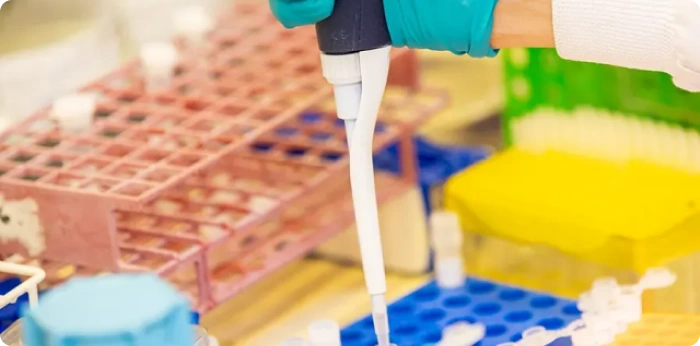
Unlike small molecule drugs, biologics are large, complex molecules produced using living cells. These therapies are typically derived from biological systems such as bacteria, yeast, or mammalian cell cultures and include products like monoclonal antibodies, vaccines, and antibody-drug conjugates (ADCs).
Because of their size and structural complexity, biologics require specialized manufacturing processes involving cell line development, bioreactors, and advanced purification technologies. As a result, biologics development often involves different technical challenges and infrastructure compared with small molecule drug development.
Both small molecules and biologics follow the same general regulatory pathway from discovery through clinical trials and commercialization. Key stages typically include:
While the regulatory framework is similar, the scientific and manufacturing approaches differ significantly. Small molecule development focuses on chemical synthesis and process chemistry optimization, while biologics development relies on cell-based production systems and complex purification processes.
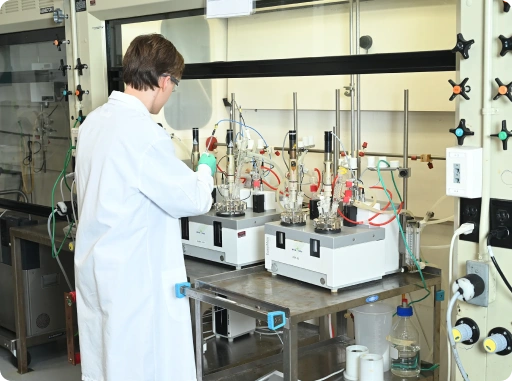
CDMO partners play an important role in supporting pharmaceutical companies throughout the drug development process. Many sponsors rely on CDMOs for process development, scale-up manufacturing, and specialized infrastructure that may not exist internally.
In small molecule drug development, this often includes synthetic route optimization, analytical method development, and the production of clinical trial materials.
For biologic therapies, CDMOs may support activities such as cell line development, upstream and downstream processing, purification, and specialized analytical testing required for complex biomolecules.
By providing scientific expertise and manufacturing capabilities across different therapeutic modalities, experienced CDMO companies can help streamline development timelines while maintaining regulatory compliance and product quality.
Regardless of molecule type, strong quality systems are essential. Process validation confirms that manufacturing processes consistently produce products meeting defined quality standards.
Quality assurance programs ensure that materials, manufacturing operations, and testing procedures follow established regulatory requirements throughout the drug development lifecycle.
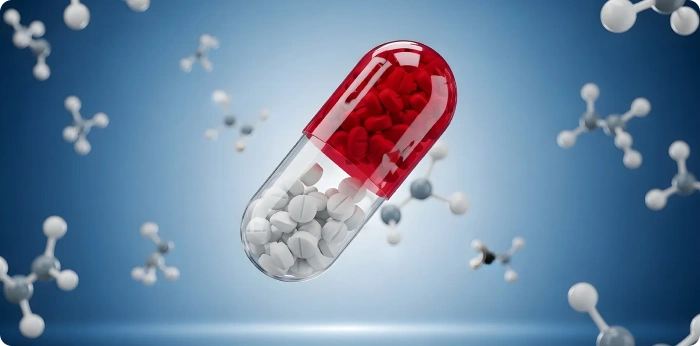
Both small molecules and biologics continue to play important roles in modern therapeutics. While biologics have gained significant attention for their ability to target complex disease pathways, small molecule drugs still account for a large share of global pharmaceutical approvals.
Current trends include more complex molecular designs, improved synthetic chemistry techniques, and increased collaboration between pharmaceutical companies and CDMO partners to accelerate development timelines. In some cases, emerging modalities such as antibody-drug conjugates combine elements of both biologics and small molecule technologies.

Small molecule drugs are chemically synthesized compounds with relatively low molecular weight, while biologics are larger, more complex therapies produced using living cells.
A CDMO provides expertise in manufacturing, process optimization, and scale-up during drug discovery and development.
Sponsors choose between small molecules and biologics based on disease target, mechanism of action, and desired delivery method.
The following Piramal sites support small molecule and biologic drug development and manufacturing: