


Mar 13, 2026
.webp "Drug Development Journey – Five Phases from Discovery to Approval")
Bringing a new therapy to market is a complex, multi-year process that requires scientific rigor, regulatory alignment, and strategic collaboration. From early integrated drug discovery efforts to commercial drug product manufacturing, each phase of development builds on the previous one. Understanding this journey helps pharmaceutical innovators make informed decisions, manage risk, and accelerate timelines with the right partner.
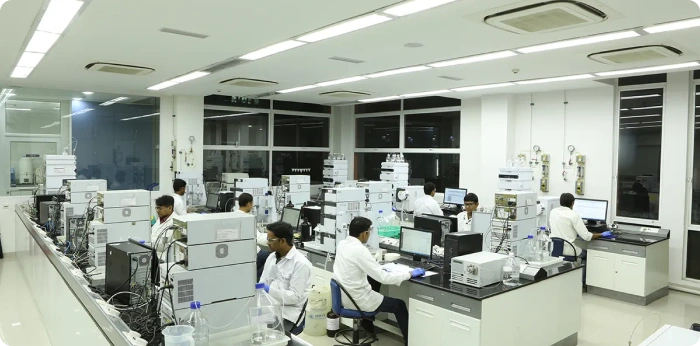
The drug development journey begins with target identification, molecule screening, and optimization. During this stage, drug design development teams evaluate biological pathways and refine compounds with the highest therapeutic potential.
An effective drug discovery service offering integrates biology, chemistry, and data modeling to improve candidate selection. Preclinical studies then assess safety, pharmacokinetics, and efficacy in laboratory and animal models. This foundational work determines whether a molecule is ready to advance into human trials.
Phase I trials mark the first time a drug is tested in humans. Conducted in small groups of volunteers or patients, these studies focus on safety, dosage ranges, and pharmacological effects.
At this stage, scalable manufacturing processes begin to take shape. Collaboration with an experienced CDMO drug development partner ensures that clinical trial materials are produced consistently and meet regulatory standards.

Phase II trials evaluate the drug's efficacy among a slightly larger patient population while continuing to monitor safety. Researchers use this data to refine dosing regimens and determine therapeutic benefits.
Manufacturing processes often require optimization during this phase. Strong CDMO pharma solutions support smooth scale-up while maintaining quality and compliance across clinical supply chains.
Phase III trials involve very large patient populations across multiple sites and are designed to confirm efficacy, monitor side effects, and compare the new therapy to existing standards of care.
At this point, manufacturing must be fully scalable and reproducible. Reliable process validation, quality systems, and supply planning are essential to ensure readiness for commercial launch.
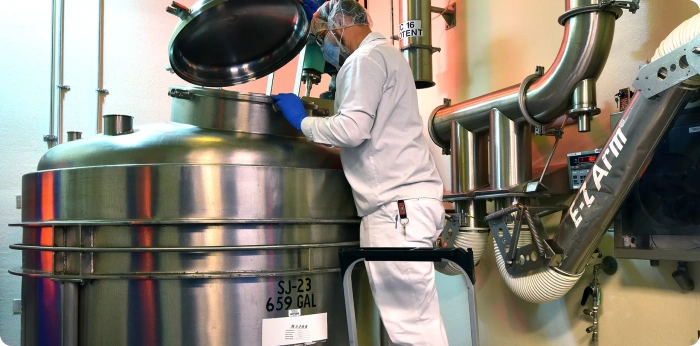
Following successful Phase III results, regulatory submissions are made to agencies for review and approval. Detailed documentation of safety, efficacy, and manufacturing controls is required.
Once approved, commercial drug product manufacturing begins, and post-marketing surveillance continues to monitor long-term safety and performance. Ongoing lifecycle management, supply reliability, and quality oversight remain critical.
Navigating all five phases requires integrated capabilities and experienced partners. At Piramal Pharma Solutions, we provide end-to-end CDMO drug development support, spanning from early integrated drug discovery and process development through commercial drug product manufacturing. Our comprehensive CMDO pharma solutions are designed to streamline development, reduce risk, and help sponsors advance therapies efficiently from concept to market.

The drug development process typically takes anywhere from 10 to 15 years, depending on complexity, clinical outcomes, and regulatory review timelines.
Integrated drug discovery is important because it improves coordination between research disciplines, increasing the likelihood of identifying viable candidates and reducing early-stage attrition.
Experienced CDMO partners support drug development by offering technical expertise, specialized capabilities, and regulatory assistance, helping sponsors accelerate timelines and maintain quality.
All Piramal sites support the drug development journey.