


Feb 20, 2026
-1.webp "API Manufacturing Facility with Advanced Process Controls")
Pharmaceutical manufacturing has become significantly more complex over the past decade. As pipelines shift toward highly potent molecules, specialized delivery formats, and accelerated development timelines, traditional in-house manufacturing models are under increasing strain. For many organizations, maintaining facilities that can support high potency APIs, sterile injectables manufacturing, and oral solid dosage manufacturing across clinical and commercial stages is no longer practical or strategic. As a result, collaboration with experienced CDMO pharma partners has become a core component of modern drug development strategies.
Large pharmaceutical companies once depended on internal infrastructure to control quality, timelines, and costs. Today, that model restricts flexibility. Building and running specialized drug substance and drug product facilities requires significant capital, ongoing regulatory oversight, and technical expertise. Outsourcing reduces fixed costs, avoids capacity issues, and allows companies to adapt as programs evolve. This focus lets internal resources address discovery and strategy, leaving execution to CDMOs.
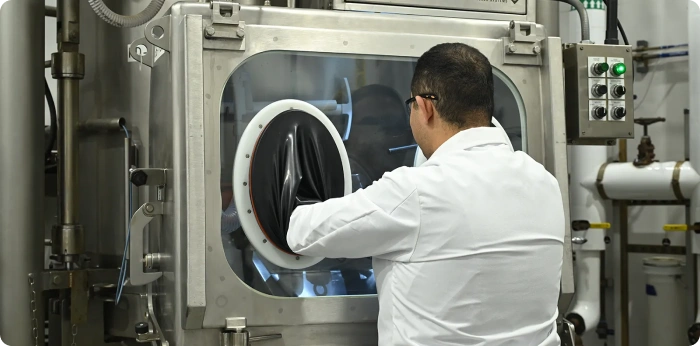
CDMOs are no longer just vendors – they are strategic partners embedded in integrated drug development and manufacturing. By supporting everything from early process development to commercial supply, CDMOs help sponsors reduce handoffs and manage risk. This is especially valuable for complex molecules, where development decisions affect manufacturability and supply reliability.
One of the primary reasons companies turn to CDMOs is access to specialized capabilities that would be difficult to replicate internally. These include containment systems for high potency APIs, advanced aseptic processing for sterile injectables manufacturing, and flexible platforms for oral solid dosage manufacturing. CDMOs invest continuously in technology, infrastructure, and regulatory expertise to support diverse molecule types and dosage forms. For pharma sponsors, this means faster access to capabilities that are already validated and inspection-ready.
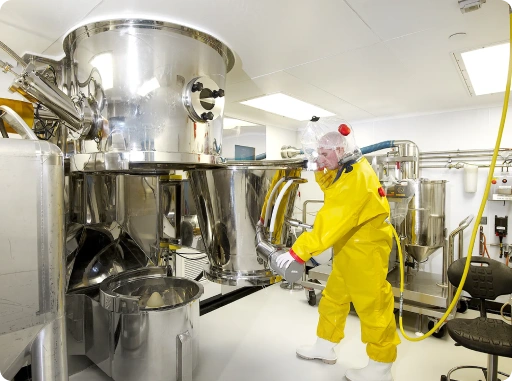
Speed matters especially as development timelines compress and competition intensifies. CDMOs are structured to support rapid scale-up from clinical to commercial volumes without disrupting supply. Established technology transfer processes, global manufacturing footprints, and proven regulatory track records allow sponsors to move efficiently through development milestones. This scalability is particularly critical for programs that must pivot quickly in response to clinical outcomes or market demand.
Selecting a CDMO goes beyond capacity and cost. Companies should assess technical strength, experience with similar molecules, regulatory history, and integrated support through the product lifecycle. Good communication, transparent governance, and cultural fit are essential. The right partner enhances resilience and supports long-term success.

CDMOs provide specialized capabilities, flexibility, and scalability without the high fixed costs of maintaining in-house facilities.
Yes. Many CDMO companies are designed to support programs from early clinical development through full commercial supply.
Key capabilities may include expertise in drug substance and drug product development and manufacturing, high potency APIs, sterile injectables manufacturing, oral solid dosage manufacturing, and regulatory compliance.