


Mar 20, 2026
.webp "cGMP Compliance in Pharma Manufacturing Facility")
In the pharmaceutical industry, maintaining consistent product quality and safety is essential. This is why cGMP, or current Good Manufacturing Practice, plays such a central role in pharmaceutical manufacturing.
These regulatory guidelines ensure that medicines are produced under controlled conditions that protect patients and maintain product integrity throughout development and manufacturing.
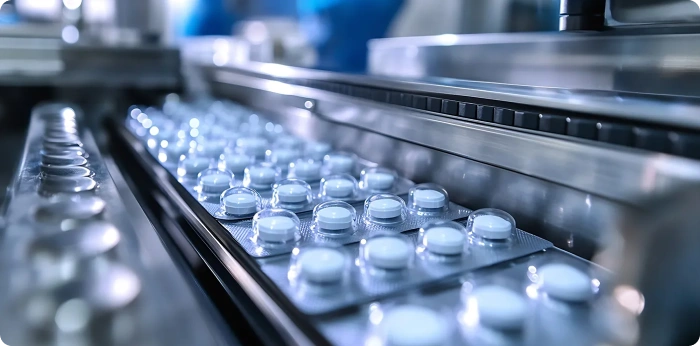
While manufacturing processes receive significant attention, pharmaceutical packaging is also subject to strict cGMP manufacturing requirements.
Packaging operations must ensure that medicines are properly labeled, protected from contamination, and traceable throughout the supply chain. cGMP controls help prevent mix-ups, labeling errors, and product degradation during storage or distribution.
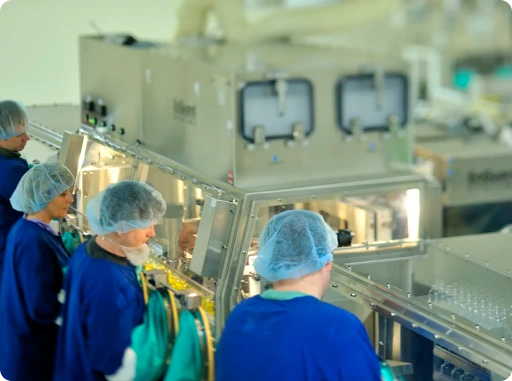
cGMP principles extend beyond manufacturing and influence many aspects of drug development. They require development laboratories to document procedures, validate analytical methods, and maintain traceable records throughout the development lifecycle.
For many pharmaceutical sponsors, working with CDMO companies helps ensure that development programs meet established regulatory expectations from early development through commercial production.
A key element of cGMP manufacturing is process validation. This process demonstrates that a manufacturing system consistently produces products meeting predefined quality specifications.
Process validation typically includes:
These steps ensure that medicines remain consistent across production batches.
Standard operating procedures (SOPs) are essential documentation tools that define how processes must be performed. SOPs help maintain consistency, ensure regulatory compliance, and provide clear instructions for personnel across manufacturing operations.
In regulated pharmaceutical environments, SOPs govern everything from equipment operation to quality testing and documentation practices.
Facilities that demonstrate adherence to regulatory standards may receive cGMP certification or regulatory approval from health authorities.
This certification signals that a manufacturing facility follows recognized quality practices, which is critical for companies seeking to supply medicines across global markets.
Maintaining strong cGMP practices is fundamental for pharmaceutical and biotech companies. From drug development and manufacturing to pharmaceutical packaging, these guidelines ensure consistent quality, regulatory compliance, and patient safety.
For sponsors working with CDMO companies, partnering with organizations that maintain robust cGMP manufacturing systems helps ensure efficient development programs and reliable product supply.

cGMP stands for Current Good Manufacturing Practice, a set of regulations that ensure medicines are consistently produced and controlled in accordance with quality standards.
Process validation ensures that manufacturing processes consistently produce products meeting quality specifications.
Standard operating procedures (SOPs) provide detailed instructions that ensure consistency, safety, and regulatory compliance.
The following Piramal sites support cGMP development and manufacturing: