


May 21, 2026
.png "HPAPI Processing and Manufacturing Facility")
The increasing focus on targeted therapies has driven significant growth in HPAPI manufacturing. These compounds are designed to be highly active at very low doses, making them powerful therapeutic tools in areas like oncology, but also introducing substantial complexity in handling and production.
As a result, HPAPI processing has become one of the most technically demanding areas in pharmaceutical manufacturing. For pharma leaders, understanding the requirements for safe, scalable, and compliant HPAPI manufacturing is essential to bringing these therapies to market successfully.
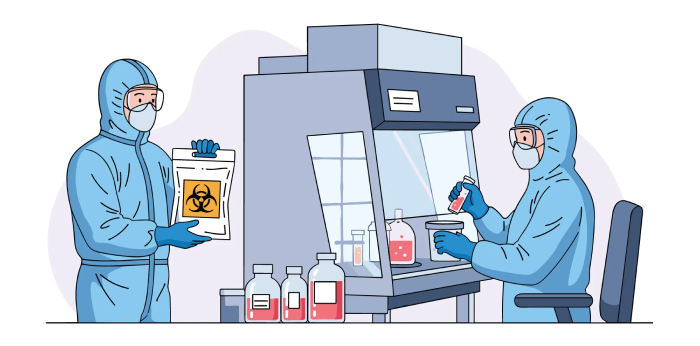
HPAPI processing involves the development and manufacture of compounds with high biological potency, often requiring only microgram-level doses. While this potency enables targeted therapeutic effects, it also poses risks of operator exposure and cross-contamination.
Unlike in traditional API manufacturing, potent API manufacturing must incorporate specialized containment strategies and highly controlled environments. This ensures both product integrity and the safety of personnel involved in production.
Successful HPAPI manufacturing begins with thoughtful process design. Synthetic routes should aim to minimize handling of potent intermediates while also maintaining efficiency and yield.
For certain molecules, including peptide API products, techniques such as solid phase peptide synthesis may be used to improve control and scalability. Regardless of the approach, robust impurity control and reproducibility are critical to meeting quality expectations.
Containment is the cornerstone of HPAPI manufacturing. Facilities must be designed with engineering controls like isolators, gloveboxes, and closed systems to prevent exposure.
Airflow control, pressure differentials, and high-efficiency filtration systems further ensure that potent compounds remain contained. These measures are essential not only for worker safety but also for preventing cross-contamination between products.
Compliance with GMP manufacturing standards is non-negotiable in HPAPI processing. Regulatory authorities require clear evidence that processes are controlled, validated, and reproducible.
This includes environmental monitoring, cleaning validation, and detailed documentation of all operations. As potency increases, so does the expectation for precision in both manufacturing and analytical control.
Advances in containment technology, automation, and analytical methods are improving efficiency in potent API manufacturing. Single-use systems, improved isolator designs, and real-time monitoring tools are reducing risk while enhancing flexibility.
These innovations are particularly valuable as pipelines include more complex and highly potent molecules.
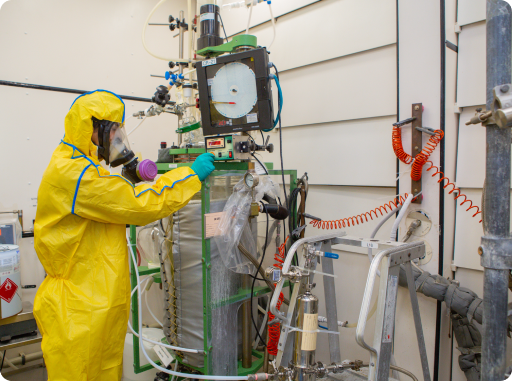
Given the specialized nature of HPAPI manufacturing, many companies rely on experienced partners. CDMOs provide the infrastructure, expertise, and regulatory knowledge required to manage complex HPAPI processing projects.
By supporting development, scale-up, and commercial production, CDMOs enable sponsors to focus on innovation while ensuring safe and compliant manufacturing.
As demand for targeted therapies continues to rise, HPAPI processing will remain a critical capability in the pharmaceutical industry. Companies that invest in the right technologies and the right partners will be better positioned to navigate complexity and deliver high-quality, life-changing treatments.

HPAPI processing refers to the manufacturing of highly potent active pharmaceutical ingredients under strict containment conditions.
Containment is critical to HPAPI manufacturing because it protects workers and prevents cross-contamination during production.
CDMOs support HPAPI manufacturing by providing specialized facilities, expertise, and scalable solutions for safe production.
The following Piramal facilities support HPAPI development and manufacturing: