


Mar 25, 2026
.webp "HPAPI Containment Glovebox System in Pharmaceutical Manufacturing")
Highly potent active pharmaceutical ingredients (HPAPIs) continue to represent one of the fastest-growing segments of the pharmaceutical industry, driven largely by an increasing focus on targeted therapeutics like antibody-drug conjugates (ADCs).
As pipelines evolve toward more targeted therapies, robust containment and technical expertise become essential capabilities in this space.
Manufacturing HPAPIs requires more than standard small-molecule capabilities. Organizations must be prepared to handle highly potent compounds safely through appropriate facilities, procedures, controls, and in-house expertise.
Pharma companies often depend on CDMO partners with both the infrastructure and experience to bring these therapies to market safely. Integrated CDMOs like Piramal Pharma Solutions leverage global facilities to handle containment across the entire drug life cycle, from early development to commercial-scale manufacturing.

One of the most critical aspects of HPAPI manufacturing is correctly determining the compound's potency category and associated containment requirements.
The process typically begins with collaboration among toxicology, safety, and engineering teams to define the occupational exposure limit (OEL), or the maximum allowable concentration of a compound in air to ensure employee safety.
When formal OELs are unavailable, occupational exposure bands (OEBs) are used to categorize compounds and determine appropriate containment methodologies and personal protective equipment. However, there is no single industry-standard banding system. Different companies may define bands differently, making careful evaluation essential.
Some organizations may classify Band 4 compounds as “highly potent,” while others reserve HPAPI terminology for Band 5 and above. As ADC payloads increasingly fall below 100 µg/m³ OEL thresholds, Band 6 containment is becoming more common across the industry.
The key takeaway: band numbers alone are not sufficient. Containment strategies must be precisely aligned with the compound's defined OEL range.
Once banding is determined, containment strategies must be implemented at multiple levels.
At the facility level, appropriate HVAC systems, airflow design, and pressure differentials are required to ensure potent compounds remain within designated areas.
At the equipment level, airlocks for rooms and laboratories help control the movement of materials and personnel. Recent advances in containment technologies, such as isolators, gloveboxes, and closed systems, have significantly improved safe handling. These technologies minimize operator exposure and environmental risk while enabling efficient manufacturing.
Engineering controls must also extend beyond physical infrastructure. Program-level elements — including process safety protocols, training programs, medical surveillance, industrial hygiene, toxicology assessment, and environmental monitoring — are equally critical.
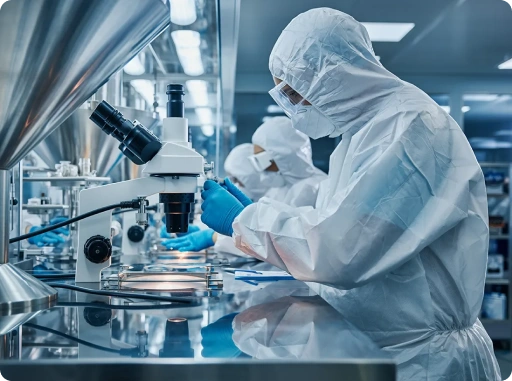
HPAPIs in early development present additional challenges due to limited toxicological data.
Historically, API development followed a more sequential model, with smaller quantities produced early on. Today, accelerated timelines require larger quantities of less-characterized molecules earlier in development. As a result, many preclinical compounds are conservatively classified within OEB 4 by default until additional data become available.
This shift underscores the need for facilities capable of handling higher-band compounds even during early development phases.
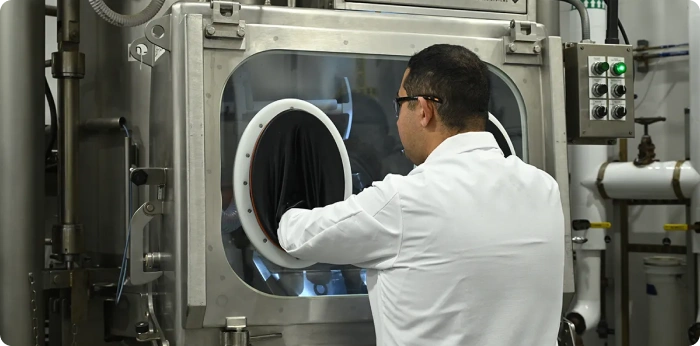
Even with appropriate engineering controls in place, containment performance must be verified.
Manufacturers typically conduct internal testing using detectable placebo compounds under conditions that mimic actual manufacturing operations. Sampling may occur on personnel, within rooms, in airlocks, or in adjacent clean areas to determine whether compound migration occurs beyond containment boundaries. Detected levels must remain below established standards for the assigned OEL band.
As OEL thresholds decrease, analytical monitoring capabilities become increasingly important. Sensitive analytical technologies are required to quantify extremely low exposure levels and to support carry-over calculations between processes.
Regulatory authorities are also placing greater emphasis on demonstrating containment efficiency and preventing cross-contamination between HPAPIs and between HPAPIs and non-HPAPI products manufactured within the same facility.
HPAPI manufacturing requires a combination of infrastructure, expertise, and regulatory experience. When evaluating an outsourcing partner, pharmaceutical companies should assess:
As pipelines continue to shift toward more targeted, high-potency therapies, well-contained chemistry is no longer optional. It is a foundational requirement for safe, scalable, and compliant manufacturing.

HPAPIs are highly potent active pharmaceutical ingredients. Proper HPAPI containment is critical because it protects workers, prevents cross-contamination, and ensures compliance.
CDMOs use advanced containment systems, such as isolators, glove boxes, and HVAC controls, along with trained staff, safety protocols, and monitoring, to safely manage potent compounds from development through commercial production.
A dependable CDMO partner for HPAPIs will have validated containment experience, seasoned personnel, and a track record of regulatory compliance.
The following Piramal sites support HPAPI development and manufacturing: