


Jan 23, 2026
.png "Solid Phase Peptide Synthesis for Peptide API Manufacturing")
Peptides play a significant role in therapeutics, diagnostics, and research, making efficient, scalable production a key priority for biotech and pharmaceutical companies. Understanding how and why certain manufacturing methods dominate is essential for evaluating custom peptide synthesis services or peptide contract manufacturing. Among available techniques, Solid Phase Peptide Synthesis (SPPS) is the industry standard for modern peptide API manufacturing.
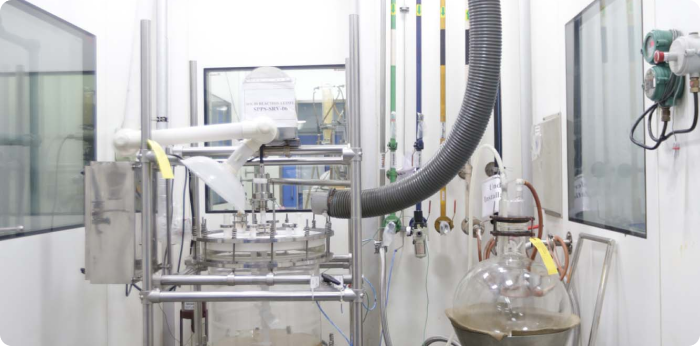
Solid Phase Peptide Synthesis (SPPS) is a stepwise method in which the growing peptide chain remains attached to a solid resin. Since its development in the 1960s, SPPS has simplified purification and enabled automation. Today, it is the most commonly used approach for synthesizing short- and medium-length peptides with high purity and efficiency.
SPPS is often compared to solution-phase synthesis, but its solid-phase approach offers advantages in speed, scalability, and process control, making it the preferred method for pharmaceutical peptide development.
SPPS is technically complex, but its workflow is straightforward:
This process also supports automation, further increasing reproducibility and manufacturing throughput.
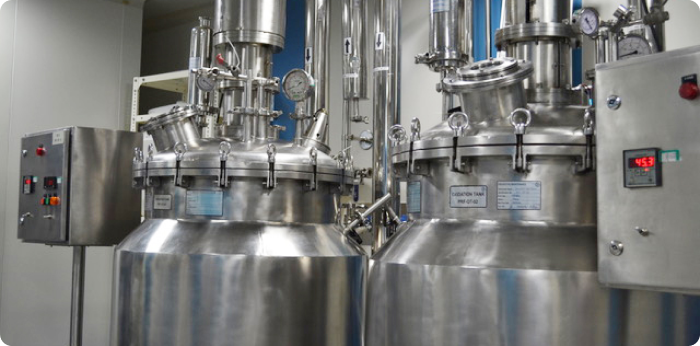
SPPS is widely used across multiple segments of healthcare and life sciences:
Key benefits that make SPPS the preferred approach include:
Compared with solution-phase peptide synthesis, SPPS is typically more efficient for chains of ~50 or fewer amino acids and offers superior process control.
In pharmaceutical development, SPPS plays a central role in enabling reliable, scalable, and compliant peptide API manufacturing. Modern peptide contract manufacturing organizations rely on SPPS because it supports:
Partnering with a CDMO that offers robust SPPS capabilities ensures a seamless transition from early custom peptide synthesis services to clinical and commercial API supply.

SPPS is a method where peptides are built step-by-step on a solid resin support. This makes peptide synthesis faster, cleaner, and easier to automate.
SPPS is the preferred method for custom peptide synthesis because it offers high purity, rapid turnaround, and compatibility with many modifications, making it ideal for research and early-stage drug development.
SPPS enables scalable, reproducible production of GMP-grade peptides. It also allows precise control over sequence and quality, which is essential for therapeutic APIs.