


Mar 06, 2026
-1.webp "drug-substance-vs-drug-product-comparison")
In pharmaceutical development, the terms drug substance and drug product represent two distinct and critical stages involved in bringing a therapy to market. Understanding the differences between them is essential for sponsors navigating small molecule API development, biologics programs, or specialized formats like sterile injectables. Each plays a unique role in the journey from laboratory discovery to patient delivery.
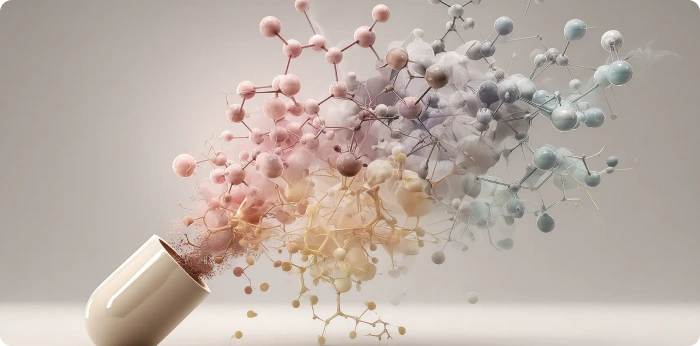
A drug substance is the active pharmaceutical ingredient (API) that produces the intended therapeutic effect. It is the chemically or biologically active component responsible for treating, preventing, or diagnosing disease.
Drug substances may include small molecules developed through small molecule API development, complex biologics supported by CDMO biologics capabilities, or specialized molecules, such as peptide APIs. At this stage, development focuses on synthesis, purification, characterization, and stability of the active ingredient before it is formulated into a finished dosage form.

A drug product is the finished dosage form that contains the drug substance, excipients, and delivery components. It is the final product administered to patients.
Examples include tablets produced through oral solid dosage manufacturing, injectable formulations, like sterile injectables, and biologic drug products requiring advanced fill-finish capabilities. Drug product development emphasizes formulation, delivery, packaging, and patient usability while maintaining stability and efficacy of the drug substance.
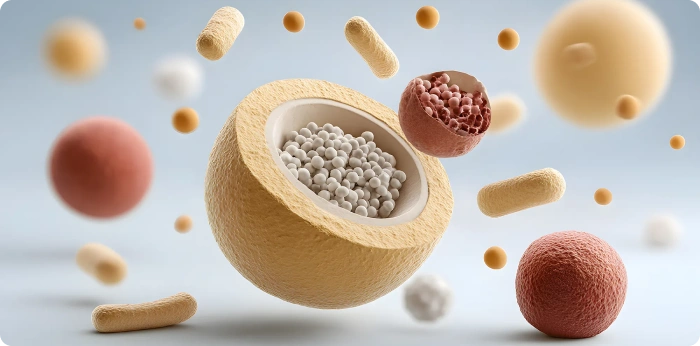
The primary difference lies in function and stage of development:
Drug substance development focuses on chemical or biological synthesis, scalability, and purity. Drug product development centers on formulation science, delivery mechanisms, and manufacturability.
Both require specialized infrastructure, but capabilities differ. For example, producing a peptide API requires deep synthetic expertise, while sterile injectable manufacturing requires advanced fill/finish technologies.
Drug substances are developed during early research and scaled during clinical trials. As programs advance, the drug product is optimized for stability, dosing, and patient compliance.
Strategic decisions — such as evaluating CDMO vs. CRO partnerships — often arise during this transition. While CROs typically support early research activities, CDMOs provide integrated development and manufacturing services across clinical and commercial phases.
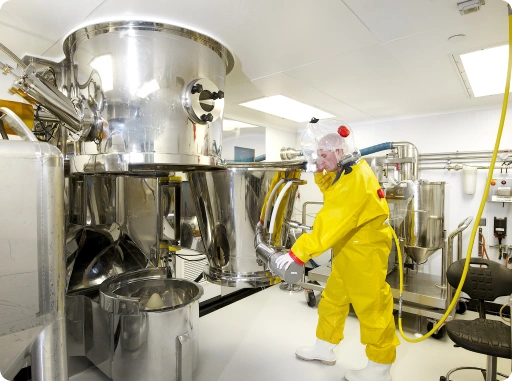
Both drug substance and drug product manufacturing must meet strict regulatory standards. Drug substance production requires validated processes, impurity control, and documented scalability. Drug product manufacturing must demonstrate formulation stability, sterility (for injectables), and consistent batch performance.
Regulatory agencies evaluate both components independently, but alignment between the two is essential for approval.
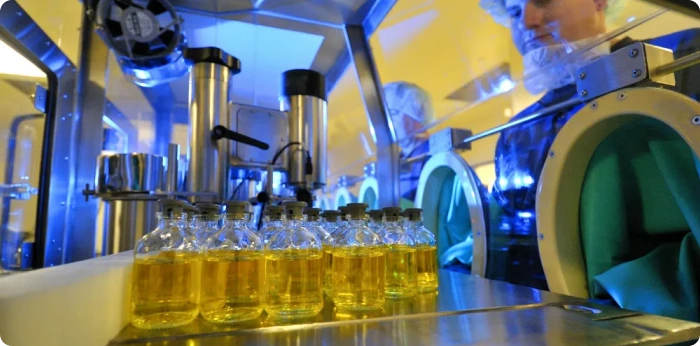
Experienced CDMOs provide integrated support across the full life cycle, from API synthesis to finished dosage manufacturing. At Piramal Pharma Solutions, we offer capabilities spanning small molecule API development, complex peptide API programs, and advanced CDMO biologics services. Our infrastructure supports seamless transitions from drug substance to drug product within a single, coordinated framework.
By aligning technical expertise, quality systems, and global supply networks, Piramal helps sponsors accelerate development while maintaining regulatory confidence and manufacturing continuity.
Understanding the distinction between drug substance and drug product is fundamental to successful pharmaceutical development. Each stage demands specialized expertise, infrastructure, and regulatory oversight. Partnering with an experienced CDMO ensures both components are developed efficiently, safely, and at scale.

The drug substance is the active pharmaceutical ingredient, while the drug product is the finished dosage form delivered to patients.
Drug product development typically begins once the drug substance has demonstrated safety and efficacy in early research and clinical studies.
A CDMO provides integrated services, including API synthesis, formulation development, and commercial manufacturing, supporting both drug substance and drug product requirements.
The following Piramal sites offer drug substance and drug product capabilities: