


Jul 23, 2026
.webp "Advancing Drug Development Through Integrated Biologics Services")
Biologic therapies are reshaping treatments in oncology, immunology, rare diseases, and other complex conditions. As these therapies advance, pharmaceutical companies increasingly seek integrated partners to support development from early drug discovery through commercial-scale manufacturing. Robust biologics capabilities streamline drug development programs, boost efficiency, and minimize complexity from managing multiple providers.
Biologics development involves the creation of therapies derived from living systems, including monoclonal antibodies, recombinant proteins, vaccines, and emerging cell and gene therapies. Unlike traditional small molecules, biologics are typically larger and more structurally complex, requiring specialized development and manufacturing approaches.
The development process often includes cell line development, process optimization, analytical characterization, formulation development, and manufacturing scale-up before clinical and commercial production can begin.
The path from drug discovery to commercialization involves numerous scientific, technical, and regulatory activities. Integrated development models bring these capabilities together under a coordinated framework, helping sponsors reduce handoffs between organizations and maintain continuity throughout the program.
Integrated solutions empower teams to drive early research, streamline candidate selection, optimize process development, and advance analytical testing, manufacturing, and regulatory achievement. This approach rapidly accelerates timelines, facilitates seamless communication, and strengthens project oversight.
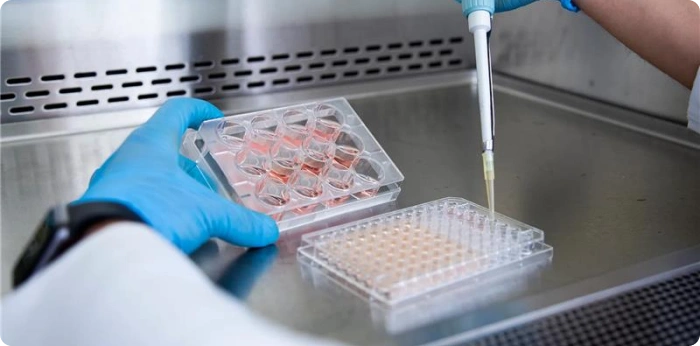
In vitro biology is pivotal in assessing biologic candidates in early development. Laboratory studies reveal target engagement, potency, mechanism of action, and safety profiles before investing in resource-intensive stages.
Robust in vitro data can improve candidate selection and provide valuable guidance for downstream development decisions.
Efficient drug substance development anchors biologics programs. Activities such as cell line optimization, bioprocess development, and analytical characterization establish scalable manufacturing to support clinical and commercial supply.
Driving effective process development and optimization is essential to elevating product quality, boosting manufacturing efficiency, and reducing technical risk. Organizations that master these steps set themselves on a path to dependable scale-up and long-term success.
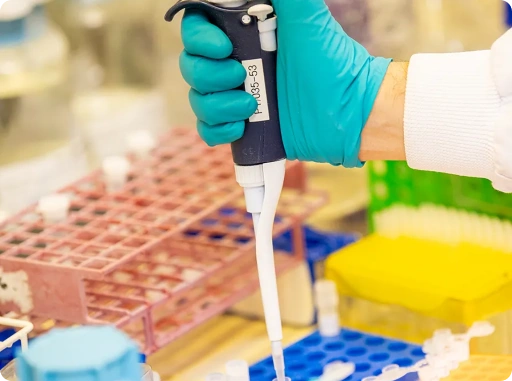
Biologics development presents several challenges, including process variability, product stability, manufacturing complexity, and evolving regulatory expectations. Programs involving advanced modalities, such as cell and gene therapies, may face additional technical considerations related to scalability and characterization.
By aligning scientific, manufacturing, and regulatory processes early in development, integrated development strategies decisively address these challenges and accelerate progress.
As biologics pipelines expand, organizations are embracing integrated development models to drive efficiency and accelerate decision-making. Advances in analytics, automation, and platform approaches are increasingly accelerating biologics development and ensuring consistent product quality.
For sponsors seeking to bring innovative therapies to patients, integrated biologics services can provide both strategic and operational advantages throughout the development journey.

Biologics development involves creating therapies derived from living systems, including monoclonal antibodies, recombinant proteins, and cell and gene therapies.
In vitro biology is important in drug discovery because it helps researchers evaluate drug candidates, understand mechanisms of action, and support informed development decisions.
Drug substance development focuses on creating and optimizing the active therapeutic ingredient and manufacturing process used in biologic products.
The following Piramal sites support biologics development and manufacturing: