


May 14, 2026
.webp "solid oral dosage formulation solutions piramal")
Developing effective oral solid dosage products remains a cornerstone of pharmaceutical innovation. From tablets to capsules, solid oral dosage forms remain the most widely used delivery format due to their stability, convenience, and patient compliance.
However, transforming an active pharmaceutical ingredient (API) into a robust and scalable solid oral dosage form is rarely straightforward. As pipelines increasingly include complex and poorly soluble molecules, formulation scientists must overcome a growing set of technical and regulatory challenges. Addressing these early in drug discovery and development is critical to avoiding delays later in the life cycle.
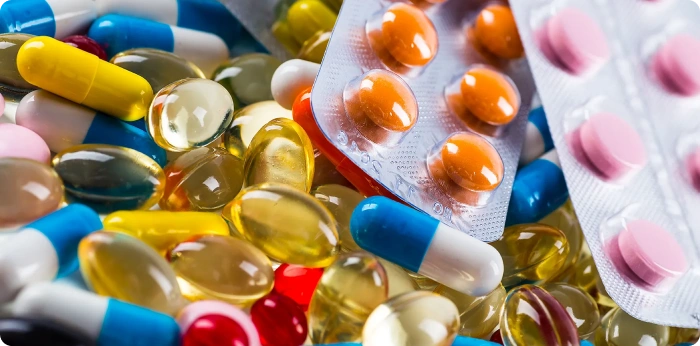
Solid oral dosage forms include tablets, capsules, granules, and powders designed to deliver a precise drug dosage. Their advantages include ease of administration, cost-effective manufacturing, and long shelf life, making them a preferred option across many therapeutic areas.
That said, their apparent simplicity can be misleading. Each formulation must balance API properties, excipient functionality, and manufacturing processes to ensure consistent performance and stability.
One of the biggest hurdles in oral solid dosage development is the inherent variability of APIs. Differences in particle size, polymorphism, and hygroscopicity can significantly impact flow, compression, and stability.
Manufacturability also presents challenges. Poor powder flow can lead to inconsistent tablet weight, while inadequate compressibility may result in defects such as capping or lamination. These issues require careful process design and material characterization.
Poor solubility remains one of the most persistent challenges in modern drug development. Many new chemical entities exhibit low aqueous solubility, which directly limits bioavailability and therapeutic effectiveness.
To address this, formulation scientists may apply strategies such as particle size reduction, amorphous solid dispersions, or lipid-based delivery systems. Each approach must be tailored to the API's specific properties to achieve optimal results.
Beyond solubility, formulation development must ensure compatibility between the API and excipients. Interactions can affect stability, dissolution, and overall product performance.
A GMP-compliant oral solid dosage formulation development approach emphasizes robust process understanding, ensuring that variability is minimized and performance is consistent across batches. This becomes especially important as projects move from development to commercial scale.
Regulatory expectations for solid oral dosage forms are stringent. Manufacturers must demonstrate that processes are reproducible, controlled, and aligned with quality standards.
Adhering to GMP-compliant oral solid dosage formulation development practices involves validated processes, detailed documentation, and ongoing monitoring. For many organizations, meeting these requirements can be resource-intensive without the right expertise.
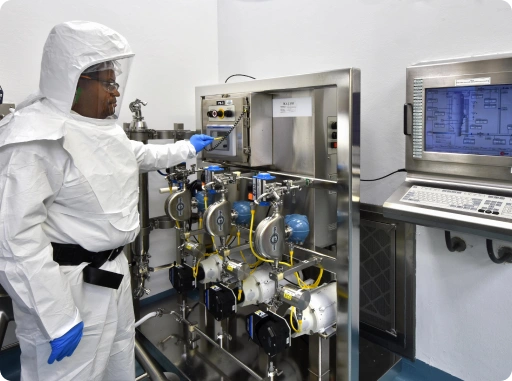
To overcome these challenges, many companies turn to experienced CDMO partners like Piramal Pharma Solutions. These CDMOs provide the technical expertise and infrastructure needed to support drug discovery and development, from early formulation through commercial manufacturing.
By integrating formulation development, process optimization, and scale-up capabilities, experienced CDMOs can help identify issues early, reduce risk, and accelerate timelines. This collaborative approach enables more efficient development of high quality oral solid dosage products.
While solid oral dosage forms remain a mainstay of pharmaceutical delivery, their development is becoming increasingly complex. A proactive, science-driven approach, supported by strong partnerships, can help companies navigate formulation challenges and bring effective therapies to market more efficiently.

Solid oral dosage forms are drug products, such as tablets and capsules, intended for oral administration.
Solubility is important in oral solid dosage development, as it directly impacts bioavailability and drug absorption.
Formulation challenges can be addressed through optimized formulation strategies, process design, and CDMO support.
The following Piramal facilities provide solid oral dosage development and manufacturing services: