


Sep 03, 2026
-1.png "Analytical Method Validation in Pharmaceuticals")
In pharmaceutical development, analytical methods provide the data needed to understand whether a drug substance or drug product meets its intended quality requirements. But before an analytical procedure can support important decisions, it must demonstrate that it is fit for its intended purpose. This is where analytical method validation comes in.
From development through manufacturing and quality control, validation helps ensure that analytical results are accurate, consistent, and dependable. For pharmaceutical companies, a well-established approach to pharmaceutical method validation can support reliable decision-making and help maintain product quality throughout the development life cycle.

Analytical method validation is the documented process of demonstrating that an analytical procedure is suitable for its intended use.
In practical terms, validation asks a key question: can this method consistently produce trustworthy results when used to test the material or product for which it was developed? This reliability is fundamental to pharmaceutical quality assurance, as analytical results can influence release decisions, stability assessments, impurity control, and regulatory submissions.
The specific characteristics evaluated depend on both the analytical procedure and its intended purpose. Common analytical validation parameters include:
Validation begins with a clear understanding of what the analytical method needs to measure and why. Method development and optimization establish this scientific basis before formal validation begins.
A validation protocol then defines the characteristics to be evaluated, the experimental approach, and the predetermined acceptance criteria. Testing generates the data needed to demonstrate that the method performs as intended, with results documented for review and regulatory purposes.
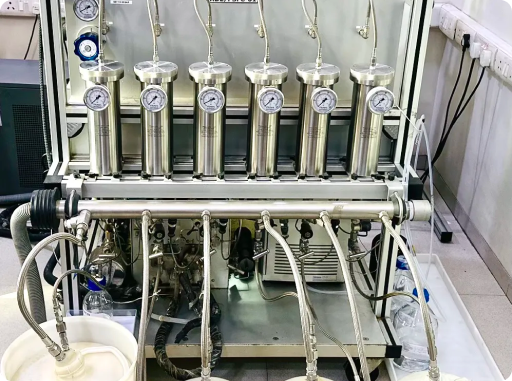
Pharmaceutical laboratories use a range of analytical techniques depending on the material and quality attribute being evaluated. Chromatographic techniques like HPLC and gas chromatography (GC) are widely used for assay, purity, and impurity testing, while other analytical approaches are often selected for identity, physical properties, or specific product characteristics.
The appropriate method depends on the question the laboratory needs to answer not simply on the availability of a particular instrument.
Effective pharmaceutical quality assurance starts with a method that is scientifically appropriate for its intended purpose. Clear protocols, qualified equipment, appropriate reference materials, trained analysts, and well-defined acceptance criteria all contribute to reliable validation.
Just as importantly, analytical procedures should be considered within the broader analytical life cycle rather than treated as a one-time activity.
The International Council for Harmonisation (ICH) develops guidelines that help align technical and regulatory expectations for pharmaceutical development and quality.
Two guidelines are particularly relevant to analytical procedures. ICH Q14 provides guidance on developing analytical procedures that are fit for their intended purpose. ICH Q2(R2) focuses on demonstrating that an analytical procedure is reliable and suitable for its intended use. Together, these guidelines provide a framework for developing and validating analytical methods used to assess attributes such as identity, assay, potency, purity, and impurities.
Ultimately, analytical method validation gives pharmaceutical teams confidence that their analytical data can support critical development, manufacturing, and quality decisions. By applying scientifically sound validation practices and aligning methods with applicable regulatory expectations, companies can build a stronger foundation for consistent pharmaceutical quality.

Analytical method validation demonstrates that an analytical method is suitable for its intended purpose.
Common analytical validation parameters include accuracy, precision, specificity, detection limit, quantitation limit, linearity, and range.
Analytical method validation is important because it helps ensure analytical results are reliable enough to support pharmaceutical quality and regulatory decisions.
Related Piramal Sites