


Mar 16, 2026
.webp "Peptide vs Protein in Drug Development – Key Differences")
As biologically derived therapies continue to expand across the pharmaceutical industry, understanding the distinction between peptides and proteins has become increasingly important. While both are composed of amino acids, their size, structure, and manufacturing processes can differ significantly.
For sponsors working with a CDMO pharma company, recognizing these differences is essential for selecting the right partner and development strategy. For organizations involved in CDMO drug development, peptide and protein programs present unique scientific, manufacturing, and regulatory considerations.
At a basic level, the distinction between a peptide and a protein comes down to size and structural complexity.
Peptides are short chains of amino acids, typically consisting of fewer than 50 residues. Because of their smaller size, peptides often have simpler structures and can be synthesized chemically.
Proteins, on the other hand, are larger and more structurally complex molecules. They may contain hundreds or thousands of amino acids and fold into intricate three-dimensional shapes that are essential for biological function.
Outside of pharmaceutical development, the distinction between peptides and proteins is also common in nutrition science, like in discussions comparing collagen peptides vs whey protein. However, in drug development, the key differences relate to synthesis methods, scalability, and analytical characterization.
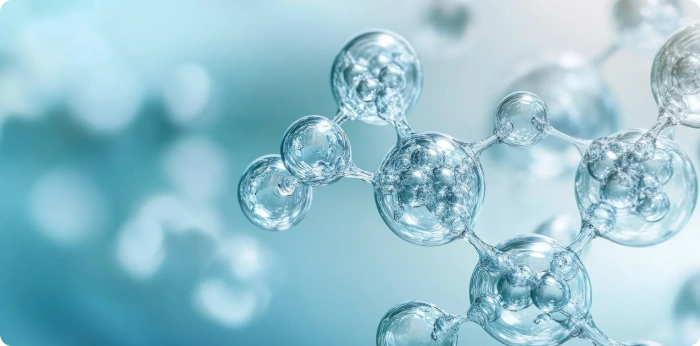
Peptide API development typically relies on chemical synthesis techniques rather than biological expression systems. One of the most widely used methods is solid phase peptide synthesis, which builds peptide chains step by step on a solid support.
This approach offers several advantages:
Because peptides are chemically synthesized, development programs often involve optimization of coupling reactions, purification strategies, and analytical characterization to ensure purity and yield. These processes are especially important as programs scale from laboratory development to commercial production.
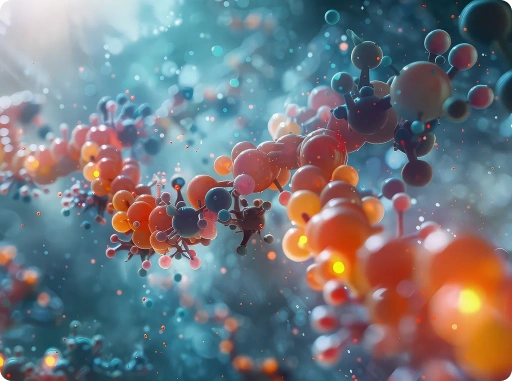
Protein therapeutics are typically produced using biological systems, such as mammalian cell cultures, yeast, or bacterial expression platforms. Instead of chemical synthesis, proteins are manufactured using recombinant DNA technology, in which cells are engineered to produce the desired molecule.
Protein manufacturing involves:
The complexity of these systems means that protein development programs often require specialized facilities and expertise in biologics manufacturing.
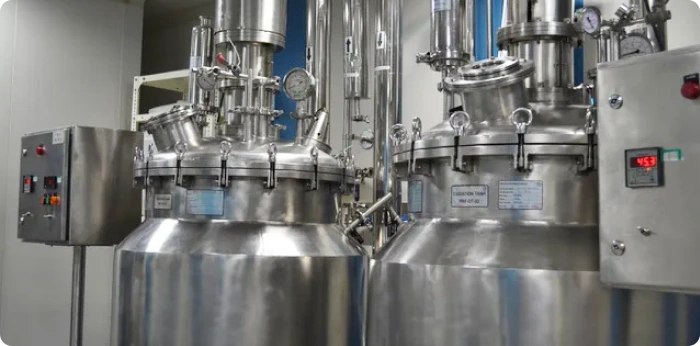
For sponsors selecting a CDMO pharma company, the choice between peptide vs protein development programs influences infrastructure, timelines, and manufacturing strategy.
Peptide programs often benefit from flexible chemical synthesis platforms and scalable purification methods. Protein programs, however, may require advanced biologics capabilities, including cell culture infrastructure and specialized analytical technologies.
A successful CDMO drug development strategy, therefore, depends on aligning molecule type, manufacturing technology, and development timelines from the earliest stages of a project.
Although peptides and proteins are both amino-acid-based therapeutics, their development pathways differ significantly. Peptide therapies typically rely on chemical synthesis methods such as solid phase peptide synthesis, while protein therapeutics require complex biologic manufacturing systems.
For modern pharmaceutical programs, understanding the differences between peptide vs protein development helps sponsors select the right technologies and CDMO partners, ensuring efficient scale-up, robust quality control, and successful progression toward commercialization.

The main difference between a peptide and a protein is size. Peptides are short amino acid chains, while proteins are larger, more structurally complex molecules.
Solid phase peptide synthesis is a chemical process used in peptide API development that builds peptide chains stepwise on a solid support.
Peptides are typically chemically synthesized, while proteins are produced using biological expression systems such as cell culture.
The following Piramal site provides comprehensive peptide services: