


Jun 29, 2026
.webp "How In-House Starting Material Production Strengthens Pharmaceutical Supply Chains")
The pharmaceutical industry depends on reliable access to high quality starting materials. These critical building blocks form the foundation of active pharmaceutical ingredients (APIs) and play an important role in product quality, regulatory compliance, and supply chain stability.
With pharmaceutical supply chains now globalized, companies have less visibility and control over the origins of key starting materials. In response, today';s manufacturers are placing greater emphasis on supply chain resilience, transparency, and long-term reliability. One approach gaining attention is the use of integrated manufacturing networks that include in-house production of key starting materials (KSMs).

Starting materials, often referred to as key starting materials (KSMs) or regulatory starting materials (RSMs), become significant structural components of an API. They directly influence the manufacturing process, affecting impurity profiles, product quality, and regulatory outcomes.
Poor control of starting material supply creates challenges in development and commercialization. Beyond quality, manufacturers need clear visibility into material production and the ability to maintain supply as demand evolves.
To address supply chain risk, pharmaceutical companies have increasingly shifted their attention upstream toward the sourcing and manufacturing of starting materials.
Many companies use third-party suppliers for starting materials. This adds flexibility, but can reduce supply chain control, complicate communication, and limit transparency.
When multiple vendors are involved, managing timelines, specifications, documentation, and change controls can become more complex. Obtaining detailed information about manufacturing routes or investigating issues may require coordination across several organizations.
These issues are most significant during clinical development, when processes change and quick problem solving is needed.
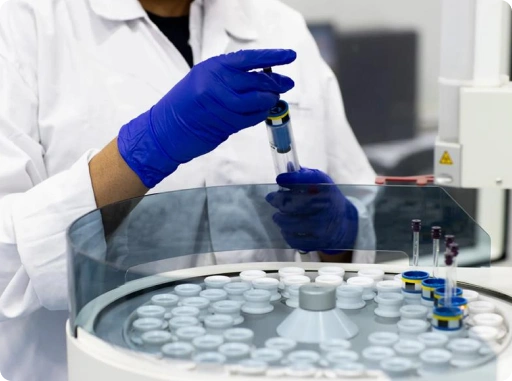
An integrated approach offers an alternative path to addressing these supply chain obstacles. By producing starting materials within its own network, a company can maintain greater control over production schedules, quality requirements, and supply continuity.
At Piramal Pharma Solutions, starting materials are manufactured within the company's internal network of facilities, creating a direct connection between starting material production and API manufacturing. This structure provides flexibility to shift production between sites and adapt manufacturing strategies as project requirements change.
Shared quality systems and internal collaboration streamline technology transfers and enable faster resolutions when challenges arise.
Drug development programs rarely remain static. Manufacturing requirements often evolve as molecules move from early to late clinical phases and toward commercialization.
An integrated network allows organizations to adapt more easily to changing requirements. Production can be aligned with project needs while maintaining continuity across development and manufacturing activities.
Close collaboration between starting material and API teams also supports faster investigations, more efficient problem solving, and improved process understanding. Rather than relying on multiple external suppliers, development teams can work together toward shared objectives across the supply chain.
Integration extends beyond starting material production. When starting materials, APIs, and finished drug products are connected through a coordinated manufacturing network, logistics become simpler, and visibility improves.
This integrated production model reduces administrative burdens and offers comprehensive oversight of development and manufacturing. By controlling critical material production, companies directly reinforce supply chain consistency, reliability, and rapid medicine delivery.

Starting materials are raw materials or intermediates that become significant structural components of an API during manufacturing.
Key starting materials are important because they can influence product quality, impurity profiles, regulatory compliance, and overall supply chain reliability.
An integrated manufacturing model improves supply chain resilience by providing greater control over production, quality systems, technology transfers, and supply continuity across development and commercial manufacturing.
The following Piramal sites support starting material production: