


Jul 28, 2026
-1.webp "Containment Strategies for High Potency API Manufacturing Excellence")
The growing use of targeted therapies in oncology and other therapeutic areas has increased demand for highly potent active pharmaceutical ingredient (HPAPI) manufacturing. HPAPIs offer significant therapeutic benefits, but their potency also creates unique manufacturing challenges. Protecting personnel, products, and the environment requires robust containment strategies that span the entire manufacturing process.
With this increasing demand, the ability to safely develop and manufacture these compounds has become a critical differentiator for both sponsors and CDMO partners alike. To understand how companies address these challenges, it is important to first define the fundamentals of HPAPI manufacturing.
HPAPI manufacturing involves the development and production of compounds that are biologically active at very low doses. Because even trace exposure can present risks to workers, these compounds require specialized facilities, equipment, and procedures designed to limit exposure during handling and processing.
HPAPIs are commonly used in oncology and hormone therapies, and are increasingly used in antibody-drug conjugates (ADCs), where highly potent payloads play a critical role in therapeutic effectiveness.
Effective containment systems are essential for safe HPAPI production since potent materials can present exposure risks during key operations like weighing, processing, and packaging.
Containment strategies keep exposure below occupational limits, ensure product quality, and prevent cross-contamination. As potency increases, robust containment is critical throughout development and manufacturing.
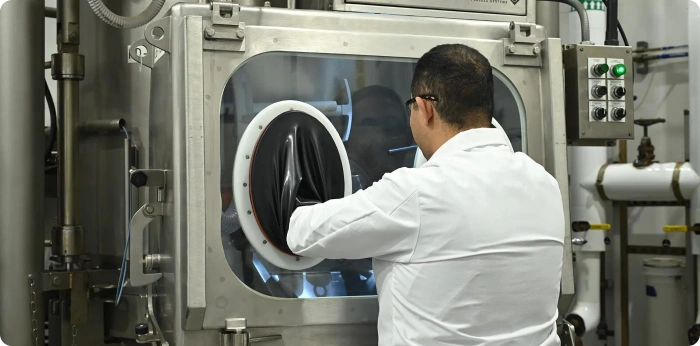
Today's HPAPI facilities incorporate multiple layers of containment designed to protect both personnel and products.
Common strategies include:
Advanced containment systems enable manufacturers to safely handle compounds that meet increasingly stringent exposure requirements while maintaining operational efficiency.
An experienced API CDMO provides specialized infrastructure and expertise critical for high potency programs. For sponsors, partnering with a CDMO reduces the need for major internal investment in containment technologies, advanced engineering controls, and workforce training. CDMO partnerships enable sponsors to access expertise quickly, reduce time-to-market, and maintain focus on core competencies while ensuring safety and compliance.
Leading pharma CDMO organizations deliver integrated capabilities, including process development, analytical expertise, containment engineering, and GMP manufacturing. This comprehensive approach streamlines program progression from early development through commercialization, minimizing delays and ensuring expert handling of potent compounds.
These capabilities are particularly valuable for complex modalities, such as ADC payloads and peptide API programs, which may require highly specialized handling procedures.
HPAPI facilities must meet stringent regulatory requirements for safety, quality, and contamination control. Manufacturers are expected to establish appropriate occupational exposure limits, implement containment monitoring programs, validate cleaning procedures, and demonstrate effective engineering controls.
Regulators also increasingly expect ongoing verification that containment systems continue to perform as intended throughout a product's lifecycle.
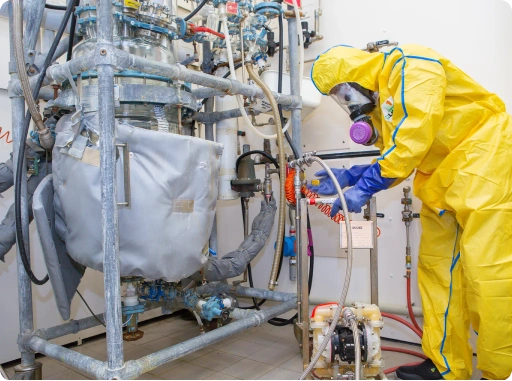
Modern containment technologies protect workers, support product quality, reduce contamination risk, and improve efficiency, enabling flexibility across programs.
As compounds become more potent and complex, advanced containment systems enable manufacturers to support increasingly challenging development programs with confidence.
The future of HPAPI Manufacturing will likely be shaped by continued growth in targeted therapies, ADCs, and other precision medicines. Increasing potency levels are driving further investment in isolator technology, automation, real-time monitoring, and next-generation containment solutions.
As the industry evolves, organizations with proven containment expertise will remain well-positioned to support the next generation of high potency therapies.

HPAPI manufacturing involves the development and production of highly potent active pharmaceutical ingredients that require specialized containment and handling procedures.
Containment helps protect workers, prevent cross-contamination, maintain product quality, and ensure compliance with safety requirements.
Yes. Some peptide API programs may require specialized containment strategies depending on their potency and occupational exposure limits.
The following Piramal sites support HPAPI development and manufacturing: