


Aug 10, 2026
.webp "Biologics Manufacturing Process – Key Stages & Best Practices")
The rapid growth of biologic therapies has transformed the modern pharmaceutical landscape. From monoclonal antibodies and recombinant proteins to cell and gene therapies, these complex medicines are helping address diseases that were once difficult or impossible to treat. However, unlike traditional small molecule drugs, biologics manufacturing requires highly specialized processes, advanced technologies, and robust quality systems.
Understanding the key stages of biologics manufacturing can help sponsors make well-informed decisions as they move therapies from development to commercialization.
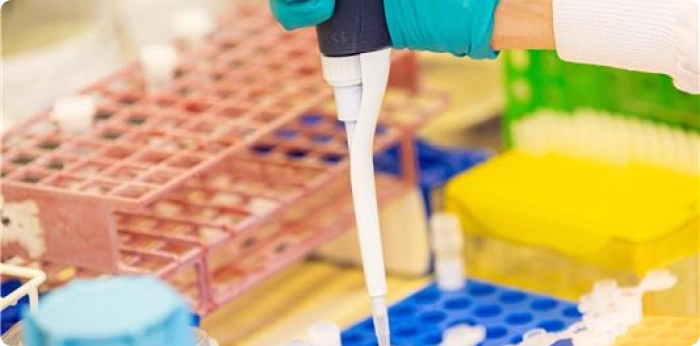
Biologics manufacturing is the process of producing medicines derived from living cells or organisms. This includes therapies like monoclonal antibodies, vaccines, recombinant proteins, and some cell and gene therapies. While small molecule drugs are created through chemical synthesis, biologics are produced by growing carefully engineered cells that naturally generate the desired therapeutic protein or molecule.
Because living cells are highly sensitive to their environment, every stage of manufacturing from cell culture and purification to formulation and fill/finish must be carefully controlled to ensure the final product consistently meets strict standards for identity, purity, potency, and safety.
The biologics development journey begins with cell line development, where scientists engineer and select cells capable of producing the desired therapeutic protein. Once a stable cell line is established, it serves as the foundation for manufacturing.
Following cell line selection, the process is scaled through laboratory, pilot, and clinical manufacturing stages before progressing to commercial production. Throughout development, manufacturers continually evaluate process performance, product quality, and scalability.
Each phase builds upon knowledge gained earlier in development, making process understanding essential for successful commercialization.
The manufacturing process is generally divided into upstream and downstream operations.
Upstream processing focuses on growing cells under carefully controlled conditions within bioreactors. Parameters such as temperature, nutrient availability, pH, and dissolved oxygen are optimized to maximize productivity and product quality.
Once production is complete, downstream processing isolates and purifies the therapeutic molecule. Multiple purification steps remove impurities, host cell proteins, and other process-related contaminants while preserving the integrity of the biologic.
Together, these activities form the foundation of successful process optimization, helping improve consistency and manufacturing efficiency.
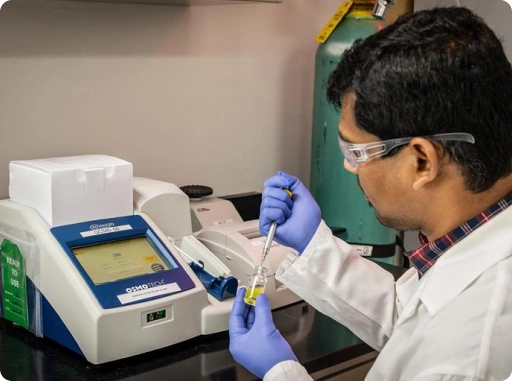
After purification, the biologic is formulated into its final dosage form. Formulation development helps ensure product stability throughout storage and distribution while maintaining efficacy over its intended shelf life.
The final product then undergoes sterile fill/finish operations, where it is filled into vials, syringes, or other delivery systems under tightly controlled aseptic conditions. Maintaining sterility throughout this stage is imperative as many biologics are administered by injection.
Clinical manufacturing provides the material needed for human clinical trials while establishing manufacturing processes that can later support commercial production.
As development progresses, manufacturing processes are refined, scaled, and validated to ensure they remain consistent as production volumes increase. Early consideration of scalability helps reduce risk during technology transfer and commercialization.
Strict adherence to Good Manufacturing Practices (GMP) is essential throughout biologics development. GMP establishes the quality systems, documentation, facility controls, and manufacturing procedures necessary to produce safe, effective products consistently.
For biopharma companies, strong GMP systems help ensure regulatory compliance and protect product quality throughout the manufacturing life cycle.
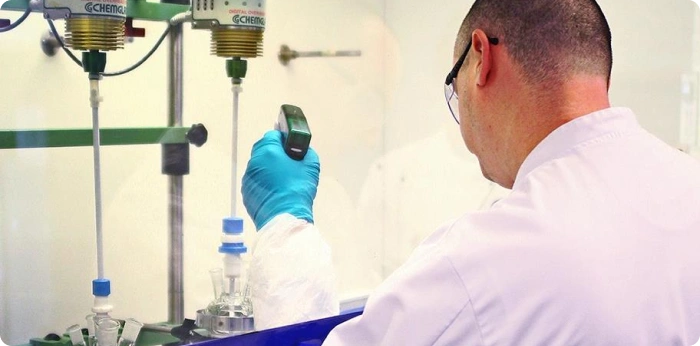
Successful biologics manufacturing depends on continuous process optimization. Manufacturers must routinely evaluate production parameters, analytical data, and process performance to improve yields, reduce variability, and enhance overall efficiency.
At Piramal Pharma Solutions, process optimization is built into every stage of development. Integrated teams work closely with sponsors to fine-tune manufacturing processes, improve scalability, strengthen analytical methods, and prepare robust technology transfer strategies for later-stage production. This approach helps detect potential manufacturing challenges early, reducing risk and supporting smoother progression through clinical development.
As biologic medicines continue to expand across therapeutic areas, manufacturing excellence has become increasingly important. Through robust cell line development, optimized manufacturing processes, strong GMP systems, and integrated development expertise, pharmaceutical companies can efficiently bring innovative biologics to patients while maintaining the highest quality standards.

Biologics manufacturing is the process of producing medicines derived from living cells or organisms using specialized biological manufacturing systems.
Cell line development is important because it establishes the production cells used to manufacture biologic therapies consistently throughout development and commercialization.
Good Manufacturing Practices (GMP) are important for biologics because they help ensure biologic products are consistently manufactured, tested, and controlled according to established quality standards.
The following Piramal facilities support biologics development and manufacturing: