


Jan 05, 2026
-1.png "Bioconjugate Drug Development for Targeted Therapies and ADCs")
Bioconjugates are hybrid molecules that combine a biologic, such as an antibody, with a small molecule payload to create targeted therapies. These constructs, including antibody-drug conjugates (ADCs), leverage the specificity of biologics and the potency of small molecules, enabling more precise treatment of complex diseases like cancer. Developing these molecules requires advanced bioconjugate chemistry and expertise in both biologic and small molecule drug development.
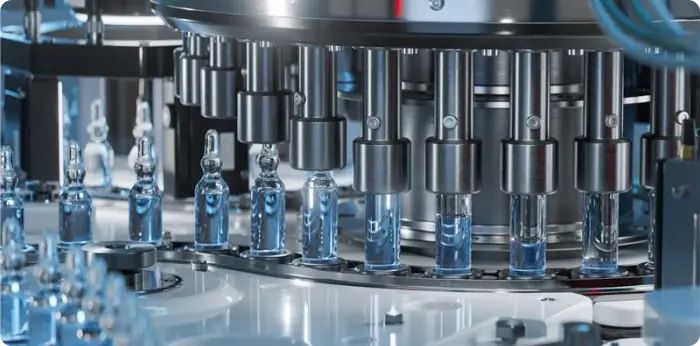
Moving a bioconjugate from clinical testing to commercial production presents unique challenges. Unlike traditional small molecules or biologics alone, bioconjugates require careful coordination across all stages of a drug development program. Even minor variations in conjugation, formulation, or handling can affect potency, stability, and safety, making the clinical-to-commercial transition more complex than standard drug programs.
Handling Highly Potent Payloads
Many bioconjugates carry highly potent payloads that require specialized containment and handling to ensure personnel and environmental safety. Manufacturing facilities must maintain rigorous safety standards while preserving the integrity of these sensitive compounds.
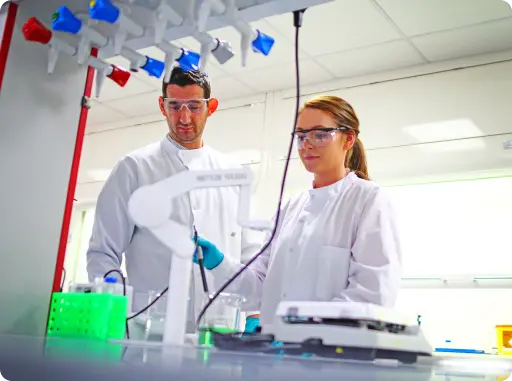
Due to their hybrid nature, bioconjugates require sophisticated analytical techniques to measure parameters such as drug-to-antibody ratio, aggregation, and stability. Accurate analytical and characterization capabilities are essential to ensure consistency and meet regulatory expectations.
Bioconjugates often have complex stability and solubility profiles, making formulation for clinical or commercial use challenging. Ensuring the drug remains stable, bioavailable, and effective throughout its shelf life is critical for patient safety and trial success.
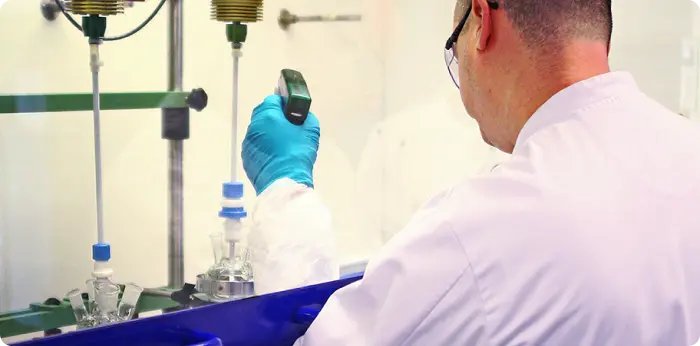
CDMO biologics services and ADC CDMOs play a critical role in supporting the development of bioconjugates. They provide:
By partnering with experienced CDMO pharma companies, drug developers can mitigate risk, maintain quality, and streamline the path from early research through integrated drug discovery to commercial manufacturing.

Bioconjugates are hybrid molecules that link a biologic and a small molecule payload to deliver targeted therapies with enhanced potency and precision.
Key challenges in bioconjugate development include handling highly potent payloads, performing advanced analytical and characterization testing, and ensuring stable, effective formulations for clinical and commercial use.
Integrated CDMO pharma companies provide expertise across the entire drug development program, including bioconjugate chemistry, formulation, analytical support, and scalable manufacturing – from clinical to commercial supply.