


Jan 14, 2026
.webp "Lyophilization Process for Pharmaceutical Drug Stability")
Lyophilization, also known as freeze-drying, is a critical technology for improving the stability and shelf life of drug products, including biologics and other complex modalities. Many drug substances that demonstrate strong biological activity struggle to remain stable in solution long enough to meet the 24-month shelf life typically required for commercial viability. Lyophilization addresses this challenge by converting liquid formulations into dry, solid products that can be stored and transported under refrigerated conditions rather than frozen, reducing logistical complexity.
The lyophilization process relies on sublimation, in which ice transitions directly from a solid to a vapor phase under vacuum, bypassing the liquid phase. This minimizes degradation pathways associated with liquid water and enables long-term stability when properly designed and controlled.
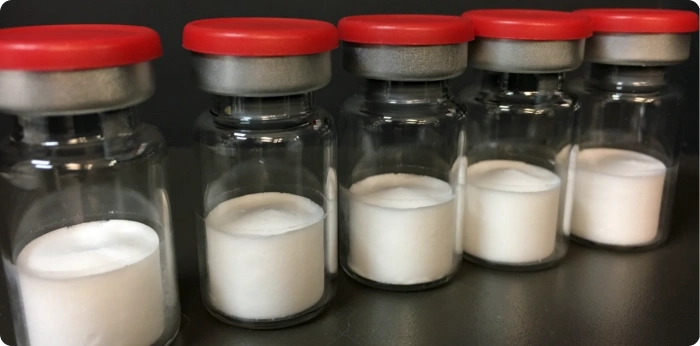
A successful lyophilization strategy begins with formulation selection. Biologics are typically processed in aqueous systems, while poorly water-soluble drug substances may require lyo-compatible cosolvent systems. Early solubility studies across aqueous and cosolvent systems are essential, as pH, solvent composition, and excipient choice directly affect both solubility and stability.
Buffers are selected based on a drug substance's pH-dependent solubility profile, with common systems including citrate or acetate buffers. In parallel, bulking agents such as mannitol, glycine, cyclodextrins, or lactose are added to provide structural support to the final lyophilized cake. The quantity of bulking agent must be carefully optimized, as excessive amounts can extend cycle times and introduce risks such as vial cracking or metastable states.
Thermal characterization is a foundational step in lyophilization development. Critical temperatures, including the glass transition temperature (Tg′), eutectic temperature, and collapse temperature, define the safe operating limits of the process. Techniques such as differential scanning calorimetry (DSC) and freeze-dry microscopy (FDM) are used to identify these parameters. Formulations with very low Tg′ values can be challenging to commercialize due to longer drying times and lower allowable shelf temperatures, making early optimization particularly important.
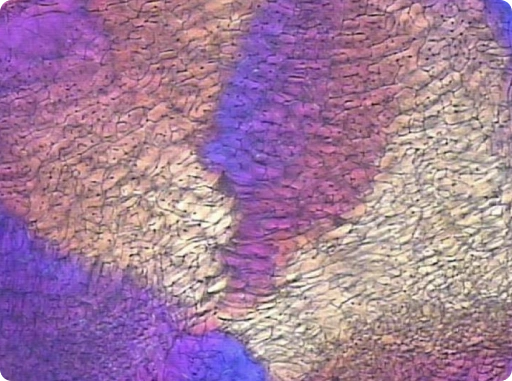
The lyophilization cycle consists of three main stages: freezing (thermal treatment), primary drying, and secondary drying. During freezing, controlled nucleation and annealing may be applied to promote uniform ice crystal formation and eliminate metastable states.
Primary drying removes most of the unbound water through sublimation while maintaining product temperature below the collapse threshold. Sublimation-induced cooling must be considered when setting shelf temperatures to ensure product integrity. Secondary drying then removes residual bound moisture and solvents. This final stage must be carefully controlled, as overly aggressive conditions can lead to micro-collapse and compromise long-term stability.
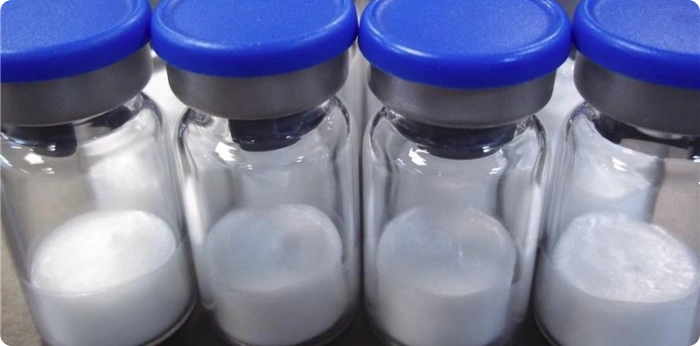
Lyophilization is a critical enabling technology that transforms drug substances with limited solution stability into commercially viable products. By applying a science-driven approach to formulation design, thermal characterization, and process control, companies can consistently produce elegant, robust lyophilized cakes with rapid reconstitution and long-term stability. Mastering lyophilization expands patient access by enabling reliable storage and distribution beyond regions with ultra-low-temperature infrastructure.

Lyophilization, or freeze-drying, removes water from a frozen drug product to increase stability and shelf life.
Biologics and other complex drug products are sensitive to temperature and can degrade in liquid form. Lyophilization stabilizes them, enabling easier storage and shipping.
CDMOs support lyophilization by providing integrated development and manufacturing expertise to scale lyophilized products from lab to commercial production.