


Jan 21, 2026
.webp "Oral Liquid Formulation Manufacturing for Drug Development")
Oral liquid formulations are a vital drug delivery format, renowned for their ease of swallowing, rapid onset of action, and dosing flexibility. They are especially important for pediatric and geriatric populations, but present unique formulation challenges that require specialized expertise and integrated drug development capabilities.
Many APIs are poorly soluble in water, making it difficult to produce stable and bioavailable oral liquids. Enhancing solubility often requires excipients such as surfactants or solubility enhancers, as well as nano-emulsions or self-emulsifying systems. In vitro dissolution studies help identify the formulations that will perform best in clinical trials.
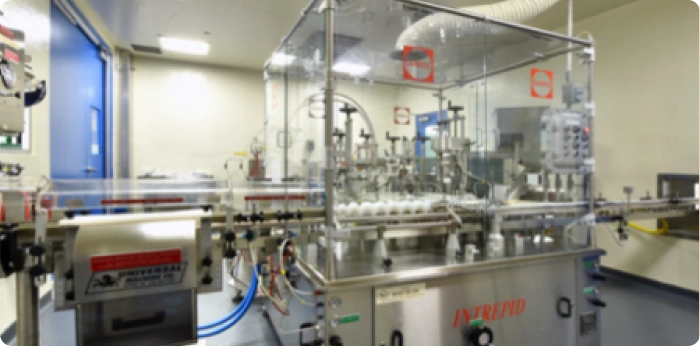
Oral liquids face both chemical and microbial stability challenges. Hydrolysis, oxidation, or interactions with excipients can degrade the API, while microbial contamination can reduce shelf-life. Solutions include antioxidants, preservatives, and moisture- and light-resistant packaging. Unit-dose systems can further protect formulations from environmental factors, ensuring consistent quality.
Unpleasant API flavors can impact patient adherence. Taste masking strategies include the use of sweeteners, flavorings, and advanced encapsulation technologies. Selecting the right approach requires balancing taste, stability, and efficacy while considering patient population preferences.
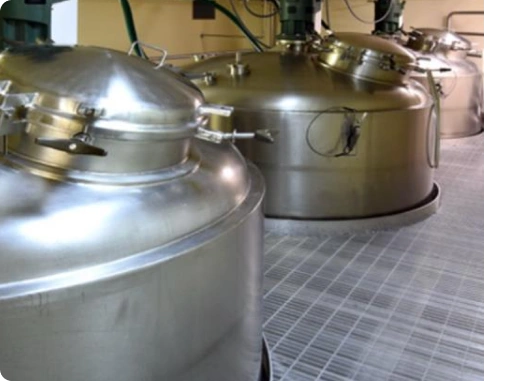
Excipients can affect viscosity, stability, and drug absorption. Compatibility studies help identify combinations that maintain bioavailability and shelf-life, often including water to mimic real conditions. Forced degradation tests can reveal interactions early in development, guiding the development of safer, more effective formulations.
Liquid suspensions can separate over time, leading to dosing inconsistencies. Techniques such as viscosity modification, re-dispersible suspensions, and unit-dose packaging help maintain uniform drug delivery throughout the product's shelf-life.
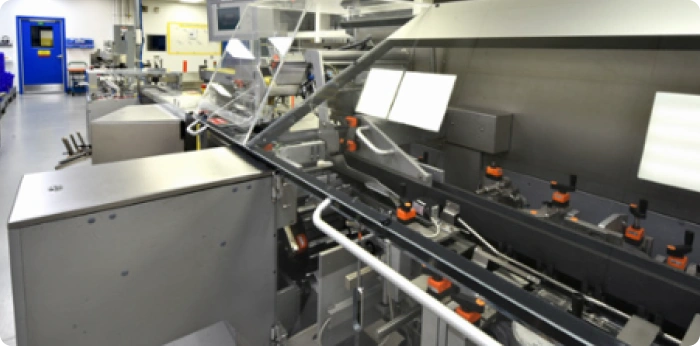
Packaging must protect the oral liquid formulation from leaching, absorption, and environmental factors. Evaluating all containers, from bulk bottles to patient-level units, is crucial to ensure safety and product integrity.
Transitioning from lab-scale to commercial production requires consistent mixing, homogenization, and process validation. Integrated program management ensures seamless tech transfers, maintains quality, and supports reproducible manufacturing at every scale.
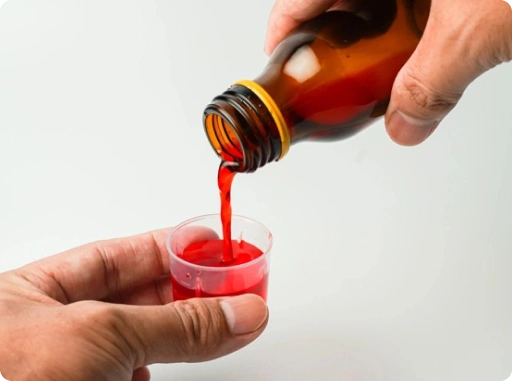
Working with experts in oral liquid formulation development helps ensure stable, bioavailable products that meet patient needs. Piramal Pharma Solutions network offers integrated capabilities, including API handling and finished-product manufacturing at every scale, facilitating efficient scale-up and global production.

Oral liquid formulations are liquid drug products designed for easy swallowing and flexible dosing, especially for pediatric and geriatric patients.
Taste masking is important for oral liquid formulations because unpleasant flavors can reduce patient adherence, impacting efficacy and treatment outcomes.
CDMOs provide expertise in formulation, scale-up, stability testing, and manufacturing, ensuring safe, effective, and consistent oral liquids.