


Dec 01, 2025


Rare diseases, which affect fewer than or equal to 1 in 2,000 people, often suffer from a lack of treatment options. The limited patient population and the complexities associated with these conditions make them less attractive for pharmaceutical companies, leading to significant unmet medical needs. New drug formulation enables the development of effective treatments for these diseases. Through innovative pharmaceutical formulation development, companies address these gaps and provide hope to patients with few or no options.

Developing drugs for rare diseases presents unique challenges. The low patient population means that the financial return on investment for research and development (R&D) can be limited, discouraging companies from pursuing these therapies.
Pharmaceutical preformulation is another critical aspect of drug development that adds complexity. Drug stability, bioavailability, and dosage form development must be carefully considered to ensure that the final product is effective and safe. Fortunately, incentives like the FDA Orphan Drug Act encourage innovation in this field by providing benefits such as tax credits and extended market exclusivity for companies that develop treatments for rare diseases.
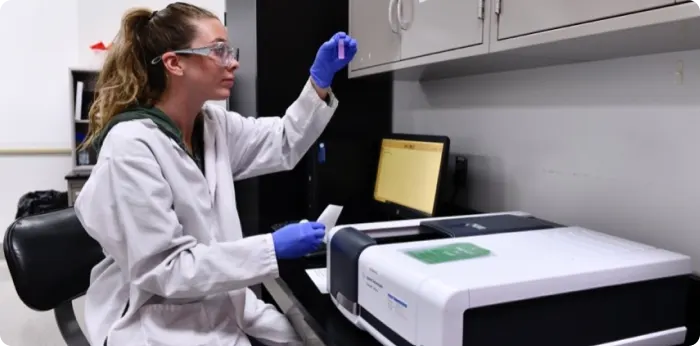
New drug formulation improves drug efficacy and safety for rare disease therapies. Effective formulation development helps optimize the therapeutic effects of drugs while minimizing side effects, which is particularly important in rare diseases where patients often have unique physiological characteristics that can affect how they respond to treatment.
Dosage forms, such as oral, injectable, and sublingual options, can be tailored specifically for rare disease treatments. These innovative forms can enhance patient adherence, making it easier for individuals to manage their conditions. For instance, advanced drug delivery systems can provide controlled release of medication, ensuring that patients receive consistent therapeutic effects over time.
Recent advancements in pharmaceutical formulation development have changed how companies create drugs for rare diseases. Nanotechnology and targeted drug delivery systems are paving the way for precision medicine, allowing treatments to be explicitly directed to affected cells, thereby enhancing efficacy while reducing systemic exposure.
Moreover, 3D printing technology is emerging as a game-changer in new drug formulation. This technique enables the creation of personalized medication tailored to the specific needs of individual patients, ensuring optimal dosing and improved therapeutic outcomes. Biologic and peptide-based drug formulations are also gaining traction, particularly for complex rare diseases where traditional small-molecule drugs may not suffice.
Artificial intelligence (AI) further revolutionizes formulation development by predicting drug performance and streamlining the R&D process. This technology helps researchers identify potential formulation challenges early, reducing time and costs associated with drug development.

The future of drug formulation for rare diseases looks promising. There is an increasing focus on patient-centric formulations designed to improve treatment outcomes. As more pharmaceutical companies recognize the importance of addressing rare diseases, investments in pharmaceutical formulation development by Contract Development and Manufacturing Organizations (CDMOs) and biotech firms are expected to rise.
Collaboration between research institutions and pharmaceutical companies will also accelerate drug development. By pooling resources and expertise, these partnerships can facilitate the discovery of innovative formulations that meet the specific needs of patients with rare diseases.
In conclusion, the importance of new drug formulation in treating rare diseases cannot be overstated. Continued investment in R&D, innovation, and regulatory support is essential to bring effective treatments to market. Pharmaceutical companies are encouraged to prioritize advanced formulation development to address the unmet needs of patients suffering from rare diseases. By doing so, they can contribute significantly to improving health outcomes and enhancing the quality of life for these individuals.