


Jul 07, 2026
.webp "API Drug Development Strategies for Clinical Success")
Bringing a new therapy from discovery to the clinic requires far more than identifying a promising molecule. Success depends on establishing a scalable, reproducible, and regulatory-ready development strategy that supports long-term manufacturing and commercialization goals.
To achieve these goals, modern API drug development programs rely on integrated approaches that merge scientific, manufacturing, and regulatory expertise from the earliest stages of development and beyond.
API drug development encompasses all activities required to create and manufacture the active pharmaceutical ingredient (API) used in a drug product. These activities include route selection, process development and optimization, analytical characterization, scale-up, and GMP production.
Strong development strategies ensure that promising molecules progress efficiently through clinical development while maintaining quality and supply reliability.
The API development process typically includes several critical stages:
An integrated model aligns chemistry, manufacturing, analysis, and regulatory actions from the outset. This approach reduces delays, increases communication, and smooths transitions between stages.
Early consideration of manufacturing requirements enables organizations to minimize potential costly process redesigns later in development.
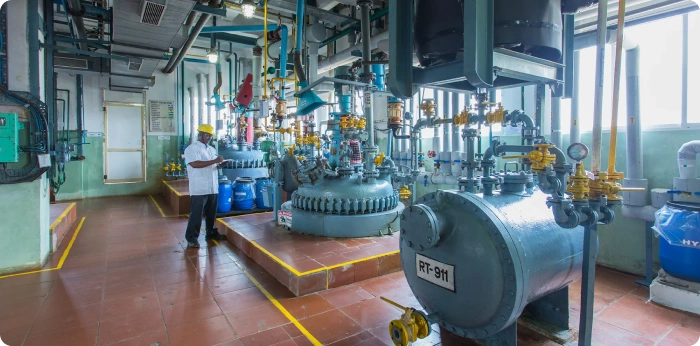
API development often faces challenges related to scalability, impurity control, process robustness, access to raw materials, and regulatory demands.
As molecules become more complex, these challenges often require specialized expertise and advanced manufacturing capabilities.
Today's development programs increasingly benefit from specialized capabilities, such as:
These capabilities help support both efficiency and long-term manufacturability.
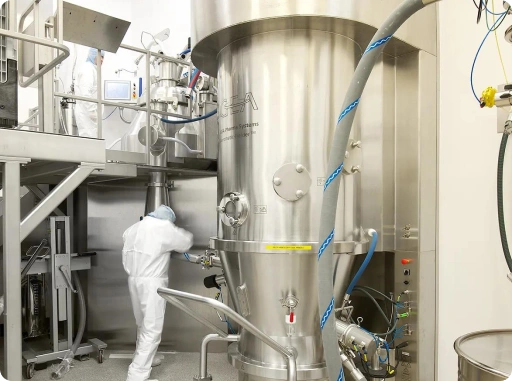
CDMOs play a crucial role in supporting pharmaceutical innovation by providing development expertise, manufacturing infrastructure, and regulatory knowledge. Many sponsors partner with CDMOs to access specialized capabilities and technology while maintaining flexibility and managing costs.
Integrated development and manufacturing support can help accelerate timelines and increase the likelihood of successful clinical advancement.
The future of API development will likely be shaped by increasing molecule complexity, greater emphasis on sustainability, advanced analytical tools, and more integrated development models.
Organizations that combine scientific expertise with scalable pharmaceutical manufacturing capabilities position themselves to support the next generation of therapies and bring innovative medicines to patients more efficiently.

API drug development comprises activities required to develop, optimize, manufacture, and characterize active pharmaceutical ingredients.
Route scouting involves evaluating multiple synthetic pathways to identify the most efficient and scalable manufacturing route.
Analytical method development is vital in API development because it safeguards product quality, ensures regulatory compliance, and delivers key data throughout development and manufacturing.
The following Piramal sites support API development and manufacturing: