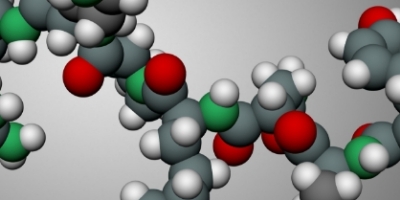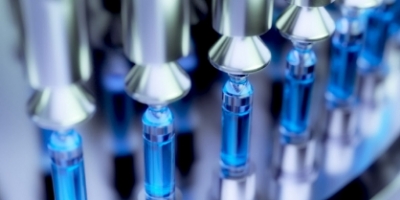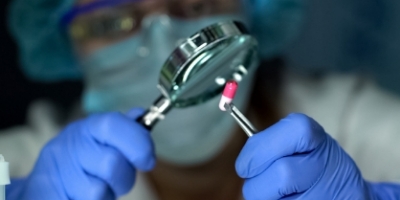


Extractables and leachables (E&L) represent an important class of impurities in pharmaceutical products that can arise from interactions between drug formulations and packaging materials, manufacturing components, or delivery devices, and migrate into drug products during manufacturing, storage, or administration.
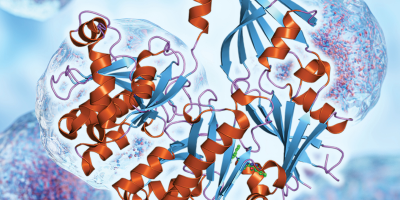
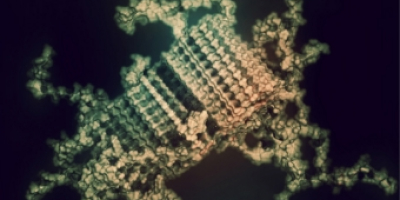
Biocatalysis is a central pillar of modern organic synthesis. Using enzymes or whole cells as catalysts, researchers deploy biocatalysis to synthesize molecules in mild, environmentally-friendly conditions with high selectivity.
Starting from a previously validated molecule is one of the fastest ways to reach the clinic, but the IP economics are unforgiving. Molecules that closely track prior art offer weak IP protection, and method-of-use claims often fail to defend a market position.
.jpg)
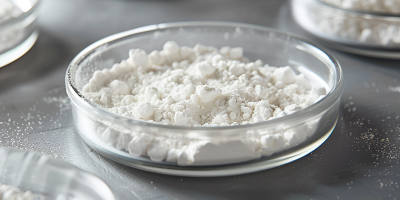
Spray drying is a versatile pharmaceutical manufacturing technique that transforms liquid formulations into dry powders in a single step.
Starting materials are vital to the reliable supply of high-quality medicines. As critical building blocks of active pharmaceutical ingredients (APIs), these materials influence everything from product purity to supply chain security.

-1-1.png)
.png)

-2-1.png)
-3.png)

-2.png)
.png)