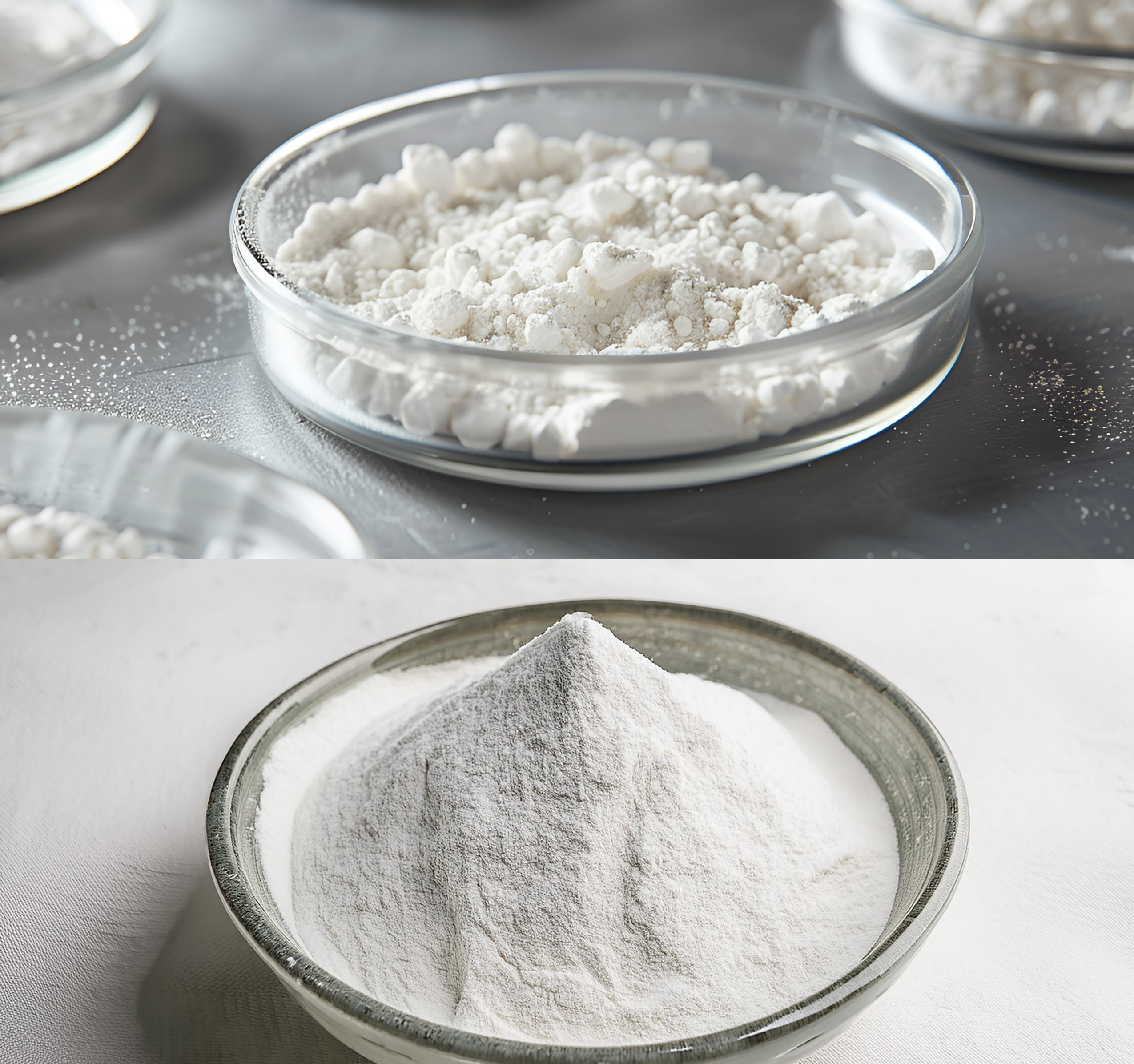
Particle size reduction technologies are a cornerstone of many drug development programs. Needing to increase bioavailability through improved solubility, companies deploy a range of technologies to reduce the size of active pharmaceutical ingredient (API) particles. Increasingly, drug developers are concluding that wet milling is an appealing option for their APIs.
Low solubility is a widespread, long-standing challenge in drug development. Studies have found around 40% of approved drugs and 90% of pipeline candidates are poorly soluble in water.1,2 Reducing the size of particles accelerates the rate at which an API dissolves, improving solubility, boosting bioavailability and ultimately enabling development of life-changing molecules that would otherwise never reach patients.
Pharma companies also use the technologies to change physical characteristic as such as size and shape of particles to tune flowability. API powder characteristics can greatly affect production of oral solid dosage forms. Technologies that fine-tune particle size enable companies to better control those characteristics, bringing better reproducibility to the API.
Traditionally, dry milling processes such as micronization, hammer mills and knife mills have been the go-to technologies for pharma companies that need to reduce the size of their API particles. As a complimentary technique wet milling is less well known outside of large drugmakers and contract service providers with deep expertise in the control and distribution of particle size. While wet milling is not able to generate as small particle size as some dry milling technology, it does have advantages that make it the best fit for some projects.
In this paper, we look at the strengths and weaknesses of wet milling versus other techniques, explain how to assess whether the technology is right for an API and discuss the importance of establishing particle size reduction processes that scale predictably.
Wet milling entails mixing the API with a liquid to create a slurry. The mixture is then passed through a rotor/stator combination that reduces the size of the particles. Once milled, the particles are filtered off from the slurry ready for use in solid drugs. Since the particle size reduction is carried out on a slurry there is potential for it to be combined with a crystallization process. This eliminates the need for additional isolation and drying steps, which maintains cycle times, and reduces waste.
The slurry nature of the wet milling process can make it an attractive option for particle size control of potent APIs, as more of the processing is carried out on wetted API, reducing the potential exposure of employees.
The annual number of US approvals of contained novel products, including Highly Potent APIs (HPAPIs), increased from seven in 2010 to 36 in 2018.3 In 2024, analysts estimated that HPAPIs accounted for more than 30% of the drug development pipeline.4 As HPAPIs become more prevalent, drug developers are increasingly adopting wet milling to simplify the task of safely containing the potent ingredients during production.
Wet milling also offers efficiency benefits that can make it attractive even when working with standard APIs. Dry milling entails isolating, drying and manipulating a solid. In contrast, companies can combine crystallization, wet milling, and isolation of the API in one batch. Combining these activities realizes throughput advantages while reducing costs and material losses, resulting in higher yields and shorter timelines.
Those attributes make wet milling a good choice for many projects but the technique has limitations that can make dry milling a better option for some APIs. Wet milling cannot generate particles that are as small as those produced through micronization. Therefore although wet-milled particles are sufficiently small for most drug substances they may not be small enough for inhaled products or other instances that require very small particle size.
The mix of advantages and disadvantages of wet and dry milling makes it important to work with experts who understand the technology and can help determine the best approach for each API. Piramal Pharma Solutions makes its top wet-milling experts available on a consulting basis through its Science Collective, allowing companies of all sizes to access knowhow that only the largest drug developers have in-house.
This helps customers make expert-led, data-driven decisions about particle size reduction or control.
Considering the effect of control over particle size distribution on bioavailability early is key to avoiding problems downstream. Companies that fail to consider particle size upfront may need to redo work on bioavailability or stability which can lead to increasing costs and delayed development.
Working within a single batch Piramal can rapidly, by careful control of the milling parameters, generate a series of samples with different particle size distributions. Drug developers can use those samples to see how particle size affects API behavior in the formulation, generating insights into dissolution, bioavailability and other factors that influence drug performance.
The value of small-scale experiments depends on the extent to which they predict how materials will behave at larger scales. Wet milling 1kg of an API can produce different results than wet milling 100kg of the same API if the factors that affect scale-up are not well understood and controlled. The potential for particle size distribution to change when an API is wet milled at larger scales makes it vital to use machines and approaches that enable predictable scaleup.
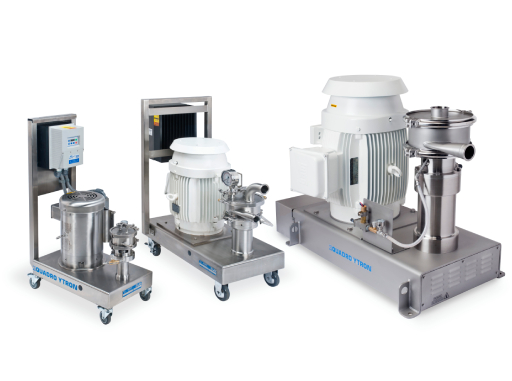
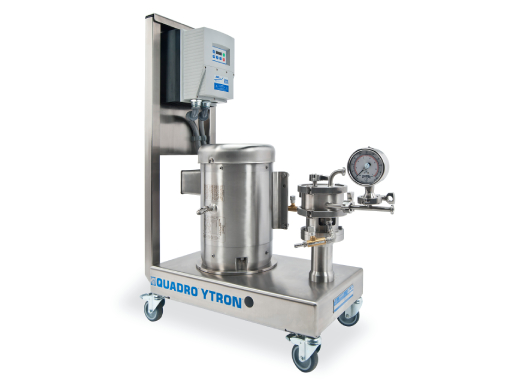
Piramal prioritized scalability when establishing its wet milling capabilities. The company has a small wet mill and large wet mill at each of its North American API facilities in Aurora, Canada and Riverview, Michigan. The mills are equivalent at each facility, enabling Piramal to not only reproducibly scale-up, but also to transfer processes between the two sites and get the same results. Our Digwal facility is equipped with similar machinery to support large-scale and commercial volume wet milling.
The reproducibility and robustness of the scaleup, which are essential to achieving the expected efficacy, are made possible by Piramal';s choice of wet mill machinery. Piramal bought Quadro Engineering wet milling machines because the equipment is deliberately designed to be scalable.
Quadro worked with Merck & Co. to study the factors that impact the ability to scale wet milling.5 The resulting understanding of the science of wet milling APIs helped establish Quadro at the forefront of work to reliably scale up the process. Without that understanding, attempts to scale wet milling can lead to differences in particle size distribution that can cause costly delays to R&D programs at key moments.
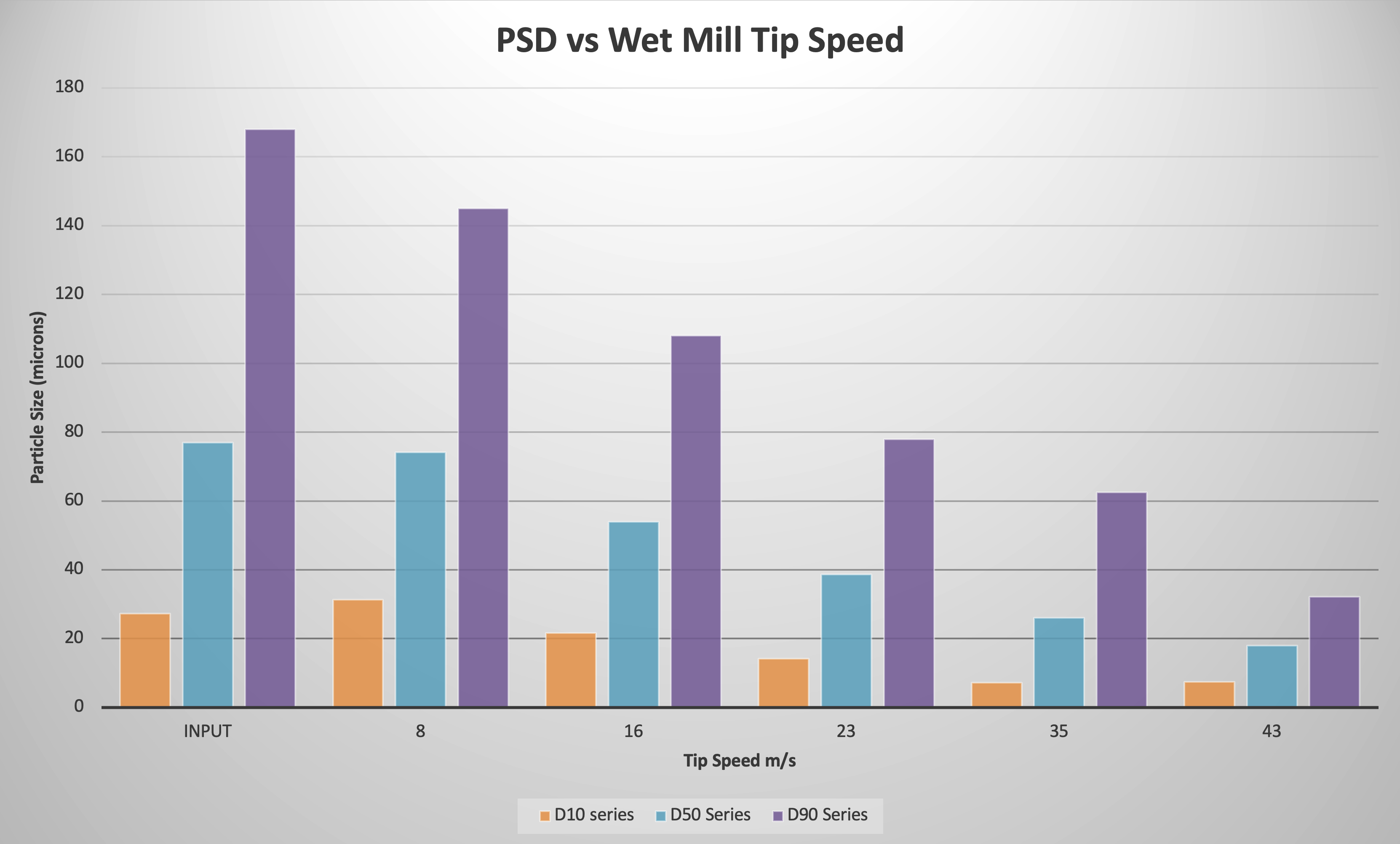
Piramal has confirmed the scalability of processes performed on Quadro machines at its own facilities. As an example, in one case study, the company assessed how the tip speed of the kilo lab wet mill affected API particle size distribution and identified the speed needed to achieve the desired result at 0.5 to 1 kg scale. This not only provided the tip speed needed for the desired PSD of the particular API, but also made available samples of varying particle size distribution for assessment in the product formulation.
Since tip speed of the mill is the primary scaling factor when increasing batch size, a correlation between tip speed and overall PSD for the API was established by sequentially increasing the wet mill tip speed in a step-wise manner at 0.5 to 1 kg scale. Removal of samples at each increasing tip speed furnished material that was for its performance in the downstream formulation and on dissolution profile and hence drove selection of limits for the particle size distribution. At larger scale the desired tip speed was reproduced on the larger mill to give the desired PSD of the API. evaluated
The parameters defined at the smaller scale were applied on 11kg of API, in a kilo lab scaleup setting using the same wet mill as the small scale work, and 120kg of API for plant scaleup using the larger unit and showed the reproducibility of the results. Wet milling scaled within normal variance at the two higher quantities, confirming Piramal';s ability to use small-scale experiments to inform decisions about how to achieve the desired particle size distribution at larger scales.
The emergence of wet milling as an established option for drug developers facing solubility problems is an important development. The operational characteristics of wet milling to reduce the size of particles without creating the dust associated with dry milling, can make it ideally suited to HPAPIs that are at the forefront of efforts to treat some of the most significant and persistent unmet medical needs. In the hands of experts, wet milling is a scalable approach that both mitigates the containment challenge and supports more streamlined, efficient production workflows than dry milling. The advantages of the technology ultimately benefit patients, who stand to receive life-changing medicines based on APIs that could never be viable therapeutics without modifications to improve their solubility.
References
1. Liu, X., Zhao, L., Wu, B. & Chen, F. Improving solubility of poorly water-soluble drugs by protein-based strategy: A review. Int. J. Pharm. 634, 122704 (2023).
2. Lipp, R. The innovator pipeline: bioavailability challenges and advanced oral drug delivery opportunities. Am. Pharm. Rev 16, 14–16 (2013).
3. Haigney, S. HPAPI Capacity Challenges. Pharm. Technol. 2019, s6–s10 (2019).
4. GlobalData. Developing high-potent APIs: The necessary steps to follow. Yahoo Finance https://finance.yahoo.com/news/developing-high-potent-apisnecessary-141346403.html (2024).
5. Baumber, M. Wet conditioning to improve the drying of pharmaceutical powders. https://www.quadro-mpt.com/news-and-events/benefits-of-wet-conditioning-prior-todrying-pharmaceutical-powders (2020).
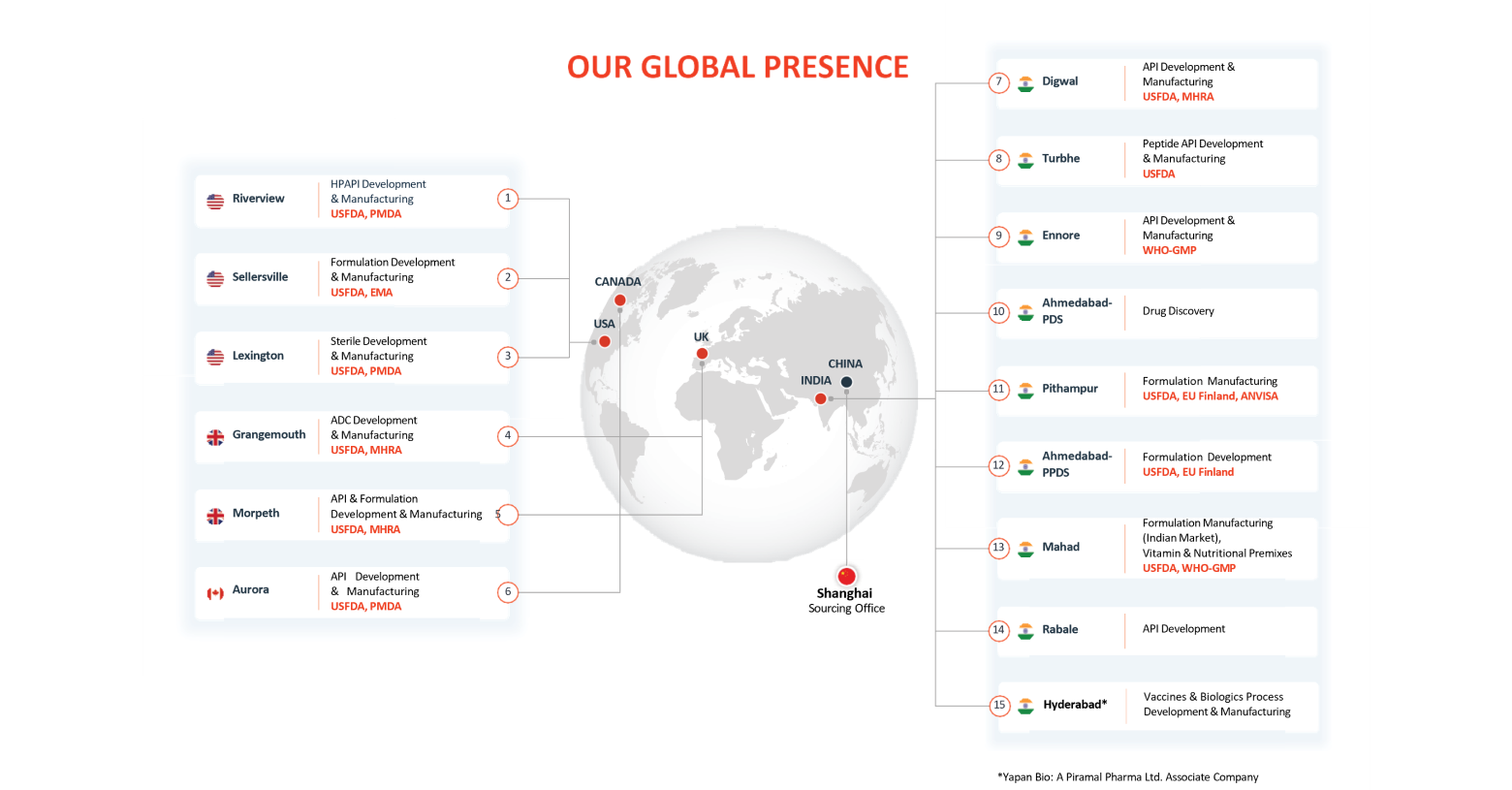
Piramal Pharma Solutions (PPS) is a Contract Development and Manufacturing Organization (CDMO) offering end-to-end development and manufacturing solutions across the drug life cycle. We serve our customers through a globally integrated network of facilities in North America, Europe, and Asia. This enables us to offer a comprehensive range of services including drug discovery solutions, process and pharmaceutical development services, clinical trial supplies, commercial supply of APIs, and finished dosage forms. We also offer specialized services such as the development and manufacture of highly potent APIs, antibody-drug conjugations, sterile fill/finish, peptide products and services, and potent solid oral drug products. PPS also offers development and manufacturing services for biologics including vaccines and gene therapies, made possible through Piramal Pharma Limited';s associate company, Yapan Bio Private Limited.