Advances in payload-linker technology have made antibody-drug conjugates (ADCs) a major therapeutic modality. After decades of unfulfilled promise, ADCs have rapidly emerged as a key part of the anticancer drug toolkit in recent years. Currently, drug developers are striving to achieve greater selectivity and safety in the next wave of ADCs. Payload-linker selection is, once again, vital to these initiatives, making the choice of an experienced development and manufacturing partner a key decision in the highly competitive ADC market.
The idea of attaching a targeting moiety to a therapeutic payload to enable precise delivery to diseased cells dates back decades and the FDA first approved an ADC, Wyeth-Ayerst's Mylotarg, in 2000.1 However, over the following 18 years, the FDA only approved another four ADCs.
Payload-linker breakthroughs helped turn the early trickle of ADC activity into a torrent. The FDA approved three ADCs in 2019, and the strategy then became the subject of a series of multi-billion dollar deals. PhRMA tracked a more than 30% increase in the number of ADCs in clinical development between 2018 and 2023.2,3 In this paper, we discuss the current landscape and what companies should look for in a payload-linker provider.
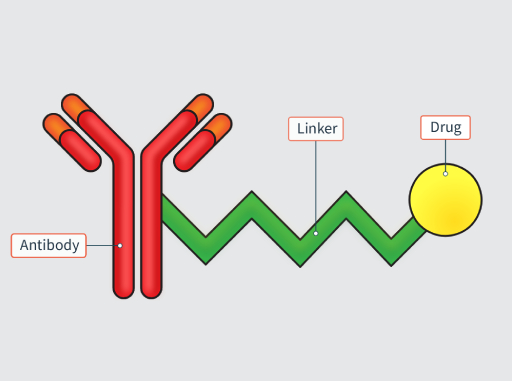
Linkers form the chemical connection between the payload and targeting moiety. In ADCs, the targeting moiety is an antibody, and the payload is typically a cytotoxic molecule, such as a topoisomerase I inhibitor. Linkers can also connect other targeting moieties and payloads, for example by attachment to antibody fragments, other proteins, or PROTACs.
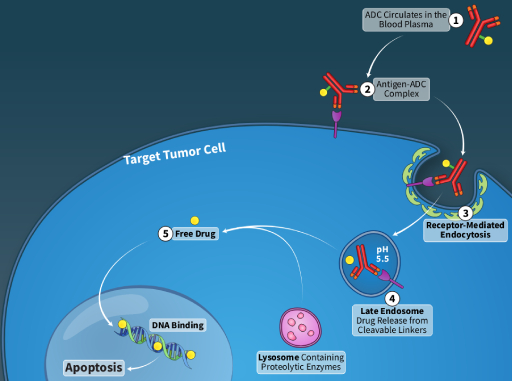
The linker should be stable enough to keep the antibody attached to the payload when the conjugate is in circulation but also needs to efficiently release the payload once it reaches the target cells. Striking the right balance is vital to optimizing the risk-benefit profile for the targeted patient population.
Linkers can be characterized as cleavable or non-cleavable. Cleavable linkers release their payloads when exposed to certain conditions, such as the presence of enzymes that are found in the tumor microenvironment. Non-cleavable linkers release the payload after the ADC is internalized by the target cell while the antibody portion is degraded inside the lysosome. The additional stability of non-cleavable linkers increases their half-life and reduces the risk that an ADC will release its payload prematurely and harm healthy tissue
Those benefits are offset by the limitations of non-cleavable linkers, such as restrictions on the types of cytotoxic drugs they work with and lower efficacy in solid tumors where the rate of diffusion influences outcomes. There are pros and cons to linkers within each category, creating a wide range of options with significant implications for the success of a candidate ADC.
Choosing the right option is vital, given the intense competition for many ADC targets. In many cases, ADCs are competing against other modalities, such as bispecific antibodies, that are aimed at the same targets. This means 3 that ADC developers need to move fast to expertly design an optimal payload-linker system to ensure their candidate is differentiated.
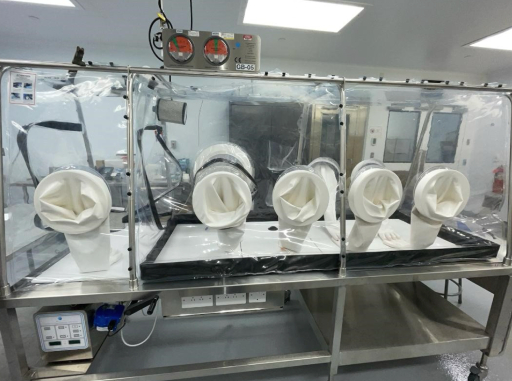
Piramal Pharma Solutions is empowering its partners to succeed in the ADC market. Working out of its Riverview, Michigan HPAPI site, the company provides custom, non-commercially available payload-linkers. These payload-linkers are dissimilar to off-the-shelf products that are offered by some other companies. By creating the right material for each project, Piramal is helping companies to stand out in a competitive landscape.
Piramal is experienced at working with a wide range of linkers, including those that are cleaved by enzymes or degraded chemically at a certain pH. Leveraging its chemistry expertise, Piramal can handle standard maleimide and active ester linkers as well as more specialized disulfide technologies capable of attaching multiple payloads. This expertise allows Piramal to manage the instability associated with some chemistries.
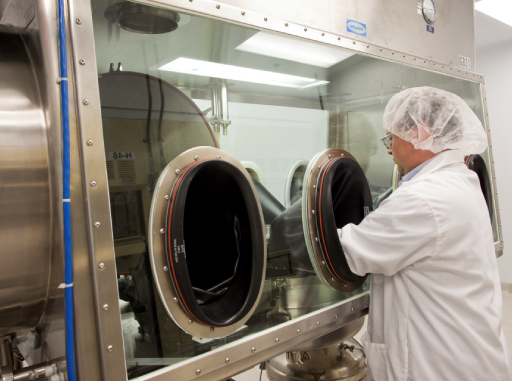
The Riverview site has dedicated laboratories to handle the HPAPI payload-linker assembly and purification. Using either permanent or disposable isolators, the facility can currently handle up to ca 100-200g of material. Piramal has equipped the site to perform chemical synthesis in up to 50L reactors, purifications by flash chromatography and preparative-scale HPLC in addition to isolation by traditional precipitation/crystallization methods or lyophilization.
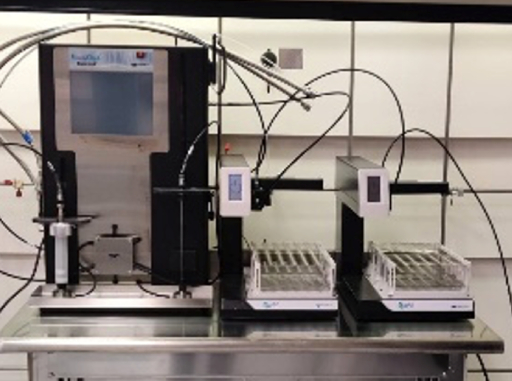
The site is currently expanding its HPAPI facilities and bringing online a new 1070ft2 state of the art laboratory, equipped to handle HPAPI as low as 10ng/ m3 . This includes investments in larger scale preparative HPLC equipment and lyophilization technologies, to facilitate faster scale up and shorter manufacturing cycles. The Riverview site has performed process research, development, optimization and scale-up for both standard and high potency payload-linkers and, overall, has worked on 19 FDA manufacturing approvals.
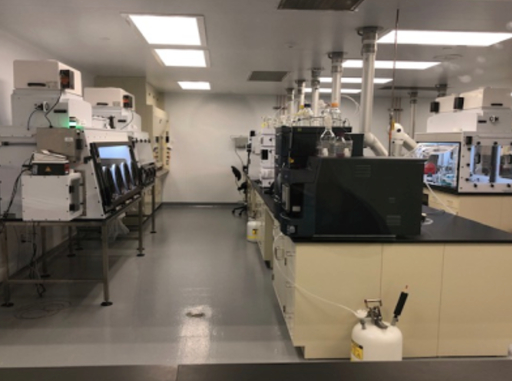
The company has deployed these capabilities to create a variety of linkers for delivering a wide range of payloads such as MMAE, MMAU, Exatecan, and Doxorubicin. The broad structural diversity among linkers and payloads allows for numerous rational design strategies, supporting the tailored assembly of linker-payload constructs to meet specific therapeutic or functional objectives.
Riverview also benefits from its position in Piramal';s fully integrated ADC service offering, ADCelerate™. Similar to other API programs, Piramal facilities in India provide the Riverview site with advanced intermediates, helping Piramal to keep its payload-linker cost competitive in the global marketplace as well as generating synergy within the development and manufacturing timeline.
The integration with the Indian sites is proving to be particularly valuable as drug developers start to explore the use of ligands to conjugate targeting molecules and payloads. Piramal's facilities in India offer development and manufacturing capabilities for non-high-potency starting materials and intermediates, including small molecules and peptides. This integrated support accelerates Riverview's payload-linker development and expedites the delivery of toxicology and GMP materials.
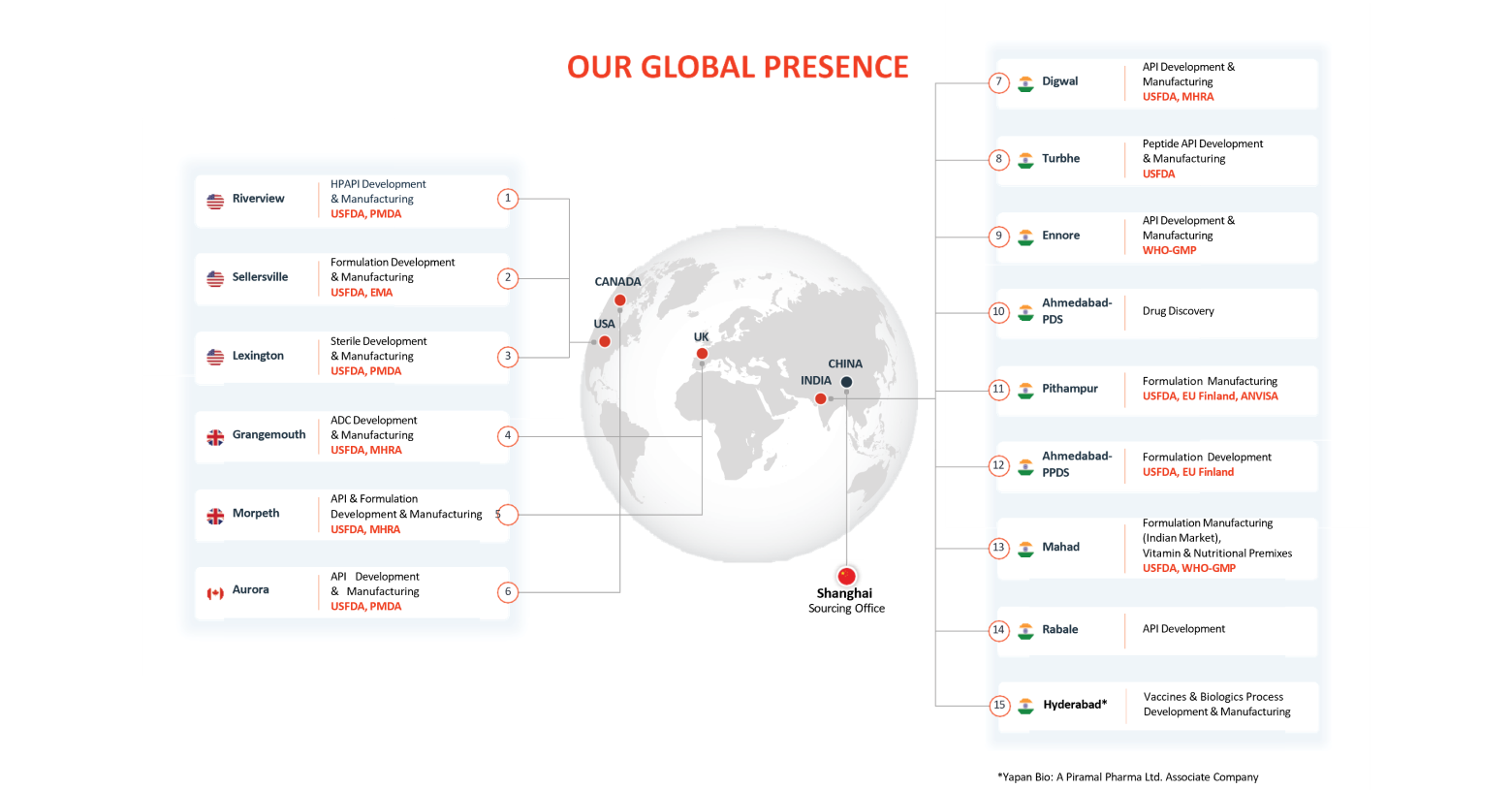
While some companies only source payload-linkers from Piramal, an increasing number of customers are seeking integrated solutions that leverage the capabilities upstream and downstream of Riverview for the complete assembly of an ADC. Piramal produces monoclonal antibodies at our Yapan site in India and performs the conjugation of payload-linkers in Grangemouth, UK, which has worked on more than 200 distinct conjugates over 20+ years in the ADC space. Across these three sites, Piramal can prepare the individual parts of ADCs and combine them to create therapeutic agents. A fourth site, in Lexington, USA, handles sterile fill/finish and completes the end-to-end offering.
Efficient execution of activities involved in the generation and assembly of ADC components significantly accelerates development timelines. At Piramal, early and seamless coordination across sites enhances project delivery. The discovery services team in India synthesizes starting materials and intermediates, enabling the Riverview site to rapidly and cost-effectively complete payload-linker production. By leveraging parallel development and staggered manufacturing across both locations, Piramal streamlines workflows, shortens lead times, and ultimately expedites patient access to life-changing therapies.

Piramal's integrated capabilities and payload-linker expertise make the company a partner of choice in the competitive ADC industry. With its custom payload-linkers and ability to handle compounds with a range of potencies, Piramal helps its partners develop differentiated treatments that meet the needs of patients. Companies that work with Piramal benefit from global capabilities across discovery to clinical, supporting the cost-effective acceleration of payload-linker technologies and integrated ADC projects.
References
1. Application Number: NDA 211744. https://www.accessdata.fda.gov/drugsatfda_docs/nda/2000/21174_MYLOTARG_chemr.pdf.
2. 2023 Medicines in Development ̶ Cancer. https://cdn.aglty.io/phrma/global/resources/import/pdfs/MID-Cancer_2023_Drug%20List_10212023.pdf.
3. 2018 Medicines in Development for Cancer. https://cdn.aglty.io/phrma/global/resources/import/pdfs/2018-Cancer-Drug-List.pdf.
Further White Paper Reading
Lyophilization Capabilities
Payload-linkers and Other ADC Products
Integrated ADC Services
Integrated Services
Piramal Pharma Solutions (PPS) is a Contract Development and Manufacturing Organization (CDMO) offering end-to-end development and manufacturing solutions across the drug life cycle. We serve our customers through a globally integrated network of facilities in North America, Europe, and Asia. This enables us to offer a comprehensive range of services including drug discovery solutions, process and pharmaceutical development services, clinical trial supplies, commercial supply of APIs, and finished dosage forms. We also offer specialized services such as the development and manufacture of highly potent APIs, antibody-drug conjugations, sterile fill/ finish, peptide products and services, and potent solid oral drug products. PPS also offers development and manufacturing services for biologics including vaccines and gene therapies, made possible through Piramal Pharma Limited's associate company, Yapan Bio Private Limited.