By diverging from the common path of the volume- and product-driven drug development and discovery process, the company believes they can better serve customers and patients alike. This organizational and cultural shift is ahead of the curve, particularly as key trends like personalized medicine and patient demand for transparency continue to influence the pharmaceutical supply chain.
To catalyze this change, Piramal Pharma Solutions (PPS) has taken meaningful steps to make patient centricity fundamental to its corporate structure and mindset. By shifting its focus from products to patients, PPS is seeking to enhance patient lives while strengthening customer relationships.
“Patient centricity is about more than running a business,” said Peter DeYoung, CEO of Piramal Global Pharma. “It';s a circular relationship between the CDMO [contract development and manufacturing organization], pharma sponsor, and patient. As an industry, we must recognize and take ownership of our responsibility to patients.”
Patient centricity means putting a human face to those that utilize the company's drug products and drug solutions. By making its staff knowledgeable about the ways their work is supporting the health— and sometimes saving the lives—of real people, PPS aims to reinforce its care for the personal side of drug production.
To usher in this new company vision, Chief Commercial Officer Stuart Needleman has been appointed to the additional role of Chief Patient Centricity Officer with the mandate to expand the culture of patient-focused care across the entire organization. A longstanding veteran in the pharmaceutical and biotech industries, Mr. Needleman has significant experience supporting customers and advocating for patients. Furthermore, Mr. Needleman has experienced first-hand how pharmaceutical products can benefit the lives of patients in real life.

He explained, “When a member of my family was diagnosed with a neurologically based disorder called misophonia, I personally witnessed how impactful finding the proper drug treatment can be. Knowing that our work at PPS can help a family like mine inspires what I do everyday.”
Discussing his long-term goals for the program, Mr. Needleman said education and empathy are key. “We're educating our staff to let them know the indications for the solutions and products being developed at our sites. By putting a human face to the work that we're doing, we also hope to positively impact operations, services, and partnerships.”
To further reinforce this initiative, the company established a Patient Centricity Council at all PPS locations. Each Council consists of eight to 12 employee volunteers in varying roles and levels of responsibility within the organization. Council members are selected in good standing for their leadership among peers, sharp critical thinking and communication skills, and strong display and enthusiasm for the patientcentric mentality. These team leaders are tasked with implementing initiatives and promoting momentum towards change at their site. Monthly Council meetings are held to create awareness for new projects. In their daily roles, stewards of the program help to emphasize the core principles of the campaign.
Key goals of the Council include:
● Creating awareness for the patient perspective of each project
● Ensuring operational systems and processes recognize and impact patient well-being, and adjusting when existing protocols do not meet the new standard
● Promoting intended results for improving and saving lives
● Stressing the importance of meeting customer expectations for project delivery
● Displaying a commitment to making a difference in patient's lives
To facilitate the Council's efforts, PPS brought in noted communications trainer, speaker and author Dave Mitchell. Using his expertise in organizational development, Dave trained Council members on understanding how the concept of patient centricity relates to the organization's horizontal alignment. This is a critical step in turning the concept into a reality.
As the Council continues its work, PPS is looking to collaborate with its customers and with patients. The company is eager to share the stories of patients with staff so they can be better familiarized with the communities relying on the products they're developing. “Sharing these patients' stories demonstrates to our staff how the drug substances or drug solutions they're producing are making lives better—or frankly in some cases even possible,” noted Mr. DeYoung.

This patient-centric approach is increasingly visible in the business and organizational decisions being made at PPS, demonstrating the company's unwavering commitment to its new ethos. For instance, the company's Lexington, KY-based drug product site was approached by a customer to produce an orphan drug that impacts just three in 100,000 births. The life expectancy of those with the rare pediatric condition is very low, and the risk of early death increases with age. Children with the infantile form of this disease die prematurely and this drug is the only treatment available in the market.
Despite the relatively low need for this drug, PPS decided to partner with this customer because of its deep belief in patient-centric support. PPS assisted this customer with manufacturing and supplied clinical batches of the injectable drug. Furthermore, PPS went on to support the drug's commercialization, choosing patient care over profit.
In yet another example, PPS helped with the emergency production of an injectable drug for the treatment of multiple cancers including myeloma, brain tumors, Hodgkin's disease, and non-Hodgkin's lymphoma, among others.
When the FDA ed PPS's customer to a potential shortage in the drug market due to issues with another manufacturer, the agency requested an increase in its production. PPS stepped into action to adapt its site to deliver the demand for higher volumes of the drug, working extra shifts to help fill the gap, all without disrupting other projects.
“Our responses in both these situations are guided by our patient-centric approach,” said Mr. Needleman. “Our responsibilities extend beyond the delivery of pharmaceuticals and we have a duty to adapt to the wider conditions facing our patients.”
Council members are developing creative and insightful ways to inspire a patient-centric approach across the organization. From monthly newsletters and staff surveys to product education sessions to promoting best practices, the Council is impacting the mentality and productivity of workers on site.
One of the most inspiring examples of how Piramal is bringing patient centricity to life can be seen when a patient visits a PPS site. Imagine the power of hearing representatives of a pharmaceutical company discuss a specific health condition and the treatment they have innovated for it, then hearing an actual patient describe how that treatment has changed their life. For workers at the site, the reality of patient centricity becomes crystal clear as they see the effect their work can have on a real person and his or her family. They see first-hand that their work is not just chemistry, manufacturing, or administration; they realize they are in the business of reducing the burden of disease on a person who has hopes and dreams of their own.
In another recent campaign, team leaders shared the story of the film Lorenzo's Oil, which puts a spotlight on two parents dealing with their son's diagnosis with adrenoleukodystrophy (ALD)—a rare and lifethreatening neurological disease. Staffers were invited to watch the film, which was based on true events and depicts the parents' quest to find a viable medical treatment for their son, Lorenzo.
This Patient Centricity Council inspired their team by sharing these motivational messages. It clearly illustrated how numerous lives can benefit from a compassionate approach to the drug development process. The staff was able to make the connection between the work they contribute to and the health and well-being of the patients that rely on them.
Momentum for this patient-focused ideology continues to grow at PPS as the organization is spearheading long-term, ongoing efforts across all its global locations. Meaningful awareness initiatives for staff partnered with findings and recommendations by the Council will further solidify patient centricity as a cornerstone of the Piramal Pharma Solutions business.
“Every day at every level of the organization, we are putting patients first,” concluded Mr. Needleman. If you'd like to know more about the ways Patient Centricity at PPS can support your next project, contact our Chief Patient Centricity Officer at stuart.needleman@piramal.com.


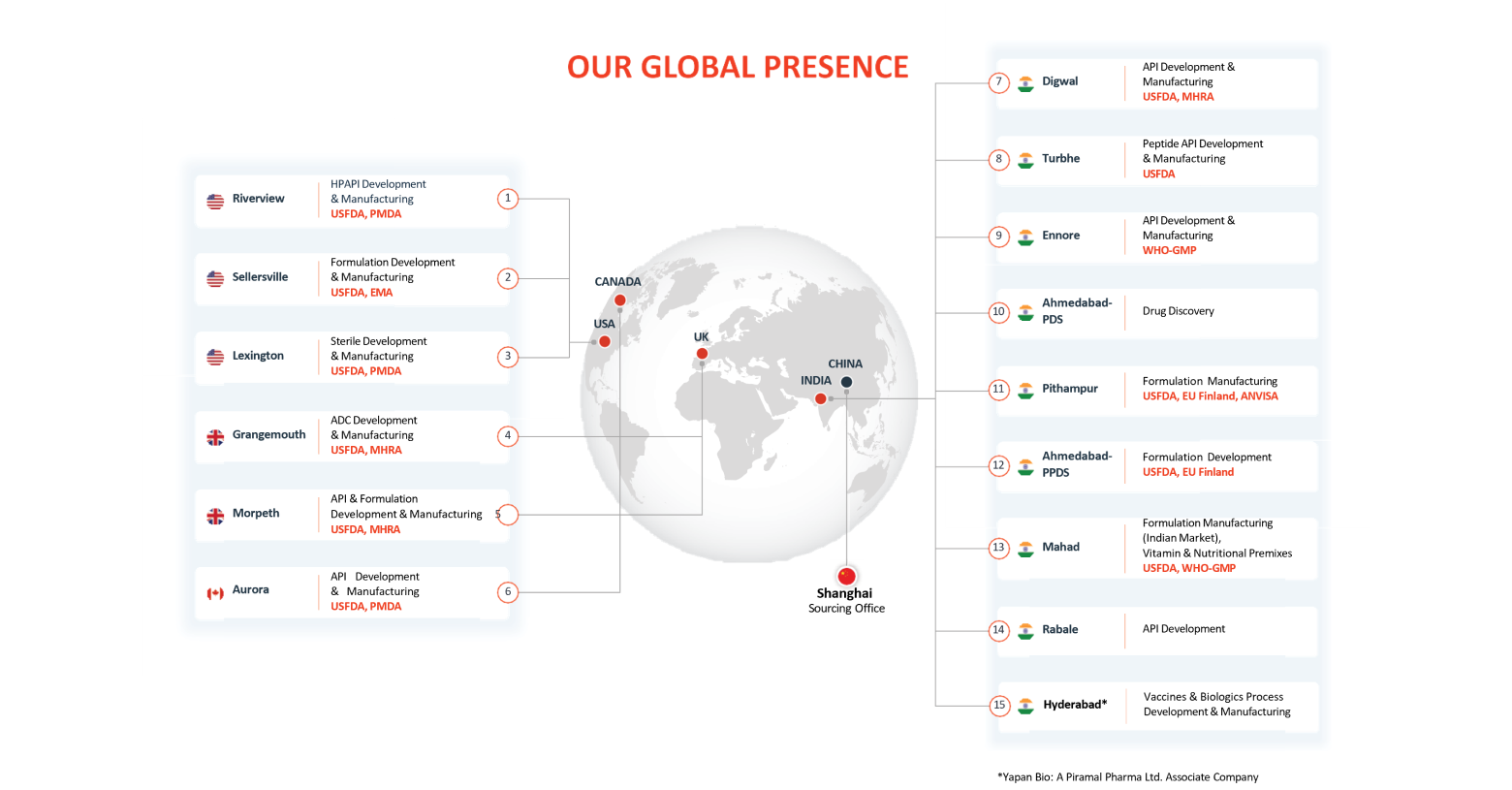
Piramal Pharma Solutions is a contract development and manufacturing organization (CDMO), where everything we do, we do for the patient. The company specializes in integrated services and end-to-end development and manufacturing solutions across the drug life cycle. We serve our clients through a globally integrated network of facilities in North America, Europe, and Asia. This enables us to offer a comprehensive range of services including drug discovery solutions, process and pharmaceutical development services, clinical trial supplies, and commercial supply of APIs and finished dosage forms. We also offer specialized services like the development and manufacture of highly potent APIs, antibody drug conjugations, and manufacturing of hormonal drugs. Our capability as an integrated service provider and experience with various technologies enables us to serve innovator and generic companies worldwide. Our development centers and manufacturing sites have accreditations from regulatory bodies in the U.S., Europe, and Japan. With a pool of 700+ scientists including 150 Ph.D.s across the globe, we are committed to research and development programs.