

Therapeutic peptides are unlocking new, more effective ways to treat disease. Combining some of the key benefits of small molecules and antibodies, the modality has moved to the forefront of R&D over the past decade as new production, modification, and analytic technologies have advanced the field. Yet, the molecules have a notable weakness: they are naturally ill-suited to oral drug delivery. To overcome that limitation, Piramal Pharma Solutions has added advanced peptide formulation expertise and capabilities.
Peptides, molecules that contain up to 50 amino acids, are the smaller siblings of proteins. As proteins such as monoclonal antibodies became a key component of drug development pipelines, peptides were held back by pharmacokinetic problems such as plasma stability, membrane permeability, and circulation half-life. Insulin, a molecule composed of 51 amino acids, was a rare exception to the rule. In recent years, researchers have expanded the arsenal of therapeutic peptides, creating blockbuster drugs such as semaglutide and liraglutide in the process, and spurred increased interest in the modality by overcoming some of its pharmacokinetic limitations. The resolution of the barriers to the therapeutic use of peptides has revealed a modality with attractive characteristics.
Like therapeutic proteins and antibodies, peptides bind to cell surface receptors and trigger intracellular effects with high affinity and specificity, but without the level of immunogenicity and high production costs associated with the more-established modalities. Equally, the fact that peptides are several times larger than small molecules — and have a flexible backbone — makes them more specific and enables inhibition of protein-protein interactions (PPIs). PPI inhibition is a way to address “undruggable” targets. To realize the potential of peptides, drug developers need to address membrane permeability and in vivo stability. Typically, peptides cannot cross cell membranes, preventing their use against the intracellular targets that are central to many disease pathways. Peptides, lacking secondary or tertiary structures, also typically have poor stability in vivo because their amide bonds are hydrolyzed or destroyed by enzymes. The molecules have a short half-life and are quickly eliminated.
The poor stability makes oral delivery particularly challenging. After oral administration, peptides must survive the harsh, highly acidic environment found in the gastrointestinal tract and resist degradation by peptidase enzymes. Unintended thiol/disulfide exchange reactions with endogenous thiols are another threat to peptides after oral administration.
Such stability issues make it challenging to deliver peptides in the oral format that is most convenient to patients, particularly children, seniors, and people in low-resource countries. Responding to the delivery challenges, the drug formulation industry has created technologies that are making patient-centric oral peptide products a reality.
The simplest solution to the oral delivery challenge is brute force. By administering peptides at quantities well above the therapeutic dose, developers can ensure that enough molecules survive the conditions in the gastrointestinal tract to reach their targets and have the desired effect. That approach increases the cost, though, and has been supplanted by more refined solutions to the oral bioavailability problem.
Today, drug developers can deploy solutions including permeation enhancers, lipid-based formulations, and orally disintegrating dosage forms (ODDF) when seeking to deliver peptides orally. The technologies underpin oral formulations of a range of peptides that are in clinical development and approved for use in major markets.
Decades of development and refinement of peptide drug delivery systems culminated in 2019 with the landmark approval of Novo Nordisk';s oral semaglutide by the US Food and Drug Administration (FDA) and European Medicines Agency. After winning regulatory approval for a subcutaneous injection version of semaglutide, Novo Nordisk co-formulated the peptide with a transcellular permeation enhancer to create the first oral glucagon-like peptide-1 receptor agonist.
Oral semaglutide, with its long half-life, provides stable steady-state concentrations when administered once a day, and the formulation performed comparably to established treatments in terms of its effect on body weight and blood sugar in clinical trials. The successful drug development project has validated the concept of oral peptide delivery and helped advance work on other molecules.
The pipeline features multiple attempts to deliver insulin orally, reflecting the burden daily injections impose on people with diabetes and the potential for a new, more convenient route of administration to alleviate them. Diabetology is using a mixture of a solubilizer and permeation enhancer to deliver insulin orally in an enteric coated capsule; Diasome is loading the hormone on to lipid bio-nanoparticles to reach the liver; and Biocon is working on a chemically modified, PEGylated alkylated insulin prodrug.
Other groups are delivering insulin and different peptides as self-disintegrating oral solid dosage forms. Oshadi Drug Administration and Technische Universität München are among the organizations to explore the delivery of insulin via disintegrating tablets.
Early progress is stimulating more innovation, and the stage is set for lipid-based nanocarriers to play a bigger role in the next wave of oral peptide drug candidates. The description of pharmaceutically acceptable lipid nanocarriers in compendial texts, as well as their inclusion in the FDA';s list of inactive ingredients that are allowed in oral formulations, has cleared barriers to the use of the delivery format.
Multiple options are open to researchers, including oil-in water nanoemulsions, self-emulsifying drug delivery systems, solid lipid nanoparticles, nanostructure lipid carriers, and liposomes and micelles. The expanding set of oral peptide delivery technologies is empowering drug developers to pick the right tool for each task — while also emphasizing the need for partners that understand the respective strengths of each technology and have the capacity to deploy them at scale.
The following peptides are either marketed for oral administration or are being developed to be administered orally either linked to permeation enhancers, or in Lipid based formulations as well as in orally disintegrating dosage forms (ODDF) which are formulations that can ensure easy-to-administer medication to a wider patient population including paediatrics, geriatrics and people in low-resource countries.
| Approach | Peptide/Protein | Dosage form | Comments | Company | Stage | Ref |
| Permeation enhancer | Insulin | Enteric-coated capsule | Formulation contains a mixture of solubilizer and permeation enhancer (aromatic alcohols) | Diabetology | Phase II | [13,14] |
| Permeation enhancer | Insulin | Capsule | Bile salts were used as permeation enhancer and aprotinin as protease inhibitor | Oramed Pharmaceutics | Phase II | [15-17] |
| Permeation enhancer | Leuprolide | Tablet | Lyophilized leuprolide with maltodextrin, citric acid and acyl carnitine | Enteris BioPharma | Phase II | [18,19] |
| Permeation enhancer | Parathyroid hormone (PTH) | Tablet | 5-CNAC (8-(N-2-hydroxy-5-chloro-benzoyl)-amino-caprylic acid is used as permeation enhancer | Novartis | Phase II | [20] |
| Permeation enhancer | Salmon calcitonin | Tablet | 5-CNAC is used as permeation enhancer. The combination of 5-CNAC forms with salmon calcitonin insoluble carriers at low pH, avoiding enzymatic degradation in the GI-tract. | Nordic Biosciences | Phase III | [21,22] |
| Permeation enhancer | Salmon calcitonin | Enteric-coated capsule | * | Proxima Concepts Ltd | Phase III | [23,24] |
| Permeation enhancer | Salmon calcitonin | Tablet | * | Tarsa Therapeutics | Phase III | [24-26] |
| Permeation enhancer | Semaglutide | Tablet | SNAC (sodium N- [8-(2-hydroxybenzoyl) amino caprylate) is used as permeation enhancer) | Novo Nordisk | approved | [27,28] |
| Lipid-based formulation | Cyclosporine | Capsule Solution | Self-emulsifying drug delivery system forming in contact with GI fluid a homogeneous microemulsion | Novartis | approved | [29,30] |
| Lipid-based formulation | Exetanide | Capsule | Formulation consists of omega-3 fatty acid as a carrier and soy bean trypsin inhibitor as a protease inhibitor and sodium EDTA as a permeation enhancer | Oramed Pharmaceutics | Phase I | [31] |
| Lipid-based formulation | Insulin | Gel capsules | Liposomes with a size < 150 nm diameter loaded with insulin | Diasome | Phase II | [14,32] |
| Lipid-based formulation | Insulin | Enteric-coated tablet | Micelles based on medium-chain fatty acid glycerides | Novo Nordisk | Phase II | [14,19] |
| Lipid-based formulation | Insulin | Solution (Buccal spray) | Micelles > 7 nm in size delivering insulin to the oral mucosa. | Generex | Phase III | [33] |
| Lipid-based formulation | Octreotide | Capsule | Oily suspension based on transient permeation enhancer | Chiasma | approved | [34,35] |
| Chemical modification | Dolcanatide | Tablet | * | Synergy Pharmaceuticals | Phase II | [36,37] |
| Chemical modification | Desmopressin | Tablet | Certain L-amino acids are substituted by D-amino acids | Ferring Pharmaceuticals | approved | [19,38] |
| Chemical modification | Insulin | Tablet | PEGylated alkylated insulin prodrug | Biocon Ltd | Phase I | [17,39] |
| Chemical modification | Linaclotide | Capsule | Inhibitor cystine-knots (ICKs), also called knottins containing macrocycles formed by disulfide bonds between cysteines I and IV and II and V | Ironwood Pharmaceuticals | approved | [40] |
| Nanoparticles with hydrophobic surface | Insulin | Capsule | Silica nanoparticles with hydrophobic surface and branched polysaccharide | Oshadi DrugAdministration | Phase II | [41] |
| pH sensitive formulation | Plecanatide | Tablet | Microcrystalline cellulose based formulations | Synergy Pharmaceuticals | approved | [42] |
Haddadzadegan et al, Advanced Drug Delivery Reviews 182 (2022) 114097
Other clinical trials that are registered at clinicaltrials.gov and that involve a self disintegrating oral solid dosage form include:
| TPP | Sponsoring company | Disease or purpose of the study | Mode of Administration | Clinical trial status | Trial Number |
| Insulin | Oshadi Drug Administration | Diabetes | Oral | Phase I | NCT01120912 |
| Insulin | Technical university of Munich | Type 1 diabetes | Oral capsule | Phase II | NCT03364868 |
| Insulin | Oshadi Drug Administration | Type 1 diabetes | Oral | Phase II | NCT01973920 |
| Insulin | Technical university of Munich | Type 1 diabetes | Oral capsule | Phase II | NCT02620072 |
| Insulin | Oramed Ltd | Type 2 diabetes | Oral | Phase III | NCT04754334 |
| Leuprolide | Enteris Biopharma Inc | Endometriosis | Oral tablet | Phase II | NCT02807363 |
| Parathyroid hormone | Rani Therapeutics | Hypoparathyroidism | Oral RaniPill® capsule | Phase I | NCT05164614 |
| Parathyroid hormone | Entera Bio Ltd | Hypoparathyroidism | Oral | Phase II | NCT03516773 |
| Salmon calcitonin | Nordic Bioscience A/S | Osteoarthritis | Oral tablet | Phase III | NCT00704847 |
| GABA (B) R1 (extracellular) blocking peptide (GB001) | Gossamer Bio Inc | Chronic rhinosinusitis | Film-coated oral tablet | Phase II | NCT03956862 |
| — | Zhejiang Echon Biopharm Limited | Observational study | Buccal spray | Phase I | NCT05125211 |
| Oral peptide BBT-401–1S | Bridge Biopharmaceutics | Ulcerative colitis | Oral capsule | Phase I | NCT03482648 |
| Grass pollen peptide (gpASIT+TM) | BioTech Tools S.A. | Seasonal allergic Rhinoconjunctivitis | Entero-coated capsules | Phase I | NCT00813046 |
| Optiquel® (B27PD) | National Eye Institute (NEI) | Uveitis | Oral capsule | Phase I/II | NCT01195948 |
| MV130 (whole-bacteria vaccine) | Immunotek S.L. | Induction of trained immunity | Sublingual suspension | Phase I/II | NCT05208060 |
Bashir et al, European Journal of Pharmaceutical Sciences 182 (2023) 106374
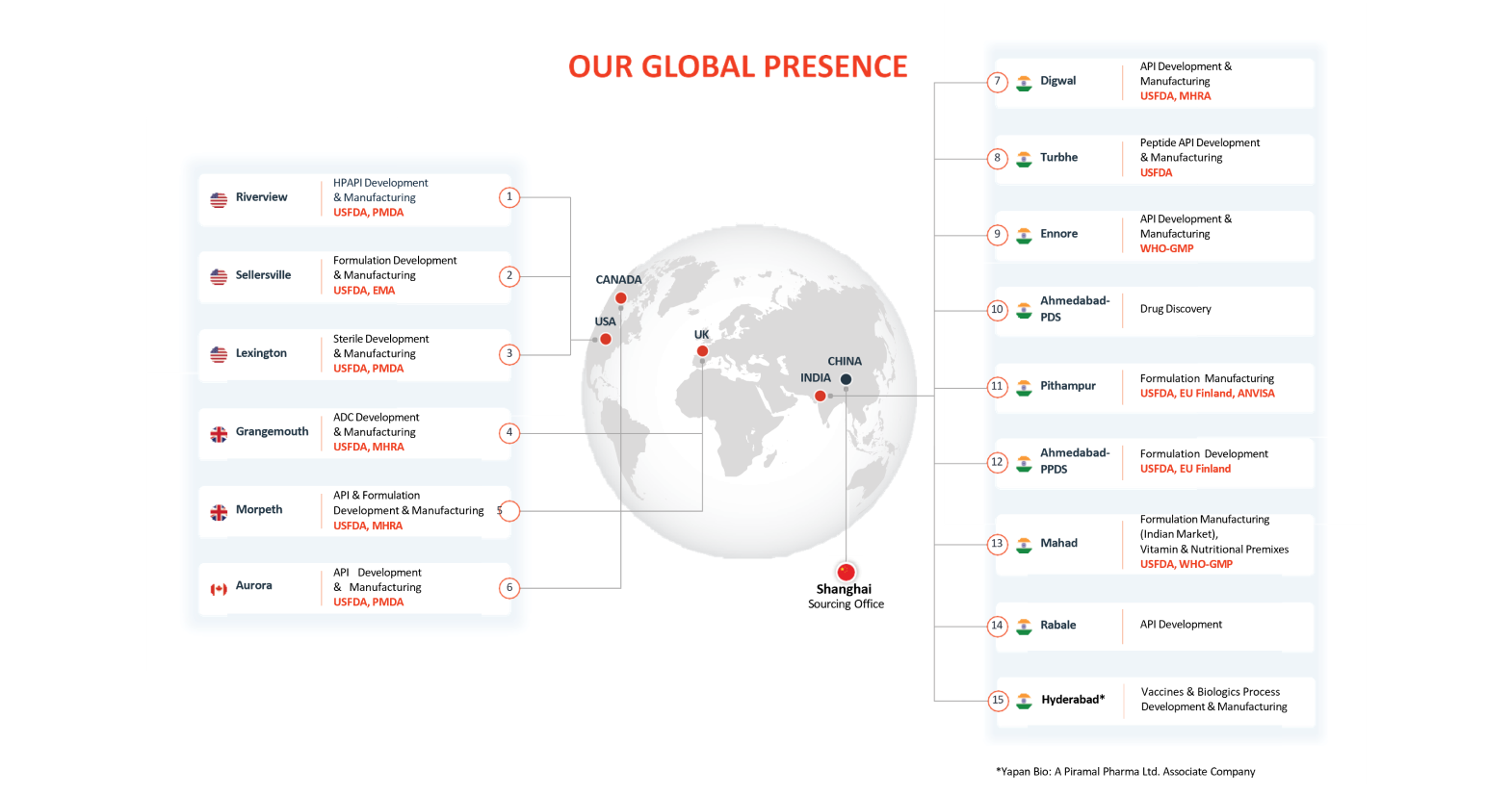
Piramal has a track record of successfully supporting the development and production of oral peptide therapeutics. The company';s facility in Turbhe, India, which has approvals from regulatory agencies in the European Union and the US, has extensive experience of the synthesis and chemical modification of peptides.
Those capabilities are complemented by Piramal's facility in Morpeth, UK. The Morpeth site has in-house expertise in the formulation of oral solid dosage forms containing peptides. Together, the Turbhe and Morpeth facilities give Piramal a unique combination of capabilities that includes deep experience in the manufacturing and purification of synthetic peptides by solid phase and liquid phase approaches,as well as hands-on experience of formulating peptides with delivery systems to improve oral bioavailability.
Piramal's offer goes well beyond the drug delivery technology itself. The company is equipped to deliver vertically integrated projects that bring together manufacturing of the peptide and the production of the finished dosage form, be it for commercial supply or a smaller-scale project for a specific clinical trial.
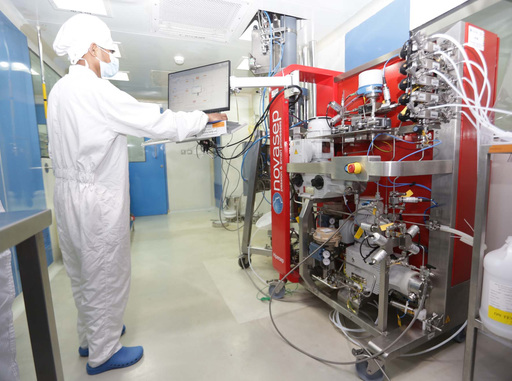
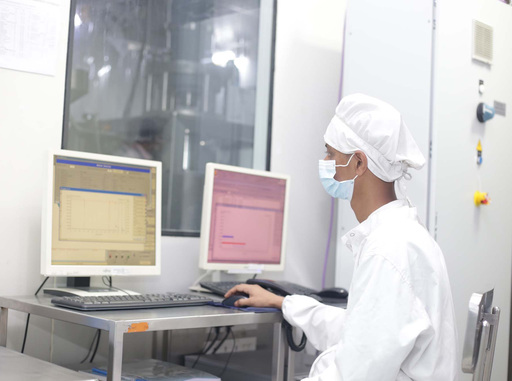
As more peptides advance through the clinic and onto the market, Piramal is scaling up its operation to meet rising demand. The Turbhe facility is currently equipped to produce more than 150 kg of peptides a year. Piramal is set to significantly increase that figure, with a major expansion project underway that will support a three-fold jump in capacity.
Piramal';s investment in the expansion reflects its recognition that capacity is one of the major challenges for any peptide manufacturer that wants to contribute to the fast-emerging oral space. By scaling up its operation, Piramal is positioning itself to support developers of oral peptide therapeutics as they work to create patient-centric products to address unmet medical needs.
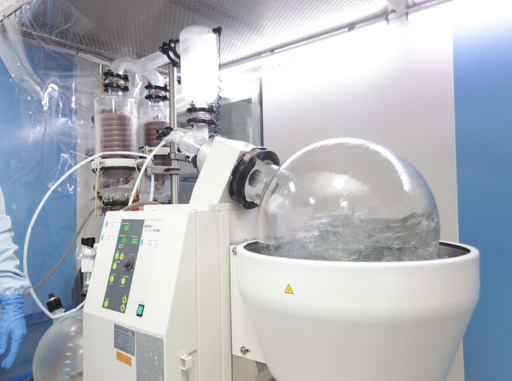
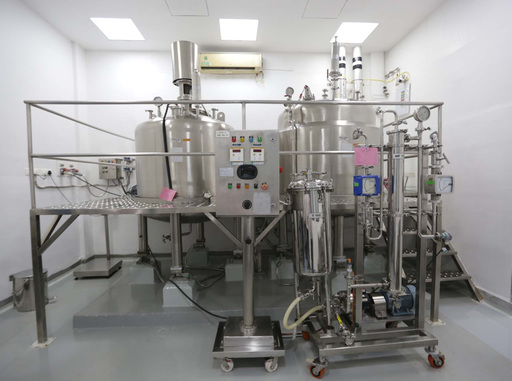
Piramal Pharma Solutions (PPS) is a Contract Development and Manufacturing Organization (CDMO) offering end-to-end development and manufacturing solutions across the drug life cycle. We serve our customers through a globally integrated network of facilities in North America, Europe, and Asia. This enables us to offer a comprehensive range of services including drug discovery solutions, process and pharmaceutical development services, clinical trial supplies, commercial supply of APIs, and finished dosage forms. We also offer specialized services such as the development and manufacture of highly potent APIs, antibody-drug conjugations, sterile fill/finish, peptide products and services, and potent solid oral drug products. PPS also offers development and manufacturing services for biologics including vaccines and gene therapies, made possible through Piramal Pharma Limited';s associate company, Yapan Bio Private Limited.