





Winning approval for a new molecular entity is just a staging post on the journey of a drug. To maximize the benefits of a therapy, drugmakers need to continue trying to improve the product life cycle and reach more patients after winning first approval. Such life cycle extension initiatives enhance the value of a molecule, both to patients and its manufacturer, but require specialized capabilities to execute effectively.
The commercial case for life cycle extension initiatives is clear. Innovator products enjoy a period of data and marketing protection after winning approval. In Europe, data exclusivity, the period of time in which off-patent drug developers cannot use the innovator';s data to seek approval, lasts eight years. Innovator companies have a further two years of market protection, in which time off-patent competitors cannot sell rival products even if they have marketing authorization. A similar situation exists in the US.
Life cycle extension initiatives are equally compelling from a medical perspective. After initially focusing on getting a new therapy to market, companies can use the post-approval period to make patient-centric improvements that enhance safety, effectiveness, convenience and access by introducing new strength, new indication, fixed dose combination, etc.
Developing a new molecule to replace a product threatened by off-patent competitors is expensive and has a low chance of success. Investments in life cycle extension initiatives are both more cost-effective and more likely to have the desired result. Winning approval in a new indication gives an additional period of market protection. Another protection extension is tied to pediatric drug development.
Life cycle extension investments can also increase the market share that a product retains after off-patent competitors come to market. Before the first approval, drug developers are focused on getting the new molecule to market as fast as possible to allow patients to start benefiting and to begin generating a return on their investment. The focus on quickly proving the clinical efficacy and safety of the molecule leads companies to use simple, well-established formulation and delivery technologies.
After winning approval, drugmakers have more scope to refine and optimize the product by combining their molecules with other drugs and adopting novel, patient-friendly formulations. Investments in such initiatives can create products that are more convenient for patients. If the convenience increases patient adherence to the therapy, outcomes may improve and physicians may favor the new formulation.

An example of the impact that life cycle extension initiatives can have is seen in Abilify (aripiprazole), launched in 2002. The US Food and Drug Administration (FDA) initially approved the drug as an oral tablet for
use in adults with schizophrenia. In the years after the initial approval, the innovator company introduced oral solution, oral disintegrating tablet and intramuscular injection versions of the product while simultaneously
securing authorization in more indications including bipolar mania, major depressive disorder and schizophrenia in adolescents.
Developing the new dosage forms improved the plasma concentrations, bioavailability and tolerability of the drug, while the additional indications expanded the total addressable patient population. The changes helped the innovator company grow sales of the brand from $25 million in 2002 to almost $3 billion a decade later. The FDA approved a once monthly extended release intramuscular injection before the expiration of the US patent, and a tablet with an embedded ingestible event marker after the expiration of the US patent.
The history of this example and other drugs demonstrates how drug developers who want to improve and extend the life cycles of their products have access to an array of options. Here, we look at some of the ways that companies can approach the task of maximizing the value of their approved medicines.
Product line extensions: Active combinations of different drugs are a well-established life cycle extension technique. By combining two complementary molecules, such as an antibiotic to treat infection and a steroid to address inflammation, drugmakers can create more effective, convenient products that extend the life cycles of their molecules. Fixed-dose combinations reduce the number of medicines a patient needs to take, potentially improving adherence to the treatment regimen, and realize synergistic therapeutic effects. The healthcare system can benefit from lower administrative costs and co-payments, too.

Examples of successful extensions include Vytorin (ezetimibe and simvastatin), a combination of cholesterol-lowering drugs Zocor (simvastatin) and Zetia (ezetimibe). The drugs have different mechanisms of action, with Zetia limiting cholesterol absorption in the digestive tract and Zocor restricting cholesterol production in the liver, so the combination made good medical sense. The combination also made good business sense, notably because the Zocor patent expired seven years before that of Zetia.
Next-generation products: The proliferation of new formulation and delivery technologies has opened up novel ways to extend the life cycles of medicines and expand their use into populations with specific needs, notably children and seniors. Today, advanced dosage forms such as dispersible tablets, mini-tablets, granules for reconstitution, and dispersible formulation are enabling patients to take their medicines in formats that are a better fit for their lifestyle and health status.
Such next-generation products have an advantage over conventional dosage forms. By making a product more convenient, for example by reducing dose frequency or making a drug easier to take while out of the house, companies can provide value beyond the molecule itself and keep a larger share of the market in the face of competition from cheaper off-patent rivals.
Next-generation products can also increase the number of patients who can benefit from a therapy. For example, people with dysphagia, a condition that affects 10% to 33% of older adults, struggle to swallow conventional oral dosage forms. Formulations such as dispersible tablets enable people with dysphagia to take a medication without requiring caregivers to crush the dosage form or otherwise use a medicine in an unlicensed way.

Similarly, next-generation products can open up pediatric markets by making it easier for children, who may struggle to swallow solid oral dosage forms or dislike how they taste, to take medicines. Developing drugs for children brings multiple benefits by increasing the addressable population, differentiating a product, and potentially extending the period of market exclusivity granted by regulatory agencies.
New indication: The overlap between the biology of some different diseases means a drug that is effective in one indication is likely to improve outcomes in a related condition. In cancer, autoimmune diseases, and other therapeutic areas, companies frequently expand into adjacent indications, thereby extending the protection period and expanding the addressable patient population.
Yet, many products miss out on the benefits of indication extensions. An analysis published in 2021 in the Journal of Pharmaceutical Policy and Practice, which evaluated 197 small molecules approved in the US between 1997 and 2020 that subsequently faced generic competition, found 68% of the drugs were only approved in one indication. The analysis suggests the developers of more than two-thirds of new small molecules are missing out on the benefits of indication extensions.
Drug developers need access to specialist capabilities, plus the expertise and resources to deploy them quickly and effectively, to identify and realize opportunities to extend the life cycles of their medicines. CDMOs can provide the required capabilities, but pharma companies need to choose their partners carefully.
With CDMOs working with multiple clients, including potential competitors, it is vital that confidentiality is maintained with other customers and that the existence of a project is never revealed to anyone outside of the working group within the service provider. The upshot is CDMOs need IT access controls to protect data, a secure data sharing mechanism with the customer, and policies and processes that protect each client';s intellectual property and trade secrets by maintaining confidentiality.
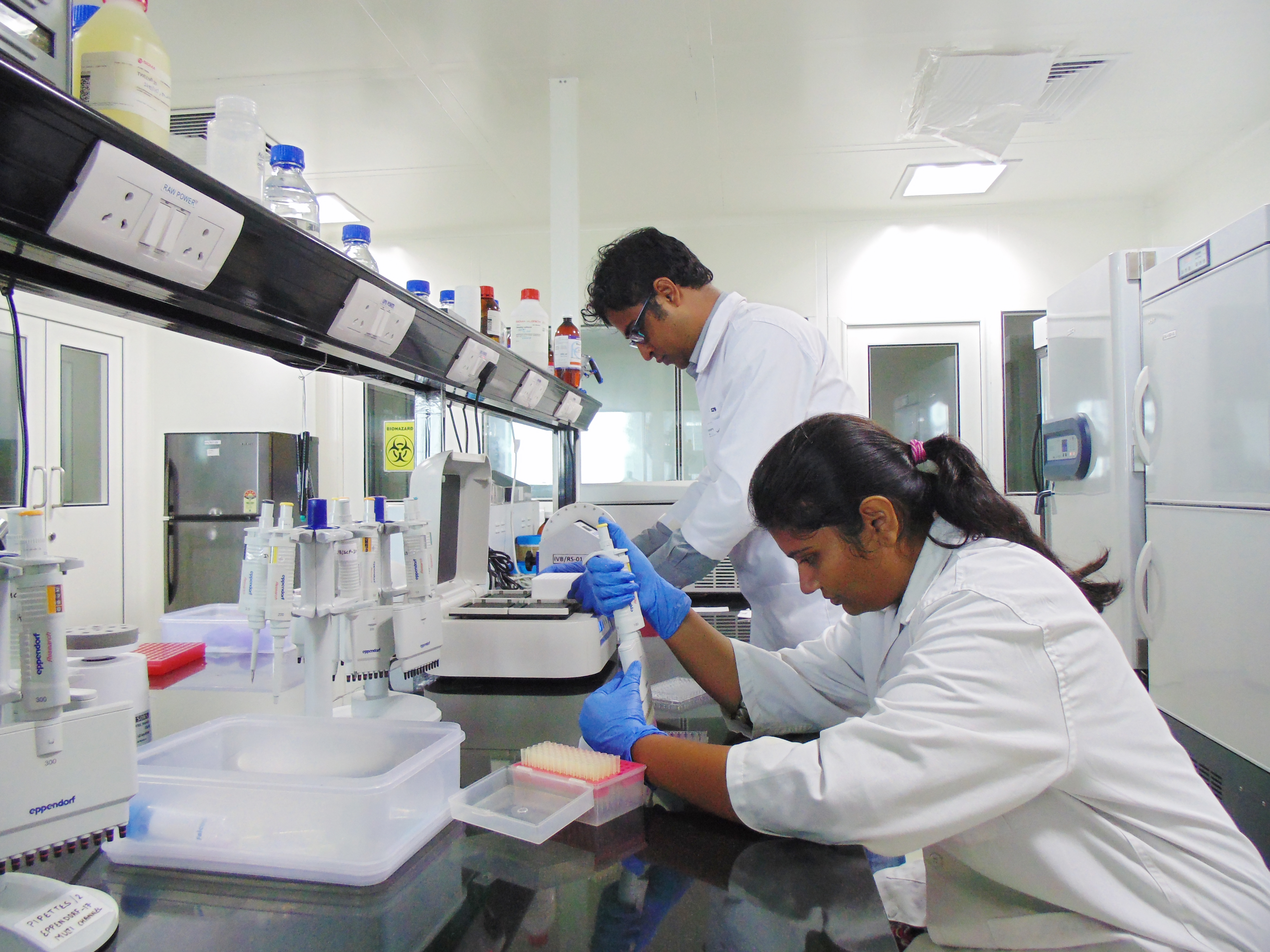
Piramal Pharma Solutions'; oral drug product development site in Ahmedabad, India is a rare example of a facility that has the required capabilities, expertise, resources and confidentiality practices to support life cycle extension initiatives.
From the site, Piramal provides formulation development services that can extend the life cycles of drug products. The facility is equipped to create multiple-unit pellet system tablets, oral dispersible products, immediate and modified-release formulations, fixed-dose combinations, and mini-tablets. In addition, the facility can enhance bioavailability and use its drug delivery systems to develop oral liquids, gastro-retentive formulations, and treatments that target the colon. The site supports its formulation services with strong analytical chemistry capabilities, including analytical method development, validation, extractables, and leachables.
Piramal has incorporated these capabilities into a workflow that equips it to respond quickly to requests for formulation development support. The team can deliver formulations for clinical supply 18 to 20 weeks after receiving the active pharmaceutical ingredient. Throughout the process, Piramal takes measures to protect intellectual property and data, requiring each employee to sign a confidential disclosure agreement and restricting access to computer systems and documents to authorized personnel only.

The result is a service offering that empowers companies to maximize the value of products, both to the patients they serve and commercially. Drugmakers that work with Piramal on late life cycle extensions of a drug often create new, patient-centric products, thereby unlocking the full value of their molecules to the benefit of all stakeholders.
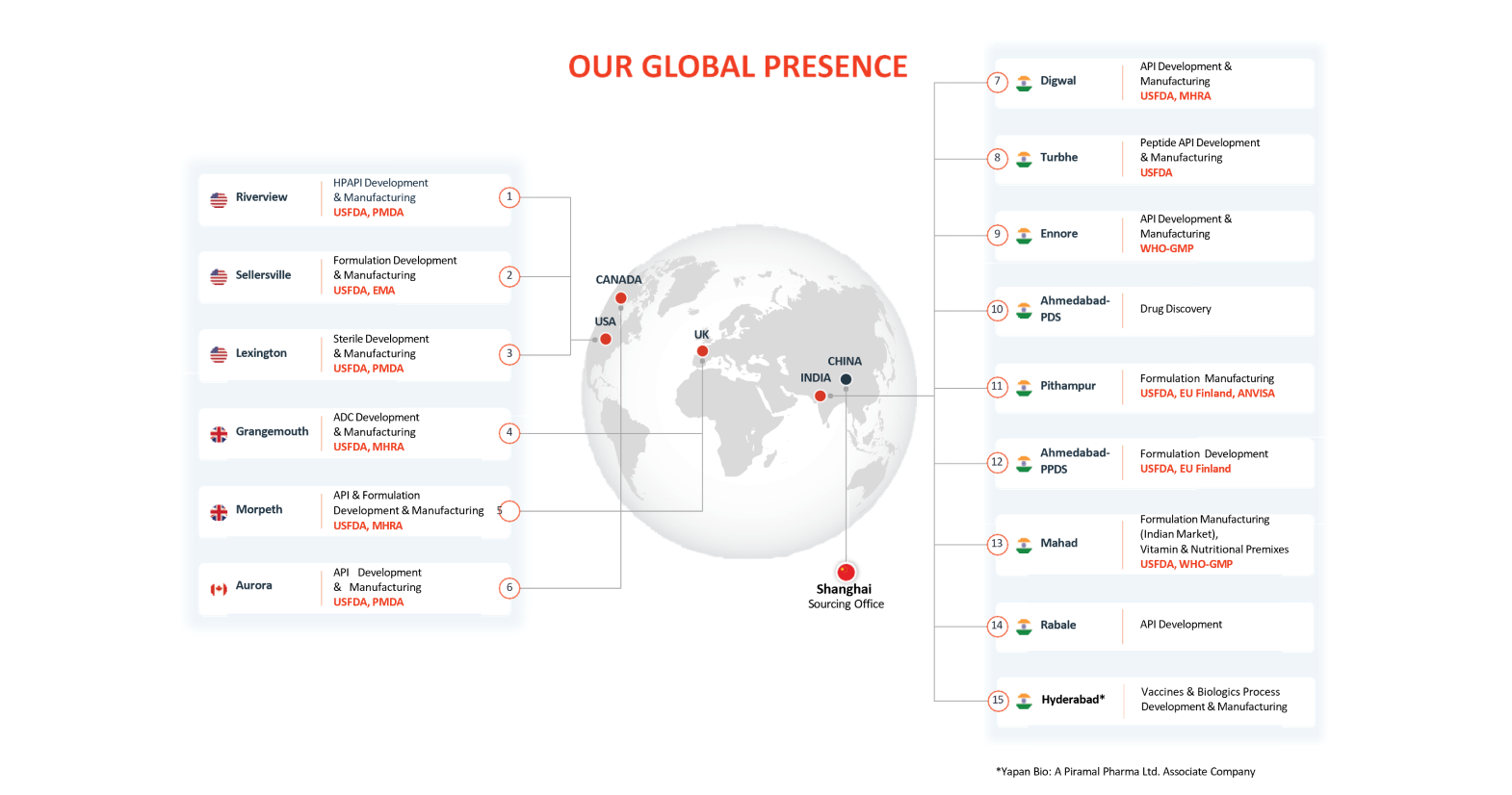
Piramal Pharma Solutions is a contract development and manufacturing organization (CDMO) where everything we do, we do for the patient. The company specializes in integrated services and end-to-end development and manufacturing solutions across the drug life cycle. We serve our clients through a globally integrated network of facilities in North America, Europe, and Asia. This enables us to offer a comprehensive range of services, including drug discovery solutions, process and pharmaceutical development services, clinical trial supplies, and commercial supply of APIs and finished dosage forms. We also offer specialized services like the development and manufacture of highly potent APIs, antibody-drug conjugations, and manufacturing of hormonal drugs. Our capability as an integrated service provider and experience with various technologies enables us to serve innovator and generic companies worldwide. Our development centers and manufacturing sites have accreditations from regulatory bodies in the U.S., Europe, and Japan. With a pool of 700+ scientists including 150 Ph.Ds across the globe, we are committed to research and development programs.