

China emerged as the dominant player in the pharmaceutical intermediates and chemicals market in the early years of the 21st century. A combination of low manufacturing costs, government support, and other factors led to almost the entire pharmaceutical industry becoming dependent on China for raw materials. The downside of dependency became clear in 2018 when the Chinese government imposed stricter rules on the sector, forcing companies to quickly adapt to the changing situation.
The experience showed the value of proactive supply chain management. Companies that quickly recognized and mitigated the threat emerged from the potential crisis with stronger, more resilient operations capable of coping with the multitude of forces that can disrupt globalized supply chains.
Why China Matters
The importance of China to the global pharmaceutical supply chain is starkly illustrated by data on its share of the market. Chinese manufacturers are estimated to make 60% of all intermediates.1 The European Union is 85% to 90% reliant on China for all ingredients. Other major markets including the US are also heavily exposed to, and for some medicines wholly reliant on, the Chinese market.2,3
During the 1990s and early 2000s, Chinese manufacturers emerged as essential players in the production of fermentation drugs such as penicillin, amoxicillin and tetracycline, many basic chemicals, and certain specialized chemicals, including fluoro and bromo compounds. With lower setup and manufacturing costs, ready access to basic chemicals, economies of scale, a large and relatively cheap workforce, and cost-effective
logistics, electricity, and steam supplies, Chinese manufacturers undercut overseas competitors and helped to drive down the cost of drug production. The government further added to the advantages enjoyed by Chinese manufacturers by backing R&D facilities, offering tax incentives and soft loans, and otherwise providing support.
However, the government changed its position in 2018. Since then, Chinese officials have imposed stricter controls on pollution and safety. Specific changes included the requirement for companies to set up effluent treatment plants to minimize or eliminate discharge. Increased regulatory monitoring and compliance requirements led to lower capacity utilization and increases in product cost. Around the same time, the government reduced export incentives and subsidies.
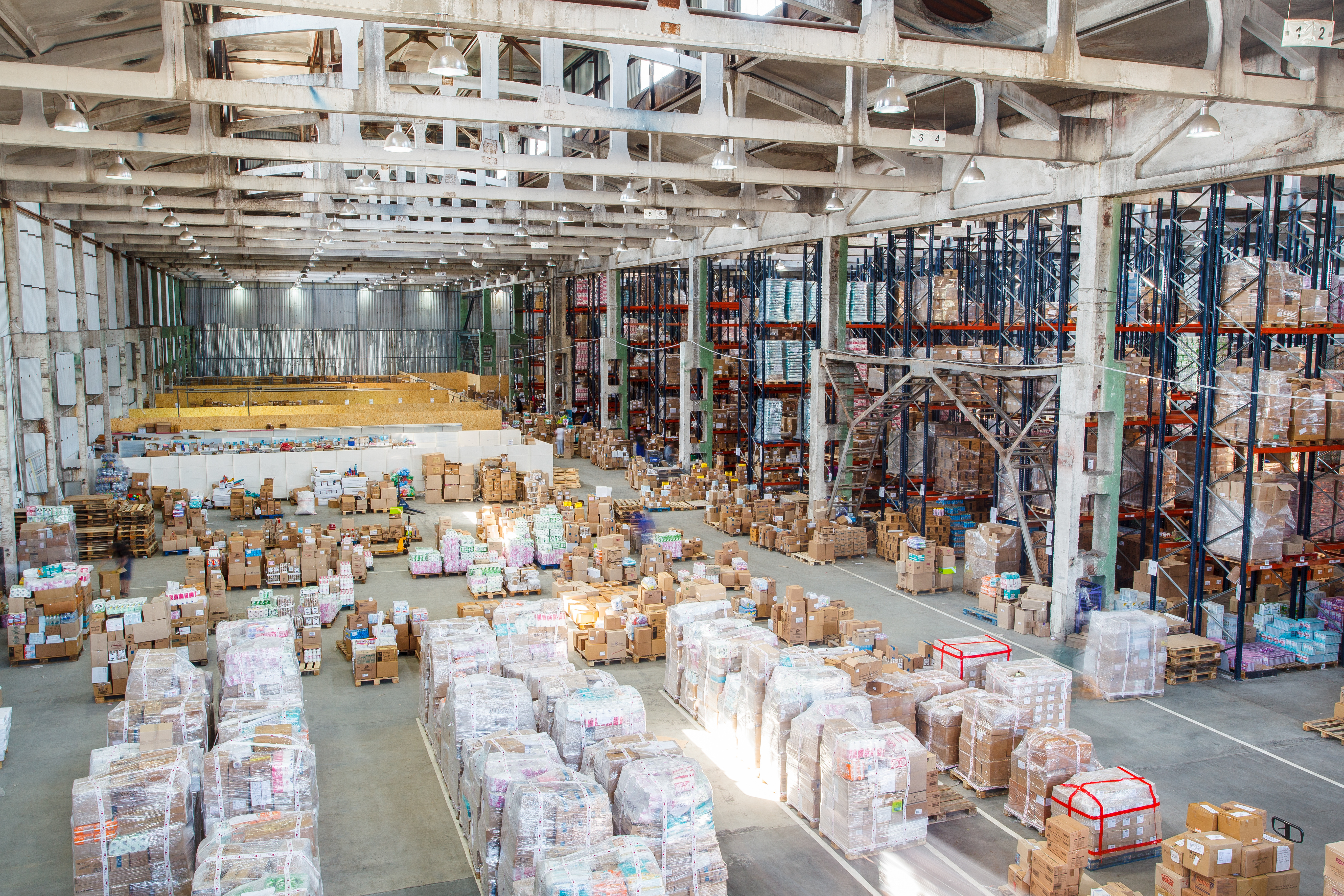
This series of changes put raw materials manufacturers under financial pressure. Some closed in the face of changes that rendered their operations financially unviable, while others moved their facilities to new locations. The resulting disruption in raw material manufacturing rippled through the global pharmaceutical supply chain.
As Chinese raw material suppliers reduced output or closed entirely, global companies struggled to maintain timely, consistent access to the affordable materials on which they had become reliant. Piramal Pharmaceutical Solutions (PPS) was one of many businesses affected by the disruption to the supply of raw materials.
PPS responded to the changes in China by taking a long view of the situation intended to ensure business sustainability. The supply chain team at PPS took that position after identifying the new environment in China as a mid- and long-term threat, not a passing disruption.
In the absence of mitigating measures, PPS predicted the changes in China could lead to a range of negative outcomes. The inability to guarantee timely, consistent supply of Chinese intermediates could lead to missed delivery dates, increased costs, deterioration of customer confidence, and loss of business. In short, the situation threatened the sustainability of PPS';s business.
Acting proactively before the threat became critical, the Global Supply Chain team at PPS established the China Risk Mitigation Initiative by bringing together a dedicated team of employees from its Indian and Chinese offices. The team came together in early 2019.
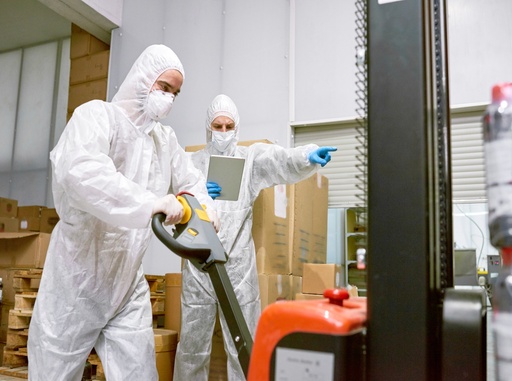
The risk mitigation team initially worked to categorize and prioritize raw materials used by PPS. That first phase of the project grouped raw materials based on whether they were used in new or commercial products and ranked them against certain risk criteria. The risk criteria covered details such as the commercial potential of a product, manufacturing location, whether it had a single source, current availability, reliance on China, and procurement value.
Through that analysis, the team ranked its raw material list to establish the next steps. Based on the extent and nature of the threats linked to a raw material, the team proposed tailored risk mitigation strategies intended to deliver fast, efficient, effective, and sustainable results.
One proposed strategy was to identify custom synthesis partners and work with them to develop and scale up advanced intermediates. In assessing whether a company would make a suitable partner, PPS looked at its infrastructure and capabilities to understand whether it had the facilities, ability to scale up, analytical, chemistry, sourcing skills, and level of expertise and experience to deliver the intermediates. The assessment also factored in market feedback on the reliability of the partner, information on its financial strength, the number of patents, and its quality accreditation.
PPS evaluated approximately 25 potential partners against those criteria. Only five companies impressed enough to be shortlisted. Having identified the best custom synthesis partners, PPS is working with these companies to help meet its supply requirements for advanced intermediates. The second strategy proposed by the risk mitigation team was to ensure PPS has at least one alternate vendor in India for each intermediate, thereby enabling it to access essential ingredients in the event of disruption in China. In executing that strategy, PPS developed in-house technology and then worked with outsourcing partners.The initiative has seen PPS work with manufacturers of key starting materials with operations in India and prioritize local sourcing.
PPS's risk mitigation team also advised assessing forward and backward integration possibilities depending on the criticality of the raw material';s risk. Options included backward integration through outsourcing or the establishment of in house manufacturing capabilities, as well as direct procurement for the forward integration stage. In assessing how to execute the strategy, PPS considered technological assistance, global sourcing, and financial support for input materials.
Other changes include the decisions to procure from manufacturers rather than traders, cover raw materials with annual contracts, carry inventory, split orders between two vendors when possible, and step up capacity planning and utilization. For formulations with internal API, PPS also explored direct API procurement. Throughout this risk mitigation initiative, emphasis was placed on enhanced communications with customers to keep them informed and sensitized on the criticality of raw material supply and then need for alternate vendors.
The risk mitigation strategy has proven successful (see “Success Stories” sidebar). At a challenging time, PPS mitigated risks to the supply of raw materials without any impact on its business such as major stock out situations or manufacturing shortfalls. PPS continued to consistently complete more than 95% of projects on time and in full.
If anything, PPS';s performance improved during the period of change. Demand rose, turnaround times for new orders fell, communication and reliability were improved, and the Customer Satisfaction Index score increased. No filings were delayed and key products were launched successfully.
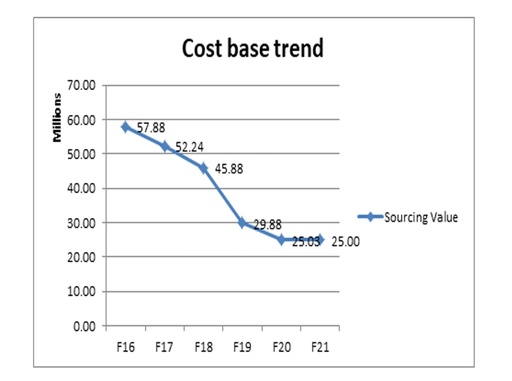
The cost advantages enjoyed historically by Chinese raw material suppliers would suggest that, while reducing dependency on China may bring some advantages, it would come at a price. Instead, PPS reduced its dependence on China while actually lowering its raw material cost base. Over the past two years, PPS has seen its raw material spend with China decrease by around 40%. As a result of the switch to domestic sources, the company achieved cost savings of approximately 2% while growing its business by almost 25%.
PPS is building on the early success of its risk mitigation strategy through weekly review meetings and new additions to its team. The strengthened team is ensuring customers are kept informed of the raw material situation and working on various long-term strategic initiatives. Specific initiatives include encouraging collaborations to access cost-effective process technology, seeking government support, upgrading regulatory and quality ecosystems, and penetrating global markets.
While the risk mitigation program stemmed from the need to lessen reliance on China, the value of its effects on the resilience of PPS';s supply chain were reinforced by the pandemic. Having come through those challenges, PPS is now further strengthening its supply chains to ensure it has the resilience to provide timely, consistent access to affordable intermediates whatever the disruption.

The China Risk Mitigation Initiative has achieved many successes. Here, we present a snapshot of the ways the initiative has made a real difference to the resilience of PPS';s supply chain.
References
1. EU dependence on the Chinese pharmaceuticals market. https://www.europarl.europa.eu/doceo/document/E-9-2020-004734_EN.html.
2. Exploring U.S. reliance on China';s biotech and pharmaceutical products. https://www.fda.gov/news-events/congressional-testimony/exploring-growing-us-reliance-chinas-biotech-and-pharmaceutical-products-07312019 (2019).
3. Yap, C.-W. How the U.S. ceded control of drug supplies to China. Wall Street Journal (2020).
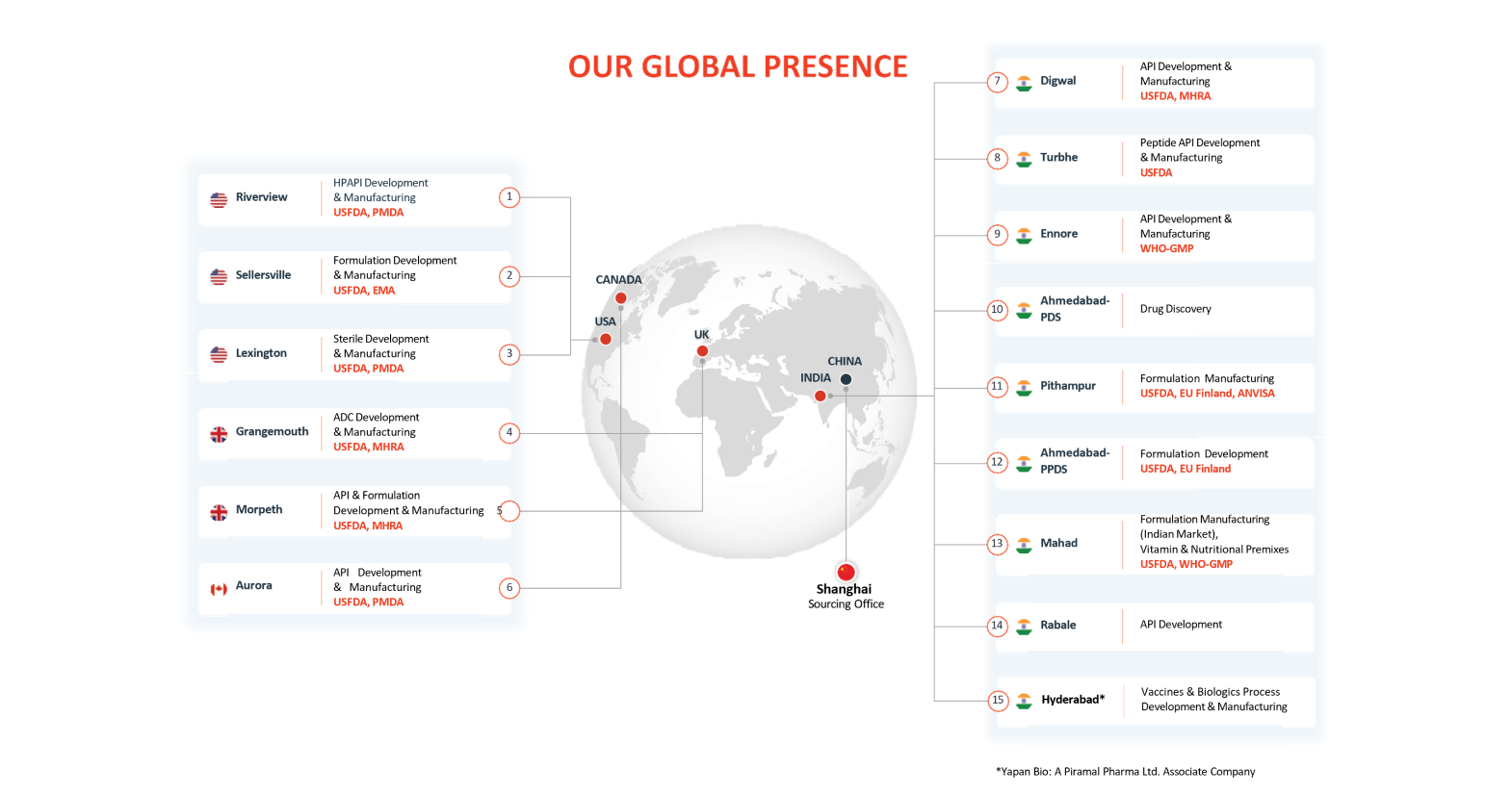
Piramal Pharma Solutions (PPS) is a Contract Development and Manufacturing Organization (CDMO) offering end-to-end development and manufacturing solutions across the drug life cycle. We serve our customers through a globally integrated network of facilities in North America, Europe, and Asia. This enables us to offer a comprehensive range of services including drug discovery solutions, process and pharmaceutical development services, clinical trial supplies, commercial supply of APIs, and finished dosage forms. We also offer specialized services such as the development and manufacture of highly potent APIs, antibody-drug conjugations, sterile fill/finish, peptide products and services, and potent solid oral drug products. PPS also offers development and manufacturing services for biologics including vaccines and gene therapies, made possible through Piramal Pharma Limited';s associate company, Yapan Bio Private Limited.