

Industrial cGMP peptide production has changed dramatically over the years. Today, peptide production happens on a scale that was unimaginable in the recent past, with demand driving companies to manufacture hundreds of kilograms of short chain peptides a year. The field continues to evolve as leading manufacturers explore new approaches, pointing to a new era of more efficient production tailored to evolving demands.
The history of industrial cGMP peptide production is split between before and after the arrival of Roche';s Enfuvirtide, an HIV fusion inhibitor sold under the brand name Fuzeon. Enfuvirtide, also known as T-20, was the first long peptide, produced by convergent approaches, that used very large scale manufacturing processes. Demand for Fuzeon, which won US FDA approval in 2003, drove a multi-fold jump in global consumption of Fmoc-Amino acid derivatives, materials used in the solid phase synthesis of the Roche drug. The Fuzeon-driven transformation of the Fmoc-Amino acid market caused the price of the material to fall by several orders of magnitude.
After Fuzeon, manufacturers were emboldened to manufacture hundreds of kilograms annually, even reaching the tonne mark, to support peptide products given orally in large doses. At the same time, the molecule pointed to the potential to design synthetic schemes for peptides of fifty amino acid chains and even longer, expanding the range of possibilities in the therapeutic use of the molecules.
The revolution triggered by Fuzeon continues to this day. A wide range of initiatives are underway that will further increase scale, improve efficiency, and reduce the time to the delivery of projects.
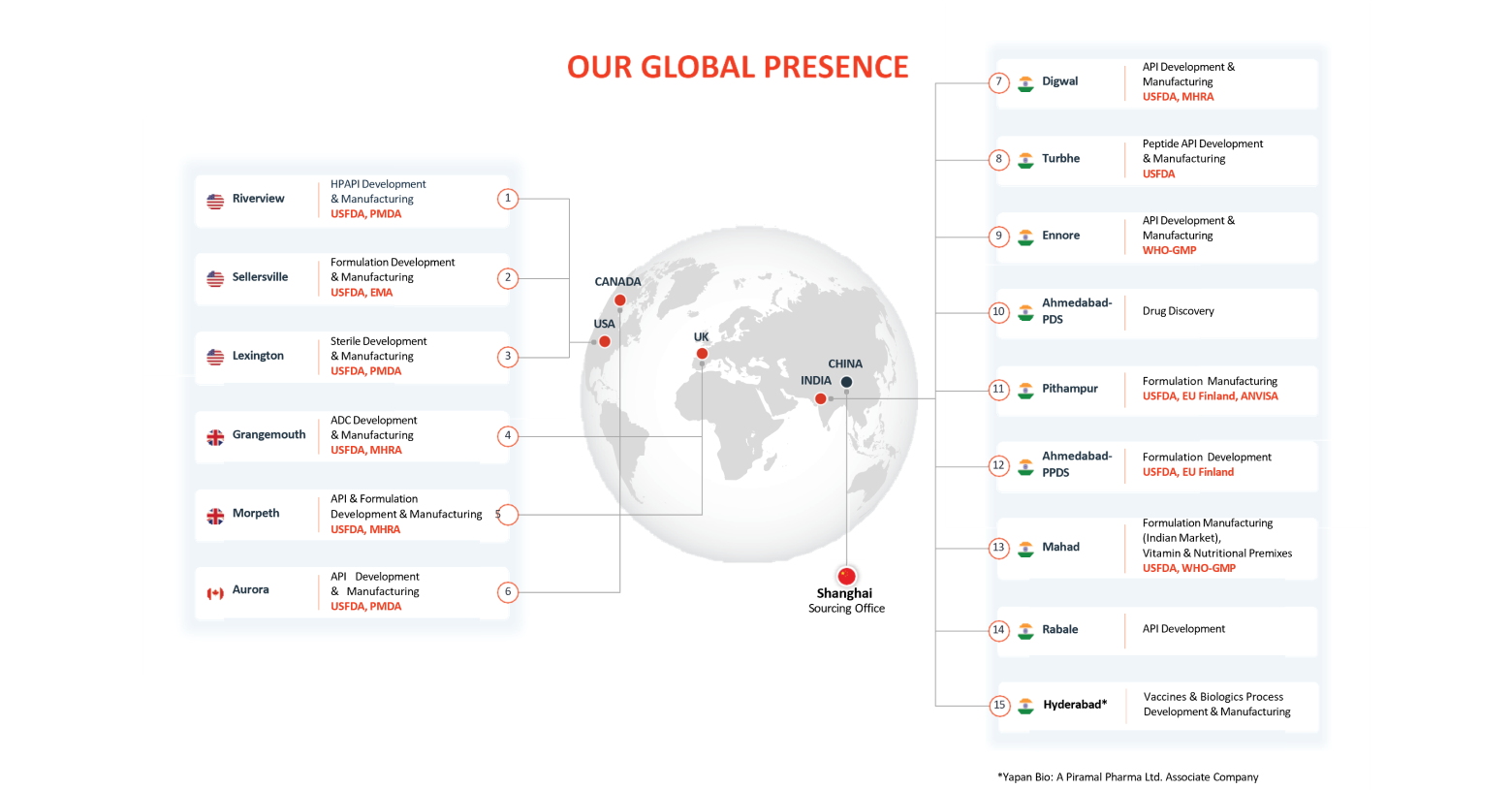
Piramal Pharma Solutions (PPS), which added peptide capabilities through its acquisition of Hemmo Pharmaceuticals, is installing in-house capacity for the production of pseudo-proline building blocks at the Hemmo site in Turbhe, India. Pseudo-proline molecules consist of two amino acids, one of which has to be either serine or threonine, and have cyclic structures that prevent hydrogen bonding in between the peptide chains during the synthesis process.
.jpg "Improving cGMP Peptide Production")
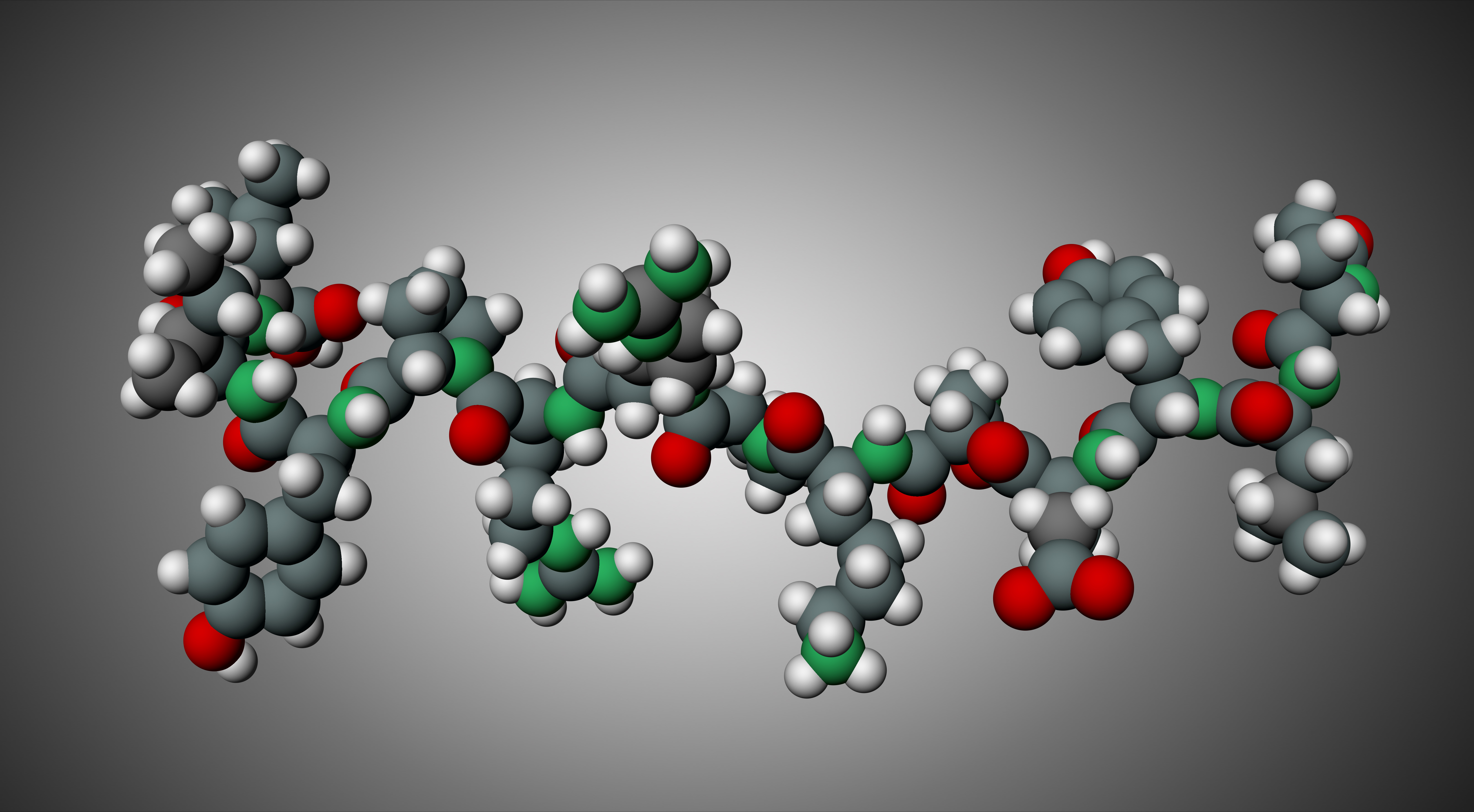
By stopping hydrogen bonding, the structures facilitate amino acid coupling with an effect that propagates through the peptide chain for six to eight amino acids from the point of insertion of the pseudoproline residue within the peptide sequence. Using such structures, the Hemmo site has successfully manufactured peptides of up to thirty-nine amino acid chains with overall yields that are close to twenty percent.
The successful production of long amino acid chains further expands the frontiers opened up by Enfuvirtide, a thirty-six amino acid peptide, and is part of a wider effort to continue to improve the manufacturing of the molecules. At PPS, that wider effort includes research collaborations with enzyme designers and manufacturers.
Active collaborations are focused on the industrial application of enzymes that allow the efficient coupling of peptide fragments in solution without being restrained to the presence of either glycine, proline, or a pseudo-proline at the C-terminus of the carboxylate bearing fragment.
The enzyme collaborations build on the Hemmo site's rich history as a peptide pioneer. Hemmo, which began trading in peptides in 1966, started the solution phase production of oxytocin in 1979, before foreseeing and participating in the surge in solid phase synthesis two decades later.
By hiring experts in cGMP compliant peptide manufacturing and adding capacity, the Hemmo site grew into a major force in solid phase synthesis. Today, this new facility has US FDA approvals for four peptides, European approvals for another eight peptides, manufactures twenty-three different generic peptide molecules, and has dedicated lines for manufacturing clinical trial materials.
PPS is further expanding capacity, acquiring an additional two acres of land next to its existing site in Turbhe, India. The expansion will enable the site to increase production threefold while being able to retain talent that is bound to the Mumbai Municipal Corporation area.
The expansion of the peptide market and broader changes to pharmaceutical supply chains have driven manufacturers to rethink how they source raw materials and their capacity requirements. At PPS, this rethinking has manifested in work to cultivate an efficient supply chain with support from European and Chinese manufacturers of Fmoc-derivatives.
The diversification of its list of Fmoc-derivative suppliers will enable the company to balance quick delivery and cost while increasing the resilience of its supply chain, a key focus for all forward-thinking producers after the shock caused by the COVID-19 pandemic and government responses to the crisis. Recognizing the need for resilience, the Hemmo site is working toward vertical integration using installed capacity at some of the other PPS facilities that support production of intermediates and key starting materials.
.jpg "Expanding to Better Serve Customers and Patients")
The broader integration with Piramal Pharma Solutions will create strong synergies between Hemmo';s existing peptide knowhow and the invaluable expertise of PPS' synthesis of small molecules, from discovery to commercial sizes. PPS' pioneering antibody-drug conjugate work at Grangemouth, UK and fill-finish capacity at Lexington, US provide further synergies.
PPS is already starting to realize the benefits of the combination of their capabilities. The vertical integrations offered by PPS' Ennore, India, site and expanded as needed using the huge volumes installed at the Digwal facility in India, give the Hemmo site access to greater scale than ever before. The site now has access to the execution of synthesis in solid phase using agitated nutsche filters of up to 2,000L capacity at Digwal.
Early integrated projects include the synthesis of peptide nucleic acids by use of Bts protecting groups. The synthesis was made possible by the expertise of the discovery group at the PPS site in Ahmedabad, India, which will manufacture the protected Bts-monomers. The site is contributing experience in solution chemistry including nucleosides, with a focus on novel molecules produced by efficient processes, to the project.
PPS is pairing those capabilities with its expertise in the production of unnatural amino acid derivatives, solid phase synthesis, and purification. The result is that the site can manufacture the Bts monomer, which is crucial for the production of peptide nucleic acids, without relying on companies outside of PPS.
Integration will significantly reduce time to project delivery given the resources that can be applied within PPS and increase the capacity and efficiency of the Hemmo site, therefore contributing to more costeffective peptide production. The ultimate beneficiaries of the improvements are patients, who stand to gain access to life-changing peptide therapies at fair prices.
Over the years, PPS's Hemmo site has seen the arrival of novel technologies that overcome peptide aggregation during the growth of the amino acid chain, more efficient coupling reagents and racemization suppressants, and Dynamic Axial compressed HPLC columns of up to 1.2m in diameter. Those developments, coupled to changes to the FmocAmino acid derivative market and the creation of more efficient resins that permit the growth of peptide chains during solid phase synthesis, ushered in the current era of large scale production of long molecules.
.jpg "Creating the Future of Peptide Manufacturing")
Leveraging experience gained during the transformation of the market, the Hemmo site, with the scale provided by PPS, is now investing in next-generation approaches and vertically integrated supply chains to drive the continued advance of peptide synthesis. As it does, peptide production will become more efficient and open up opportunities for longer-chain therapies, thereby helping its partners address the unmet medical needs of patients.
.jpg)
.jpg)
Piramal Pharma Solutions (PPS) is a Contract Development and Manufacturing Organization (CDMO) offering end-to-end development and manufacturing solutions across the drug life cycle. We serve our customers through a globally integrated network of facilities in North America, Europe, and Asia. This enables us to offer a comprehensive range of services including drug discovery solutions, process and pharmaceutical development services, clinical trial supplies, commercial supply of APIs, and finished dosage forms. We also offer specialized services such as the development and manufacture of highly potent APIs, antibody-drug conjugations, sterile fill/finish, peptide products and services, and potent solid oral drug products. PPS also offers development and manufacturing services for biologics including vaccines and gene therapies, made possible through Piramal Pharma Limited';s associate company, Yapan Bio Private Limited.