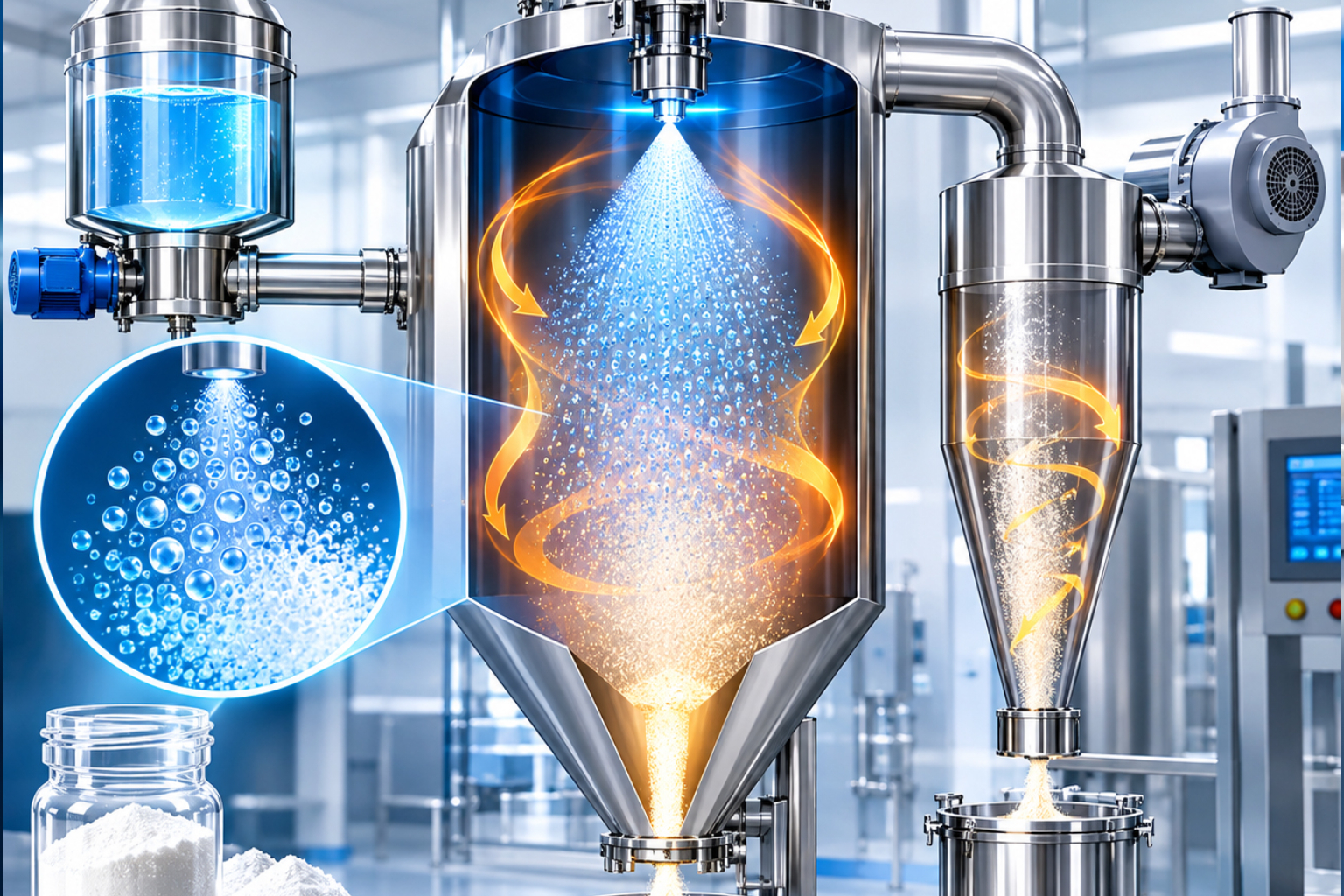
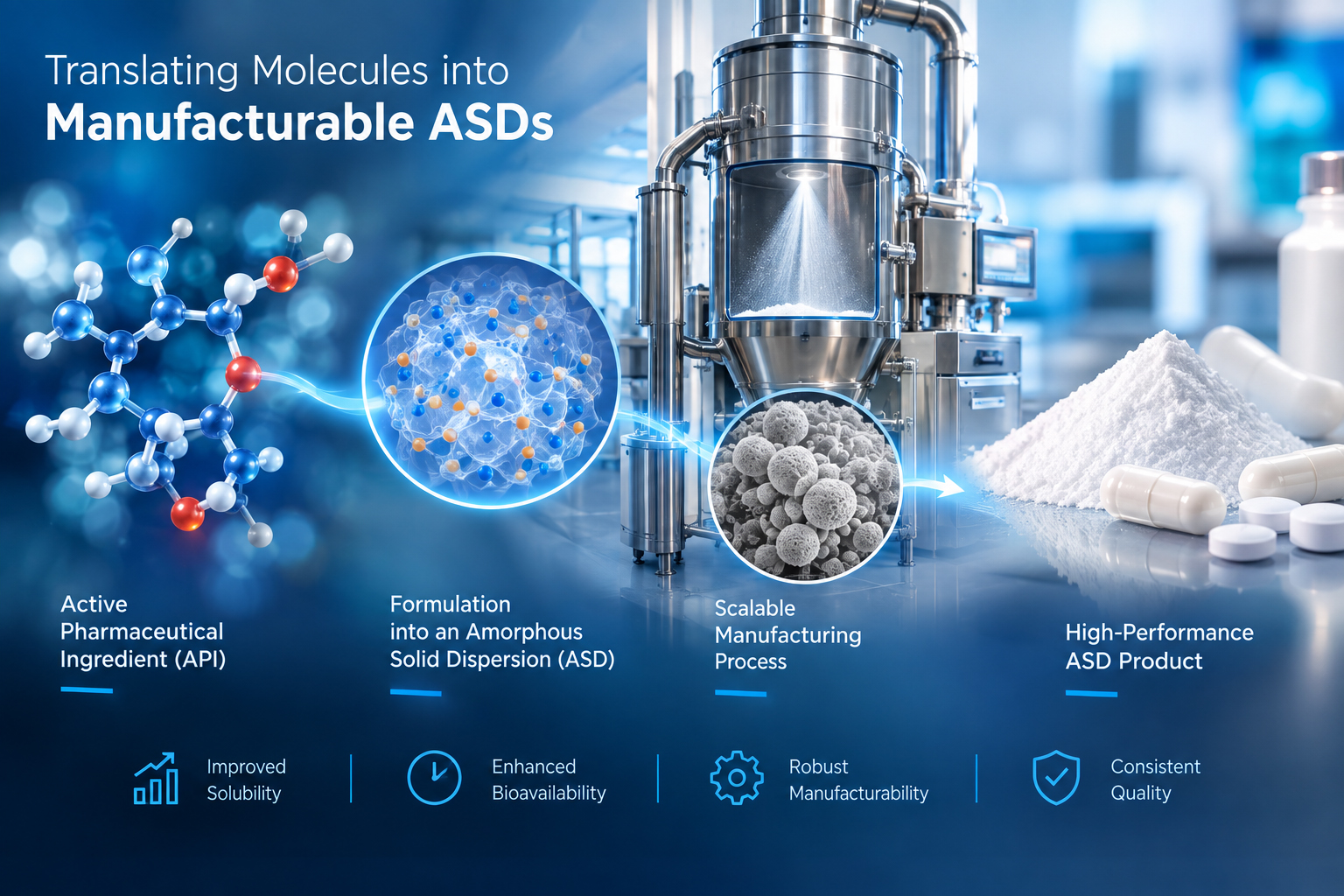
Itraconazole is a BCS Class II drug with low solubility and high permeability. Itraconazole continues to pose a significant formulation challenge because of its poor aqueous solubility and dissolution-limited performance. This can be addressed using solubility enhancement techniques, with higher Gibbs free energy than their crystalline counterparts, amorphous solid dispersions (ASDs) being one of the most preferred in the pharmaceutical industry. Spray drying, in particular, offers a highly attractive manufacturing route because it is scalable, continuous, and capable of producing free-flowing amorphous powders with efficient solvent removal.
Traditional ASD development is often driven by empirical experimentation, requiring extensive polymer screening, solvent optimization, and multiple spray-drying iterations before an optimal formulation is identified. Although effective, this approach is resource-intensive, time-consuming, and inherently uncertain.
Recognizing these challenges, Piramal Pharma Solutions has developed a novel predictive workflow that fundamentally changes how spray-dried amorphous solid dispersions (ASDs) are designed. Our innovative framework integrates computational thermodynamics to significantly reduce the trial-and-error burden typically associated with ASD development. By integrating Hansen solubility parameter analysis, molecular interaction assessment, thermodynamic modeling, film-casting confirmation, and Design of Experiments (DoE), this strategy enables rational polymer selection and de-risks formulation development before spray drying begins.
This work represents a significant advancement in formulation science by shifting ASD development from an empirical process to a predictive, science-driven platform, reinforcing Piramal Pharma Solutions' commitment to innovation, scientific excellence, and accelerated pharmaceutical development.
Novelty and Scientific Contribution of the Work
• Developed a novel thermodynamics-guided formulation platform for ASD development.
• Replaced conventional trial-and-error polymer screening with a predictive scientific workflow.
• Integration of Hansen Solubility Parameter analysis as a first-line predictive polymer selection tool.
• Utilization of computational modelling, molecular interaction analysis, thermodynamic prediction, and experimental validation into a single development strategy.
• Reduced formulation uncertainty before spray drying.
• Demonstrated the framework using itraconazole as a proof-of-concept for scalable industrial application.
QTPP: physically stable amorphous powder with enhanced dissolution and acceptable residual solvent levels.
CQAs: amorphous content, residual solvent, and physical stability.
CMAs: polymer type, drug loading and solvent system.
CPPs: inlet temperature, feed rate, atomization conditions and solids concentration.
One of the most significant innovations in this work is the development of a multi-tier thermodynamicsguided polymer selection strategy. Rather than selecting polymers through extensive spray drying trials, Piramal Pharma Solutions established a predictive workflow combining Hansen Solubility Parameters, molecular interaction analysis, thermodynamic modeling, and rapid experimental validation to identify the most suitable carrier before process development.
This systematic approach substantially reduces formulation uncertainty while accelerating development timelines.
Polymer selection was guided by Hansen Solubility Parameters (HSP), literature-reported molecular interaction data, and thermodynamic assessment. HSP parameters describe the cohesive energy density of a molecule and are commonly used to assess the likelihood of miscibility between two components. The theory assumes that cohesive energy within a material can be divided into three independent intermolecular interaction components:
• Dispersion forces (δD)
• Polar interactions (δP)
• Hydrogen bonding interactions (δH)
The total Hansen solubility parameter is calculated as:
δT2=δD2+δP2+δH2
Drug-polymer compatibility is commonly assessed by comparing their total solubility parameters.
Δδ=|δdrug −δpolymer|
Generally,
• Δδ < 7 MPa½ indicates good compatibility
• Δδ between 7–10 MPa½ indicates partial compatibility
• Δδ > 10 MPa½ indicates poor compatibility
The complete Hansen distance between two materials is calculated as
Ra = (4*(δD1−δD2 )2 +(δP1 −δP2 )2 +(δH1 −δH2 )2 ) 1/2
where smaller values indicate greater thermodynamic compatibility.
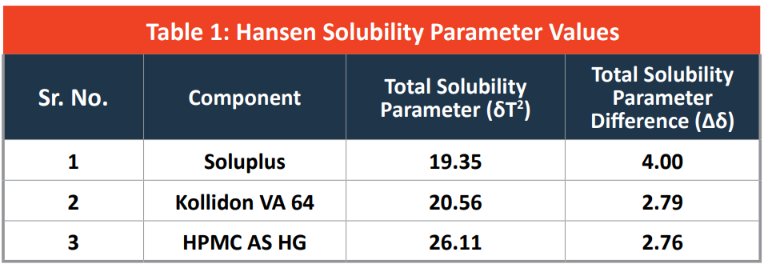
Based on the HSP analysis, Soluplus exhibited a larger difference in total solubility parameter compared to Kollidon VA64 and HPMC-AS-HF, indicating comparatively lower compatibility with itraconazole.
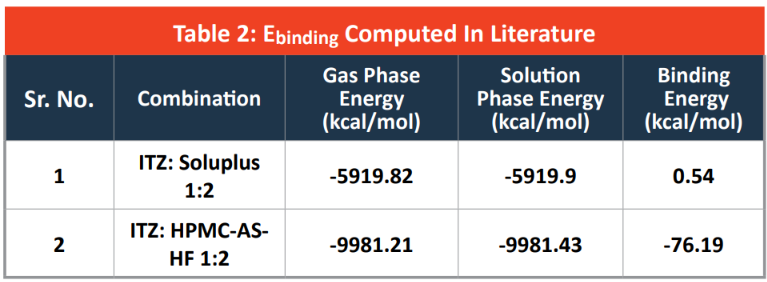
*Formula: Ebinding= Ecomplex − Σ(Eingredients)
In addition to HSP analysis, published molecular binding energy values were examined to compare the strength of drug-polymer interactions. The binding energy value of Soluplus was very low, further suggesting weaker drug-polymer interactions comparatively. Hence, HPMC-AS was ultimately prioritized because of its high glass transition temperature, precipitation inhibition capability, and ability to kinetically stabilize supersaturated drug solutions.
The thermodynamic stability of Itraconazole with Kollidon VA64 and HPMC-AS was evaluated using Gordon-Taylor and Fox equations.
Gordon-Taylor Analysis
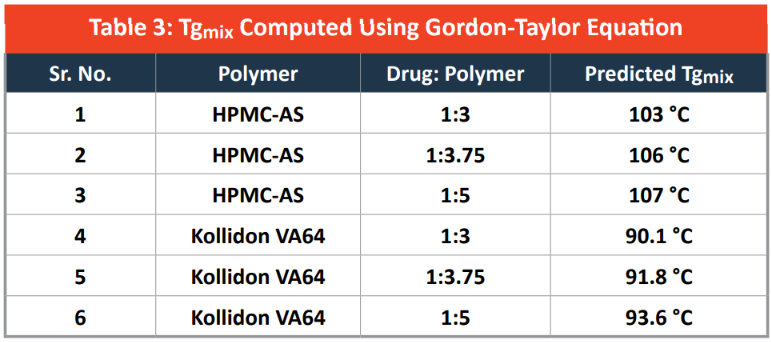
The Gordon-Taylor equation was used to predict the glass transition temperature of the drug-polymer system that depends on the drug polymer ratio.
Tg,mix = (w1 *Tg1 +k*w2 *Tg2 )/ (w1 +k*w2 )
Where,
• w is weight fraction
• Tg is glass transition temperature
• K is Gordon-Taylor constant, which can be approximated as
k = (ρdrug*Tgdrug) / (ρpolymer*Tgpolymer)
Higher predicted Tg values correspond to reduced molecular
mobility and lower probability of recrystallization. For longterm physical stability, the Tg of the formulation should remain substantially higher than the intended storage temperature.
Water acts as a plasticizer in amorphous solid dispersions by lowering the glass transition temperature of the formulation.
Fox Equation Assessment
The Fox equation estimates the glass transition temperature of moisture-containing systems and is commonly used to determine the critical moisture content above which molecular mobility increases significantly.
1/Tgmix =(w1 /Tg1 ) + (w2 /Tg2 )
Where,
• Tg is glass transition temperature
• w is weight fraction
The calculated critical moisture content provides an estimate of the maximum moisture uptake that the formulation can tolerate while maintaining adequate physical stability under storage conditions.
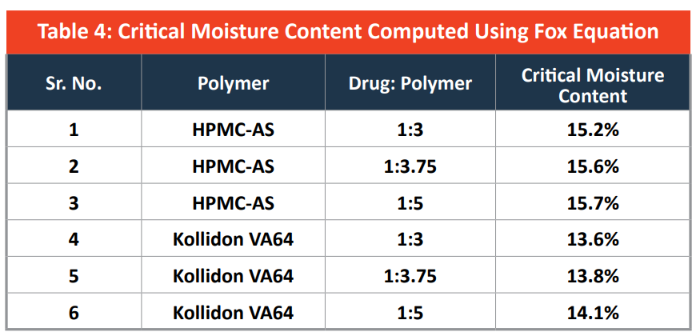
Gordon-Taylor analysis predicted high Tg values for HPMCAS systems, supporting reduced molecular mobility. Fox equation calculations indicated acceptable critical moisture content values when Tg drops to room temperature (worstcase scenario). Increasing polymer loading beyond 1:3 provided only marginal thermodynamic benefits, making the range of 1:3 to 1:5 a practical development space
Film casting was employed as a rapid experimental screening technique to verify the polymer selection and the shortlisted drug-polymer compositions before spray drying. Films of HPMC-AS-HF and Kollidon VA64 at drug ratios of 1:3, 1:4 and 1:5 were prepared in 2:1 Dichloromethane: Methanol solvent system, consistent with commonly reported literature methods.
HPMC-AS generated optically transparent films, indicating improved miscibility with itraconazole. XRPD analysis demonstrated a substantial reduction in crystalline reflections, supporting disruption of long-range crystal order and formation of an amorphous drug-polymer matrix.
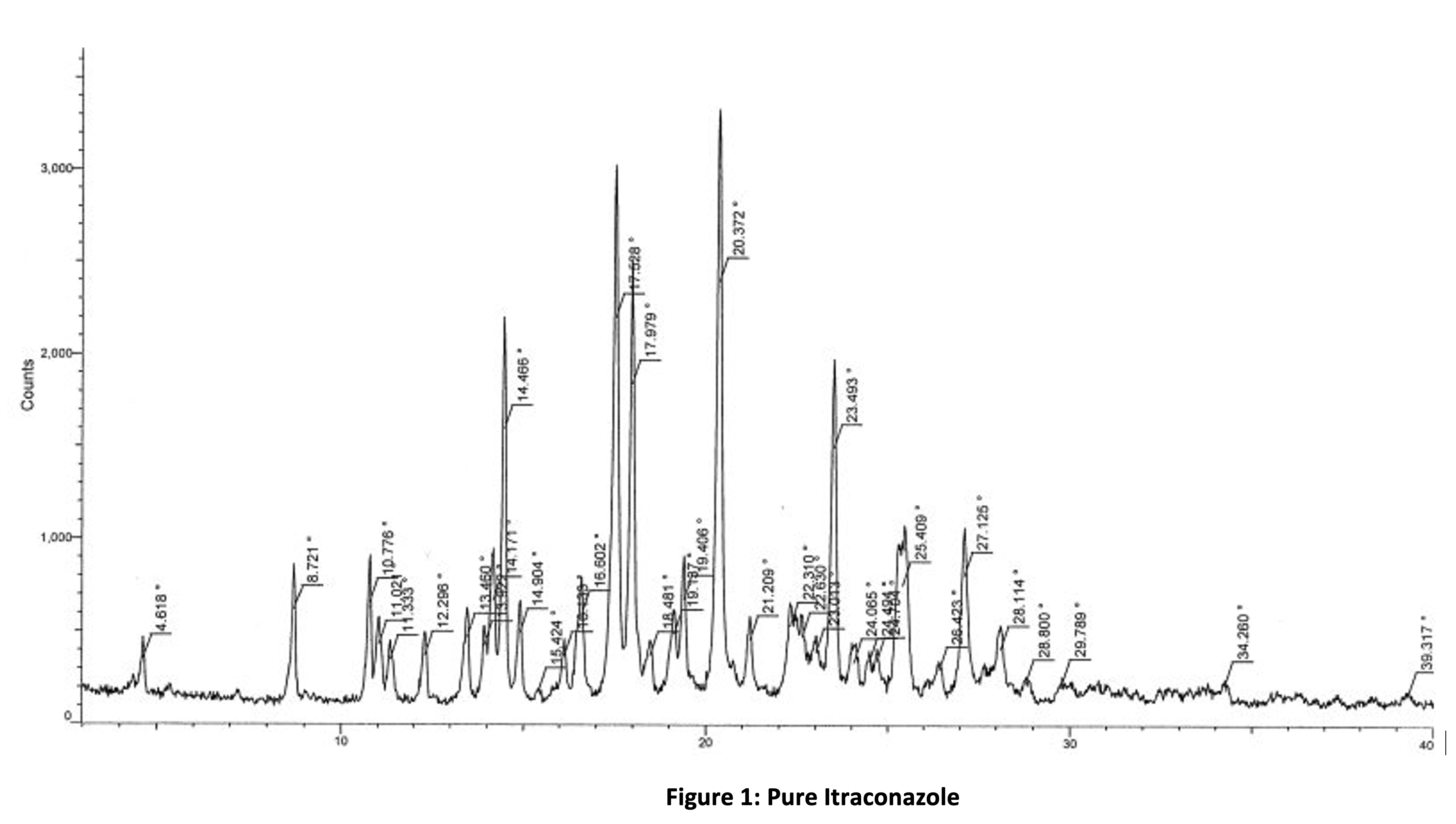
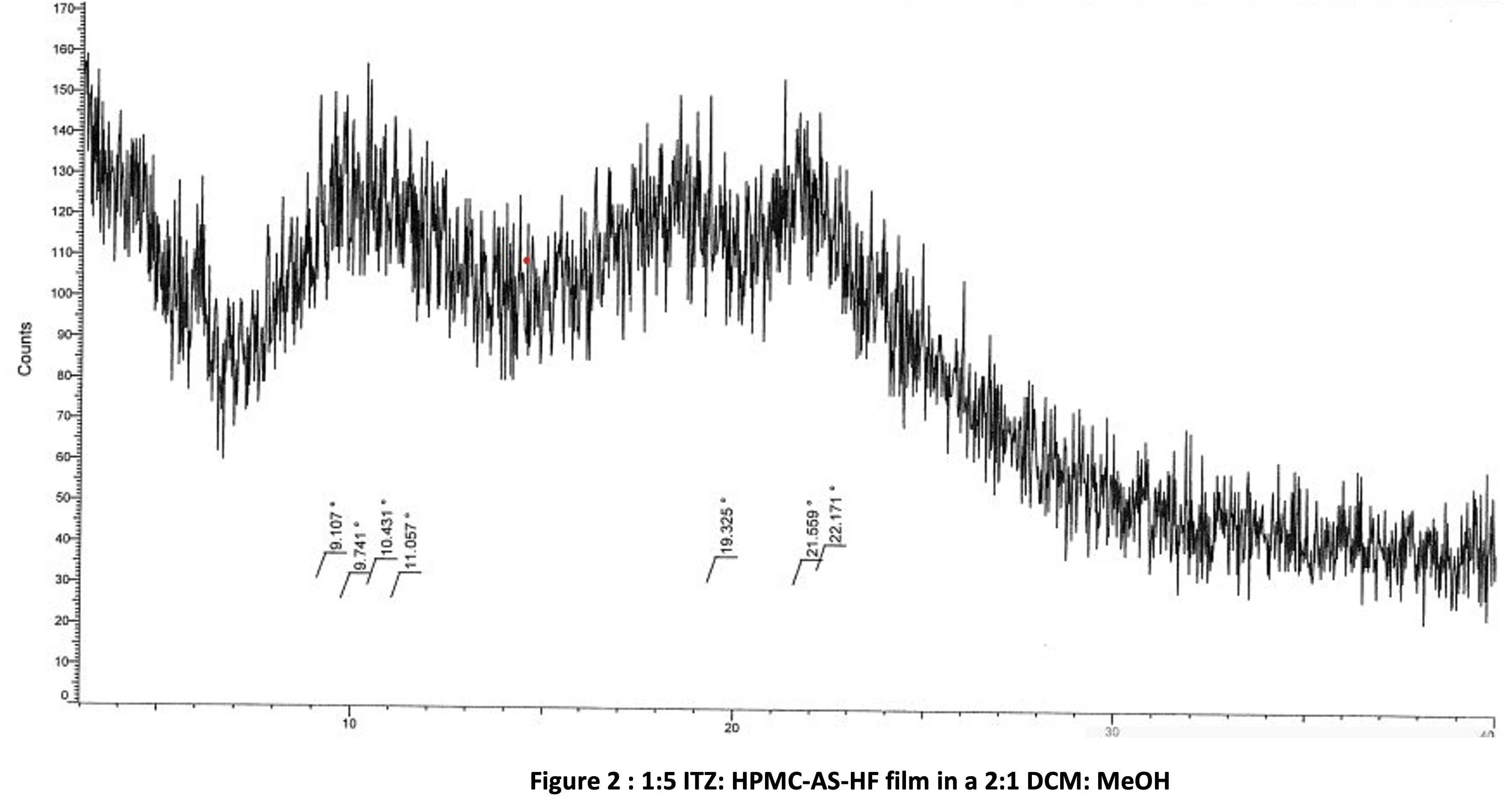
Outcome: Based on film quality and XRPD analysis, HPMCAS-HF was selected for spray drying.
Why the Solvent System Worked
The dichloromethane: methanol (2:1) solvent system was selected for a clear scientific reason: it offered the right balance of solubility, miscibility, and process performance.
• Dichloromethane supported high itraconazole solubility and rapid evaporation.
• Methanol improved polymer solubilization.
• Together, they enabled homogeneous feed preparation and efficient droplet drying during spray drying.
This solvent choice supported both formulation quality and manufacturability
A spray dried ASD is only as robust as the process used to produce it. The development strategy therefore included a structured assessment of the most important process variables affecting product quality.
Inlet Temperature
Inlet temperature governs solvent evaporation kinetics and residual solvent removal. Higher inlet temperatures generally accelerate drying and reduce residual solvent content but may also increase the risk of thermal degradation or particle collapse if excessively high.
Feed Rate
Feed rate determines droplet residence time within the drying chamber. Higher feed rates increase throughput but may result in incomplete solvent evaporation, larger particles, and increased wall deposition due to insufficient drying.
Solid Concentration
Solid concentration influences feed viscosity, droplet size, and final particle morphology. Higher concentrations generally improve process yield but may increase viscosity and produce larger particles with greater residual solvent.
Drug-to-Polymer Ratio
Increasing polymer content raises the glass transition temperature of the dispersion, reduces molecular mobility, and improves physical stability. However, excessive polymer loading reduces drug loading and may negatively impact process economics.
Understanding these relationships is essential for establishing a robust design space and selecting process conditions that consistently achieve the desired critical quality attributes.
Following computational screening and thermodynamic assessment, we have employed a statistically designed experimental strategy to validate the predictive framework. The primary objective of our predictive framework is to engineer a robust, 100% amorphous drug-polymer matrix with absolute resistance to recrystallization, ensuring longterm physical stability during storage. By locking the drug into this stable amorphous state, the formulation achieves a high dissolution rate and superior kinetic solubility, directly overcoming Itraconazole's inherent bioavailability barriers.
A 2⁴ fractional factorial Design of Experiments (DoE) was generated to evaluate the influence of critical process variables while minimizing the number of experimental runs. This enabled efficient identification of the most influential formulation and process parameters with substantially fewer experiments than conventional optimization approaches.
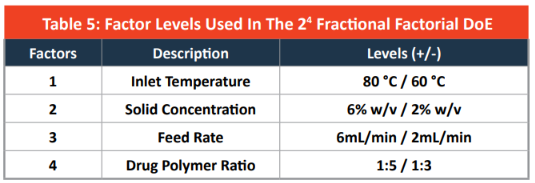
The nine experimental trials were carried out using a Büchi Mini Spray Dryer S-300 Advanced. The resulting spray dried powders were subsequently analyzed using X-Ray Diffraction to evaluate the degree of amorphization.
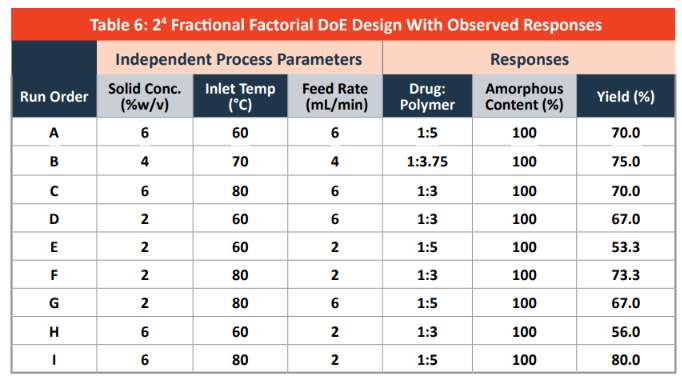
Fixed Parameters:
Certain process parameters were maintained constant throughout the experimental study to isolate the effects of the selected variables. The drying gas rate (20 m³/hr) and spray gas flow rate (500L/hr) were fixed according to the recommended operating conditions of the Büchi Mini Spray Dryer S-300 Advanced, ensuring consistent atomization and drying efficiency across all experiments. The total feed volume was fixed at 300mL to ensure sufficient material for characterization while maintaining consistent operating conditions between experimental runs.
This section transforms the study from a screening exercise into a true QbD development program. Statistical analysis of the experimental data was performed to identify the critical formulation and process variables governing amorphization and physical stability of the spray dried dispersion.
1. Statistical Identification of Critical Factors
Analysis of Variance (ANOVA) was performed to quantify the statistical significance of formulation and process parameters affecting amorphization. The model demonstrated excellent predictive capability, confirming that the selected variables significantly influenced the quality of the spray-dried dispersion.
Factors exhibiting p-values below the predefined significance threshold (p< 0.05) were considered statistically significant contributors to amorphous phase generation.
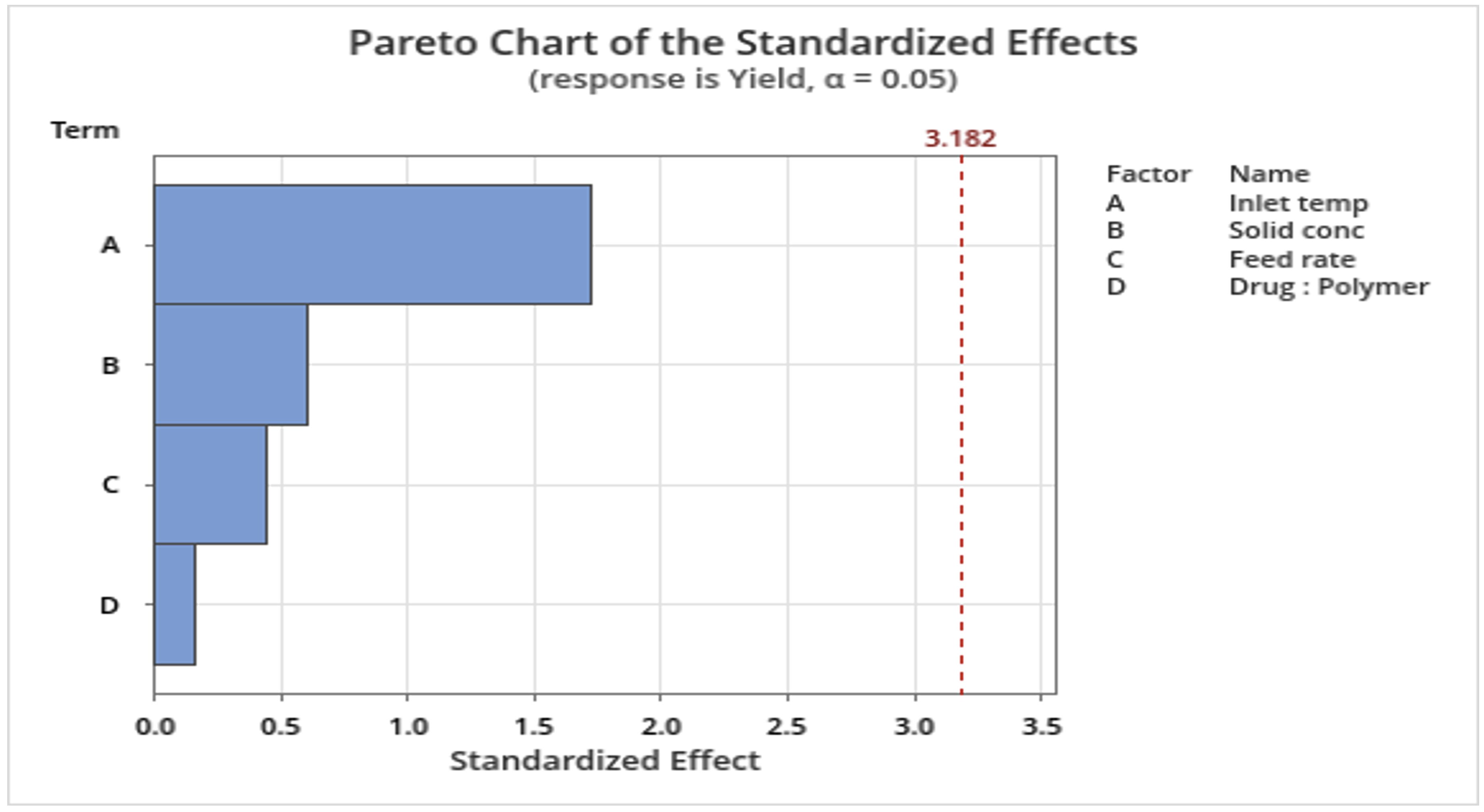
ANOVA revealed that Inlet temperature was the most statistically significant contributor to Yield and amorphization, followed by Solid concentration. The findings correlate with the thermodynamic predictions generated earlier in the development workflow, providing independent experimental confirmation of the predictive framework.
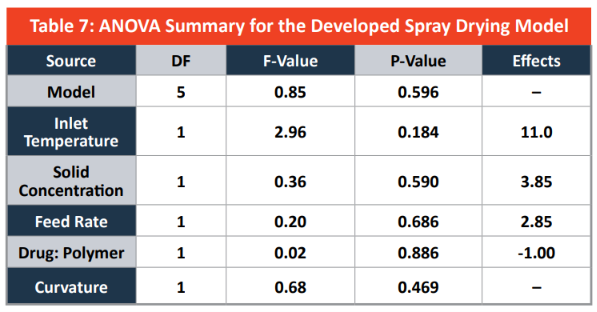

Pareto analysis ranked process variables according to their contribution to the response. The analysis identified inlet temperature and Solid concentration as the dominant contributors to amorphous phase formation and Yield, while feed rate and drug-to-polymer ratio exhibited comparatively lower effects within the investigated experimental range.
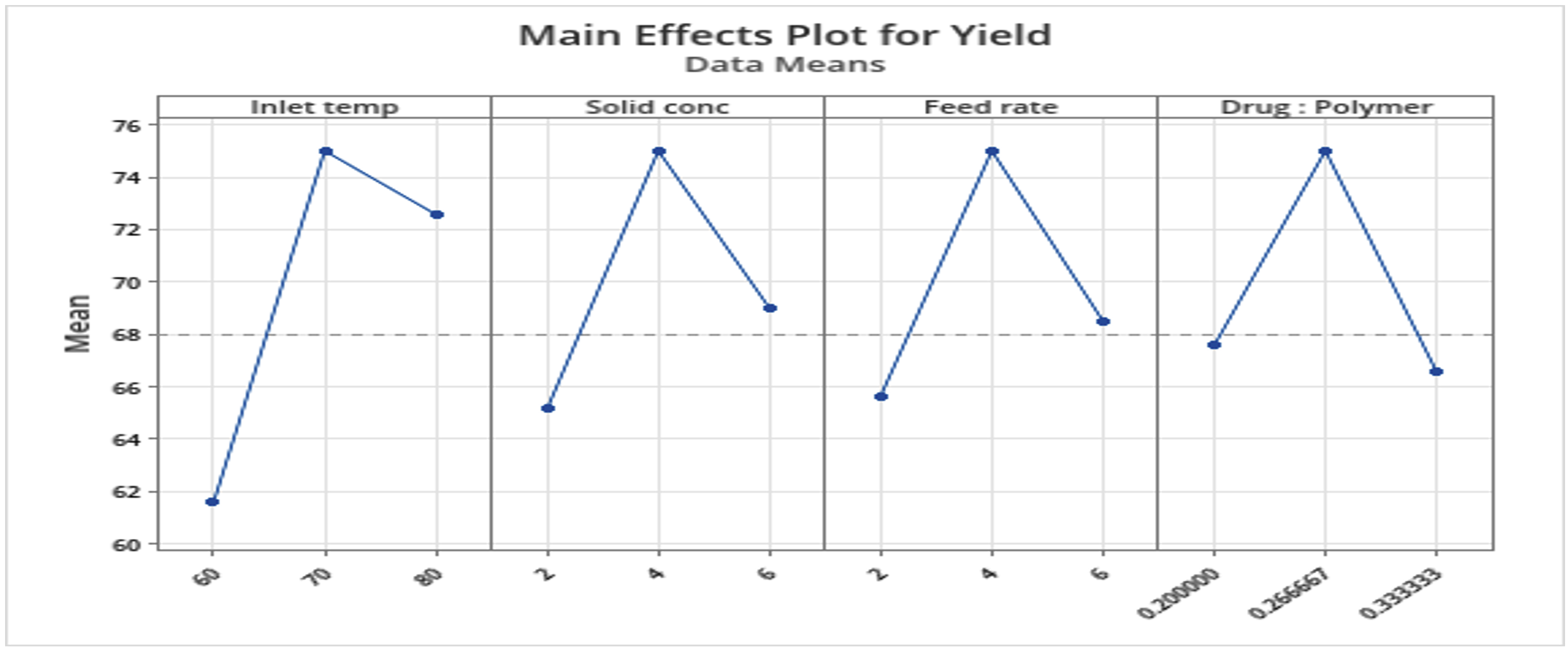
Main effects analysis revealed clear relationships between formulation parameters and product quality atributes. Elevated inlet temperatures improved solvent removal and facilitated rapid verification of the drug-polymer matrix.
These observations support the hypothesis that successful ASD formation depends on both molecular stabilization and kinetic trapping mechanisms, emphasizing the importance of simultaneously optimizing formulation composition and drying dynamics.
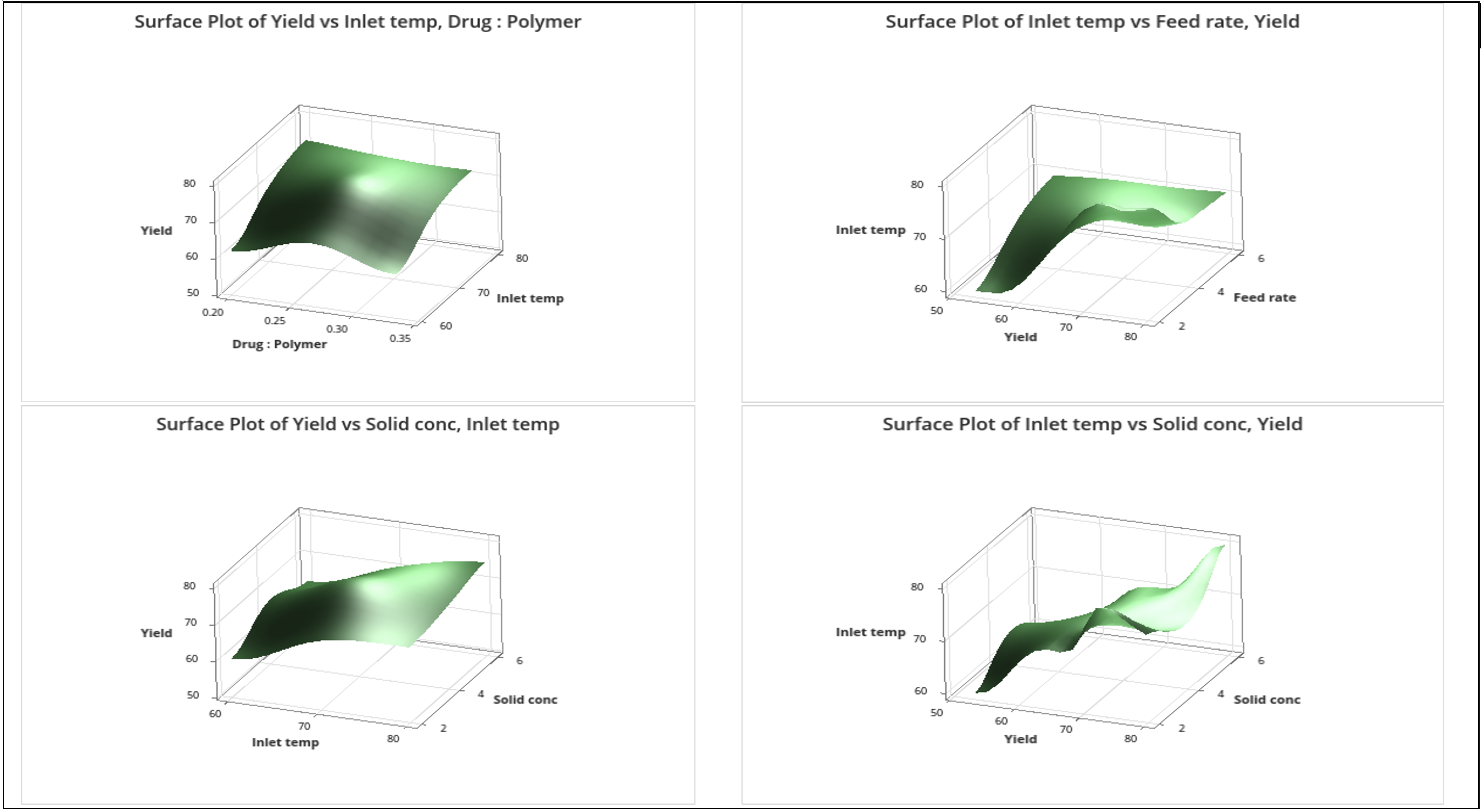
Response surface methodology enabled visualization of multidimensional relationships between critical process parameters and the resulting amorphous content.
The generated response surfaces clearly identified a robust operating region where complete amorphization could be consistently achieved. Higher polymer concentrations combined with optimal drying temperatures produced the most stable amorphous systems.
This work demonstrates that thermodynamic prediction can be effectively coupled with Design of Experiments to create a knowledge-driven formulation platform capable of defining an experimentally verified ASD design space with minimal development iterations.
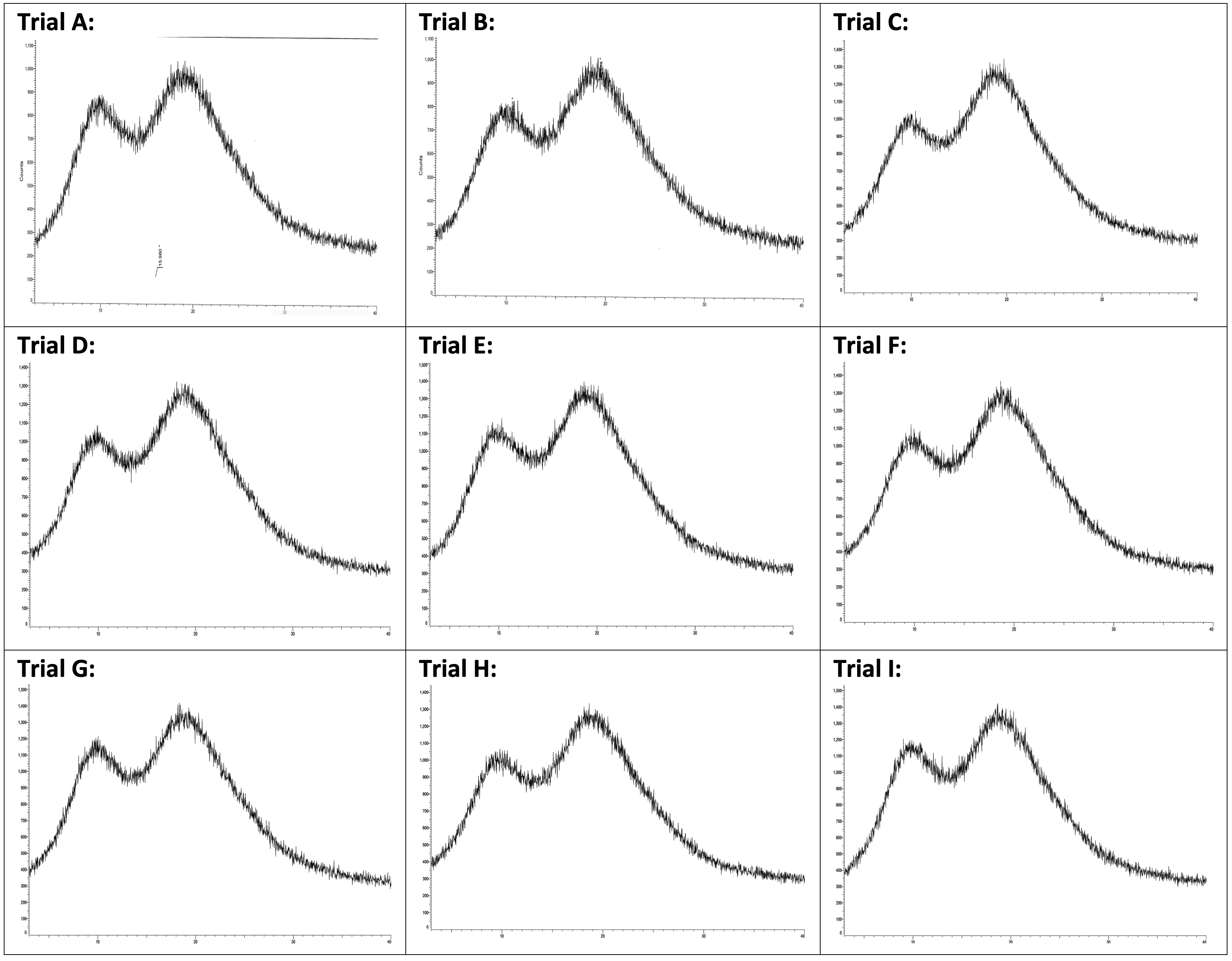
XRPD analysis provided definitive confirmation of the predictive development strategy. Pure itraconazole exhibited characteristic sharp diffraction peaks consistent with its crystalline nature. Following incorporation into the HPMC-AS polymer matrix and spray drying under optimized conditions, these crystalline reflections were completely eliminated.
The resulting halo pattern confirmed successful formation of a fully amorphous solid dispersion, validating both the computational predictions and statistical optimization strategy.
Notably, the optimized ASD remained free of detectable crystalline reflections, demonstrating the effectiveness of the thermodynamic-guided selection process and establishing a direct link between predictive modelling and experimental performance.
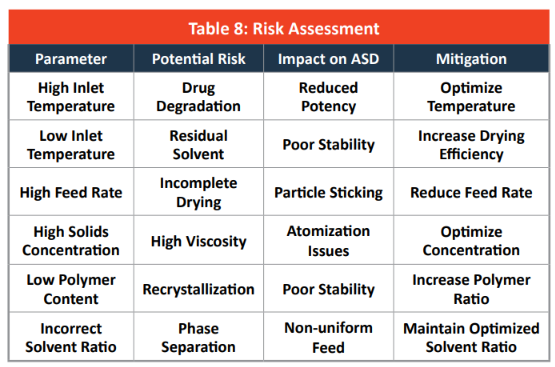
This qualitative risk assessment supports the QbD approach by identifying process variables with the highest potential impact on product quality and highlighting appropriate control strategies during formulation development.
This work represents more than the successful development of an Itraconazole amorphous solid dispersion—it demonstrates the successful implementation of a novel predictive development platform created by Piramal Pharma Solutions.
By integrating molecular compatibility assessment, thermodynamic modeling, computational prediction, rapid experimental validation, and Design of Experiments into a single decision-making framework, the platform enables formulation development to be guided by scientific understanding rather than empirical iteration.
The approach substantially reduces experimental screening, accelerates formulation development timelines, and increases confidence in selecting physically stable, manufacturable amorphous solid dispersions.
Although demonstrated using Itraconazole as a model compound, this predictive framework is broadly applicable across poorly water-soluble drug candidates, offering a scalable methodology that supports faster development, reduced technical risk, and improved probability of firstpass success.
This achievement reflects Piramal Pharma Solutions' commitment to advancing pharmaceutical formulation science through innovation, scientific rigor, and QbD principles, establishing a differentiated approach to nextgeneration ASD development.
Further Reading
Amorphous Solid Dispersions (ASDs): The Influence of Material Properties, Manufacturing Processes and Analytical Technologies in Drug Product Development
The Use of Solubility Parameters in Pharmaceutical Dosage Form Design
Thermal Stability of Amorphous Solid Dispersions
Amorphous Solid Dispersions: Role of the Polymer and Its Importance in Physical Stability and In Vitro Performance
For more information contact:
Yogesh Joshi
Associate Director, FD
Piramal Pharma Solutions, Ahmedabad
yogesh.Joshi@piramal.com
Prabhat Shrivastav
Associate Director, FD
Piramal Pharma Solutions, Ahmedabad
rabhat.shrivastava2@piramal.com
Vishwanath Nande
Senior Director and Site Head
Piramal Pharma Solutions, Ahmedabad
vishwanath.nande@piramal.com
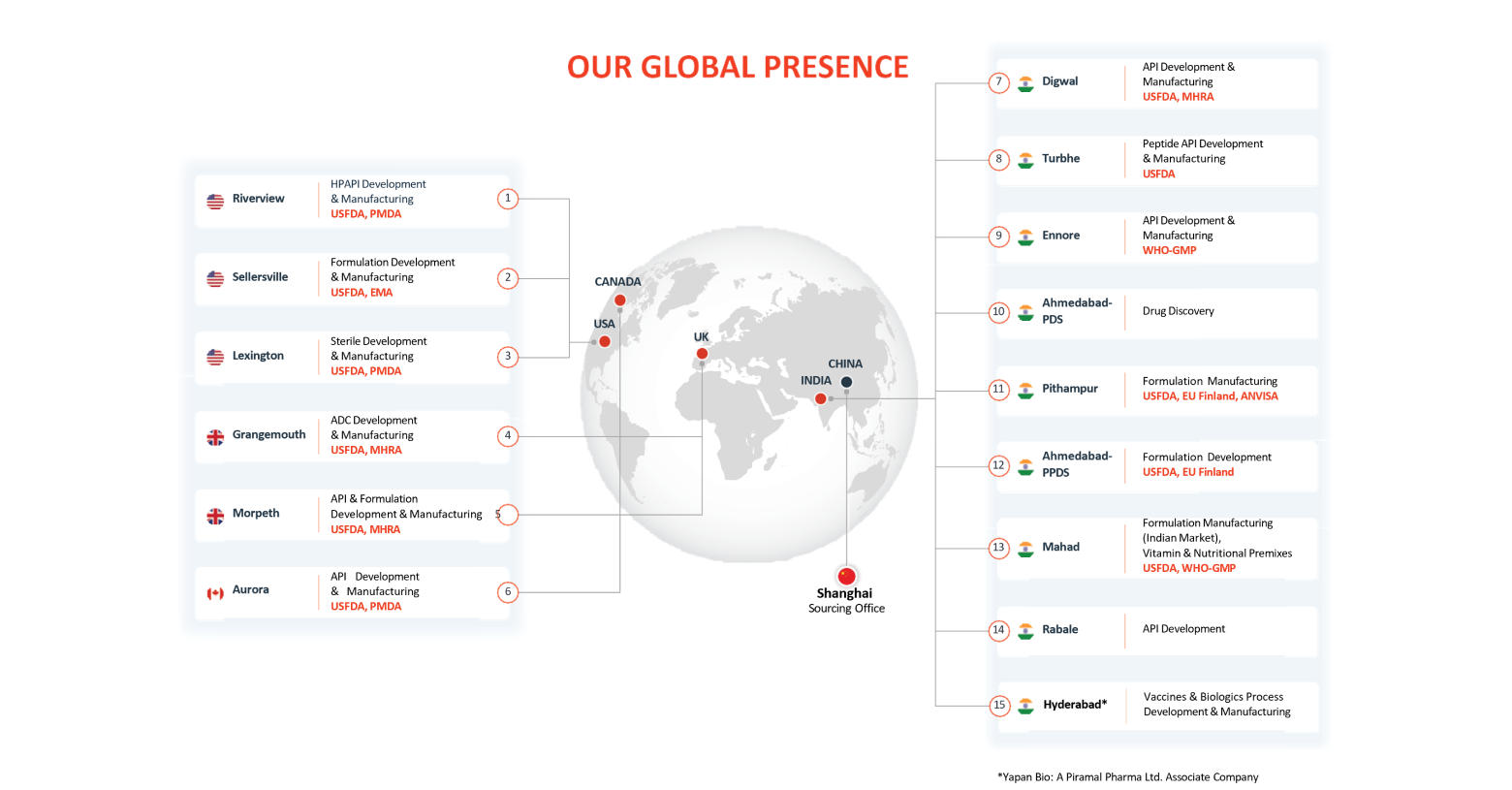
Piramal Pharma Solutions (PPS) is a Contract Development and Manufacturing Organization (CDMO) offering end-to-end development and manufacturing solutions across the drug life cycle. We serve our customers through a globally integrated network of facilities in North America, Europe, and Asia. This enables us to offer a comprehensive range of services including drug discovery solutions, process and pharmaceutical development services, clinical trial supplies, commercial supply of APIs, and finished dosage forms. We also offer specialized services such as the development and manufacture of highly potent APIs, antibody-drug conjugations, sterile fill/ finish, peptide products and services, and potent solid oral drug products. PPS also offers development and manufacturing services for biologics including vaccines and gene therapies, made possible through Piramal Pharma Limited's associate company, Yapan Bio Private Limited.