

.png "oral liquid formulation image")
Oral liquid formulations are an essential drug delivery format. Easy to swallow, with a fast onset of action and high dosing flexibility, the formulations are widely used and particularly important to pediatric and geriatric populations.
However, the formulations pose challenges that are distinct from the issues companies encounter when working with other dosage forms. Developers and manufacturers need specific expertise and capabilities to overcome the challenges and reliably produce consistent, high-quality oral liquid formulations.
In this paper, Piramal Pharma Solutions shares how our experience of developing and manufacturing oral liquid formulations has informed an eight-step process for overcoming the complexities of the format. By following this process, Piramal creates oral liquid formulations that enhance stability, bioavailability, and patient compliance.
Many active pharmaceutical ingredients (APIs) are poorly soluble in water. Solubility, in-vivo for suspensions and in-vivo and in-vehicle for solutions, is key to oral liquid formulations because the API must be put into a vehicle and made bioavailable. Low solubility makes it hard to create stable, bioavailable liquid formulations and can negatively affect absorption, efficacy, and patient outcomes.
When an API is poorly soluble in water, excipients such as solubility enhancers and surfactants can help to overcome the problem. Other options include nano-emulsions, which break up particles to speed up dissolution, and self-emulsifying delivery systems that enhance bioavailability. In-vitro dissolution studies show the effect of the solubility solutions and help identify which formulations to take into the clinic.
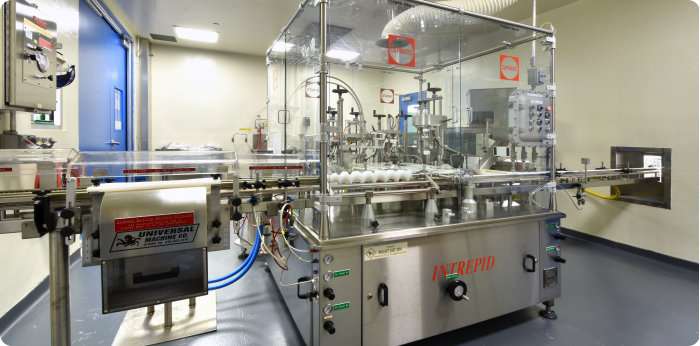
Liquid oral formulations face two types of stability issues. First, chemical and physical stability needs to be managed. Hydrolysis, oxidation, or interactions with excipients can degrade APIs. Sedimentation and phase separation can affect suspensions and emulsions.
The second set of stability issues relates to microbial contamination. Microbes accumulate faster in water than in solid oral dosage forms, making liquid formulations particularly susceptible to microbial growth that can shorten product shelf-life due to microbial contamination.
Changes to the formula can solve stability issues. Excipients, preservatives, and antioxidants can improve stability, for example, by chelating metal contamination and creating an environment that suppresses microbial growth. It is crucial to combine those solutions with rigorous formulation stability testing that assesses the effect of different storage conditions over the targeted shelf life of the product.
Packaging choices affect stability, too. Moisture barriers and light-resistant containers can protect formulations from environmental factors. Companies need to know what factors drive degradation and the conditions a product will face to make informed choices. For example, the value of a moisture barrier cap depends on the sensitivity of the formulation and the humidity in the countries where it will be sold.
Switching to unit-dose systems can mitigate many stability concerns. Drugs packed in such systems are only directly exposed to the environment just before they are used, limiting the risk of API degradation stimulated by environmental conditions.
Many APIs have a bitter or unpleasant taste. The taste can make people, particularly pediatric or geriatric patients, less likely to comply with the instructions for taking the medicine. If a patient skips doses or stops taking the product altogether, the treatment will have a suboptimal effect on the product's efficacy and the patient's health.
Hundreds of different sweeteners and flavorings, including natural and synthetic options, are available to mask the taste of APIs. The other option is to use advanced coating or encapsulation technologies that prevent the API from acting on taste buds.
Choosing the best option for a product entails assessing the effect of a taste masking solution on stability and efficacy and understanding the preferences of the targeted patient population. Taste changes as people age, meaning a solution that works for children may not be accepted by seniors.
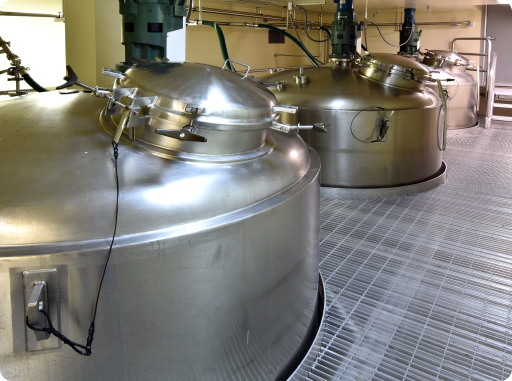
Finding the right balance of viscosity is crucial for oral liquid formulations. A formulation that is too thick may be difficult to swallow, creating compliance issues. A formulation that is too thin may lead to dosing inaccuracies, especially in pediatric populations, and can lead to product separation as ingredients fall out of the solution.
Viscosity-modifying agents such as gums, polymers, and sugars are available to help companies hit their target profile. Whether using xanthan gum, polyethylene glycol, or another agent, it is important to test viscosity and assess the effect of the excipients on other product attributes. The drug release profile, product stability, and patient acceptability all need to be evaluated.
Excipients used to mask taste, alter viscosity, and improve stability can have unintended consequences. Some excipients can interact with the API, leading to degradation or altered pharmacokinetics. Excipient compatibility studies and pre-formulation research can identify the combination that provides stability, bioavailability, and patient acceptability.
Compatibility studies for solid oral dosage studies typically just combine the API with an excipient. That approach works for oral liquid formulations, too, but companies can also choose to add water to the mix. The addition of water allows researchers to replicate the conditions in which the API and excipient will interact in the liquid formulation.
Running forced degradation stability tests on an API and each excipient allows companies to identify any compatibility issues. When an issue arises, teams need to look for another excipient that can provide the desired function without accelerating the degradation of the API. In many cases, hundreds of similar excipients are available, meaning there is no need to use ingredients that compromise shelf life.
Achieving consistent dose delivery across the shelf life of a liquid suspension can be challenging. The suspension can separate over time, necessitating an instruction on the label for the patient to shake the container before use. Patients may forget to shake the container, though, making it preferable to create a formulation that stays in suspension throughout its shelf life. Suspensions with re-dispersion properties and unit-dose packaging are among the options available to companies.
For other products, dose uniformity is affected by components such as cups that patients use to measure and take the medicine. Regulators may treat the component as a medical device. Analytical labs evaluate that dose uniformity is achieved using the components per the label.
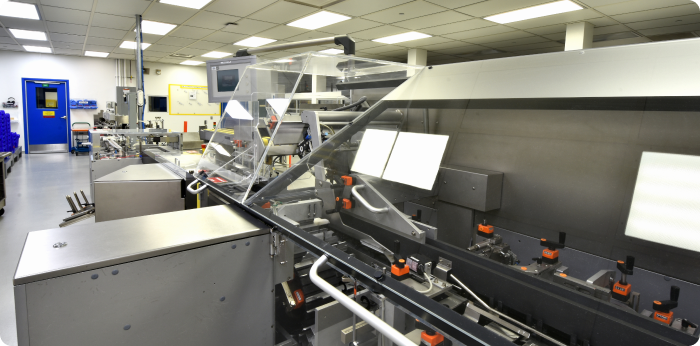
Companies must consider compatibility between the packaging material and the drug product to avoid leaching or drug absorption. Anything that leaches from the packaging is a potential threat to patient safety. The threat can evolve as the leached material breaks down over time.
Evaluations of leaching and drug absorption need to consider all of a product's packaging configurations. Products dispensed at pharmacies may be kept in bulk bottles and dispensed into smaller containers for each patient. Bulk bottles and patient-level containers can each cause leaching and drug absorption and must be evaluated during development.
Transitioning from small-scale lab production to large-scale manufacturing of oral liquids is complex. At each step in the process, companies need to use equipment that essentially matches equipment used at every other scale. The need for reproducibility in mixing and homogenization processes can present technical issues.
The API must be distributed throughout the liquid in the same way at each scale and in each batch to ensure the right amount of the active ingredient is in each bottle. Consistency is key to optimal health outcomes. Companies can confirm they are achieving consistency by performing beginning, middle, and end tests at their filling operations.
Expertise in tech transfer and process validation is needed to ensure that product quality is maintained at commercial scale. The manufacturing process must be developed to be scalable with quality control systems in mind.
The eight steps show what companies need to consider when working on oral liquid formulations. To put the ideas into practice, organizations need deep, specialized expertise in the science of oral liquids and integrated capabilities that span drug development and manufacturing.
Piramal meets each of the criteria. Companies that work with Piramal get access to its Science Collective, a group of experts with a proven track record of solving the challenges faced by developers of oral liquid formulations. The Science Collective empowers companies to make data-driven decisions that overcome the complexities of oral liquid formulations.
At Piramal, the experts are part of an organization with broad, integrated capabilities. Piramal sites can handle production of API and finished products at every scale from early development to commercial. Because the plants are all part of the same network, Piramal can quickly and efficiently transfer processes as projects scale up or if companies want to relocate production to another part of the world.
Responsibility for realizing the benefits rests on integrated program managers who oversee every detail of a project. With one manager guiding each program, Piramal ensures seamless transfers and maximizes the impact of its integrated capabilities.
The program managers are guided by a focus on the needs of clients and an unwavering commitment to patient-centricity. Oral liquid formulations are aligned with that commitment. Throughout the formulation development process, there are opportunities to make decisions that result in better medicines. For example, masking the taste of APIs can create more palatable products for patients.
Companies that work with experts to make the right decisions throughout development and production will be rewarded with stable, bioavailable oral liquid formulations that are precisely tailored to the needs of the targeted patient population.
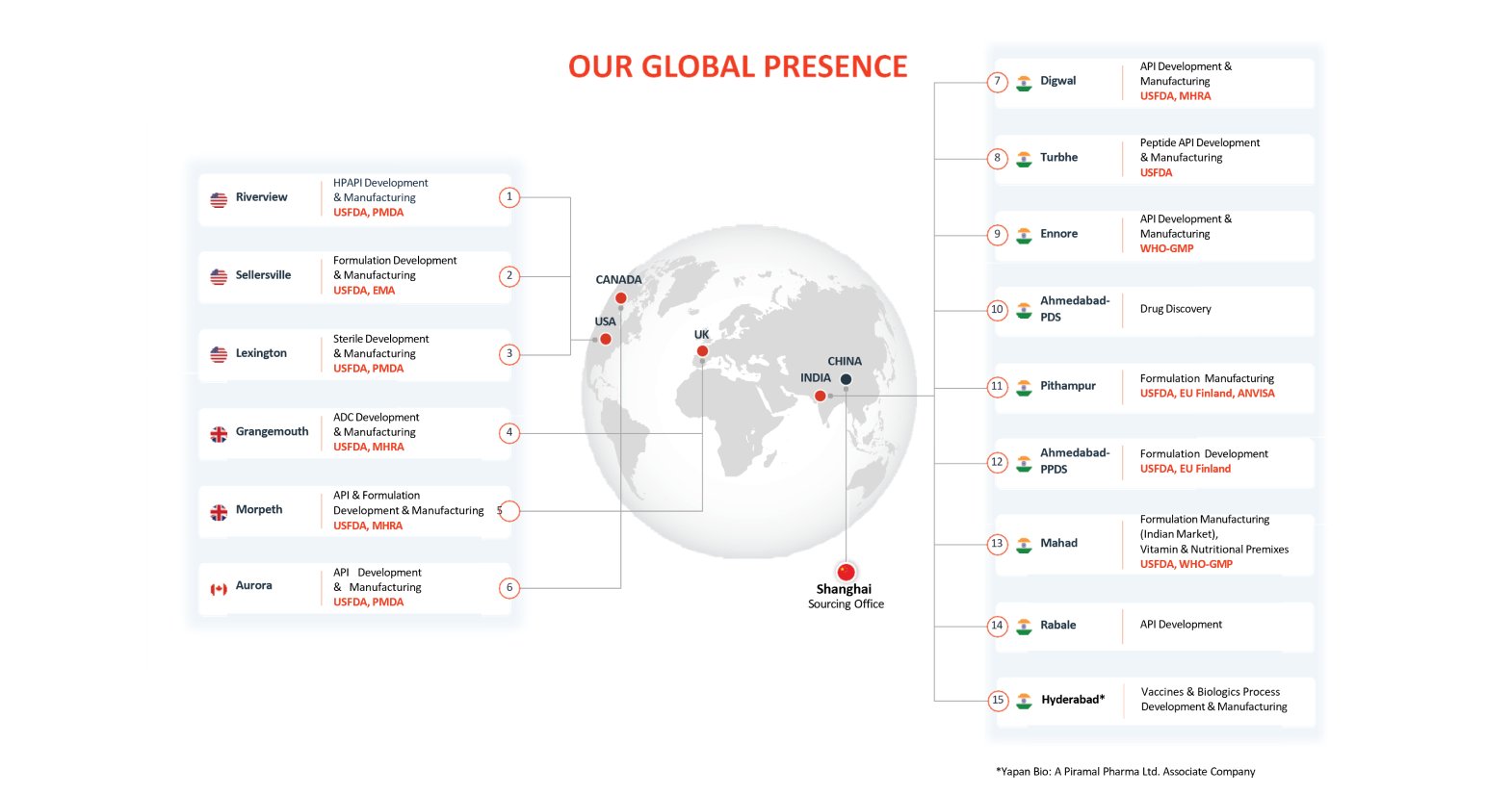
Piramal Pharma Solutions (PPS) is a Contract Development and Manufacturing Organization (CDMO) offering end-to-end development and manufacturing solutions across the drug life cycle. We serve our customers through a globally integrated network of facilities in North America, Europe, and Asia. This enables us to offer a comprehensive range of services including drug discovery solutions, process and pharmaceutical development services, clinical trial supplies, commercial supply of APIs, and finished dosage forms. We also offer specialized services such as the development and manufacture of highly potent APIs, antibody-drug conjugations, sterile fill/finish, peptide products and services, and potent solid oral drug products. PPS also offers development and manufacturing services for biologics including vaccines and gene therapies, made possible through Piramal Pharma Limited's associate company, Yapan Bio Private Limited.