



.webp)
Chromatography is one of the most widely used analytical techniques in pharmaceutical development. From identifying impurities to establishing the identity and purity of compounds, chromatography helps scientists make informed decisions throughout the drug development process.
Aug 03, 2026
.webp)
The growing use of targeted therapies in oncology and other therapeutic areas has increased demand for highly potent active pharmaceutical ingredient (HPAPI) manufacturing.
Jul 28, 2026
.webp)
Biologic therapies are reshaping treatments in oncology, immunology, rare diseases, and other complex conditions. As these therapies advance, pharmaceutical companies increasingly seek integrated partners to support development from early drug discovery through commercial-scale manufacturing.
Jul 23, 2026
.webp)
Bringing a new therapy from discovery to the clinic requires far more than identifying a promising molecule. Success depends on establishing a scalable, reproducible, and regulatory-ready development strategy that supports long-term manufacturing and commercialization goals.
Jul 07, 2026
-1.webp)
Antibody-drug conjugates (ADCs) combine antibody targeting with highly potent drug payloads, offering a revolutionary approach to cancer treatment.
Jul 01, 2026
.webp)
The pharmaceutical industry depends on reliable access to high quality starting materials. These critical building blocks form the foundation of active pharmaceutical ingredients (APIs) and play an important role in product quality, regulatory compliance, and supply chain stability.
Jun 29, 2026
.png)
As therapies become more complex, pharmaceutical companies increasingly need manufacturing partners with the right expertise, infrastructure, and flexibility.
Jun 24, 2026
.webp)
Cyclic peptides are gaining serious attention in drug development thanks to their ability to combine small molecule-like stability with antibody-like specificity. They can bind targets with high affinity and, in some cases, even offer oral delivery potential.
Jun 03, 2026
.webp)
Biocatalysis is increasingly shaping how modern pharmaceuticals are developed and manufactured. By using enzymes or whole cells as catalysts, this approach enables highly selective chemical transformations under mild, environmentally friendly conditions.
May 29, 2026
.webp)
Extractables and leachables (E&L) are a critical but often overlooked class of impurities in pharmaceutical development. These compounds can migrate into drug products from packaging systems, manufacturing components, or delivery devices, potentially impacting drug product quality, stability, and most importantly, patient safety.
May 27, 2026
.webp)
As the cost and complexity of drug development continue to rise, pharmaceutical companies are under increasing pressure to maximize the return on their R&D investments. Longer development timelines, evolving regulatory expectations, and more complex modalities all contribute to higher risk and resource demands.
May 25, 2026
.png)
The increasing focus on targeted therapies has driven significant growth in HPAPI manufacturing. These compounds are designed to be highly active at very low doses, making them powerful therapeutic tools in areas like oncology, but also introducing substantial complexity in handling and production.
May 21, 2026
.webp)
Developing effective oral solid dosage products remains a cornerstone of pharmaceutical innovation. From tablets to capsules, solid oral dosage forms remain the most widely used delivery format due to their stability, convenience, and patient compliance.
May 14, 2026
.webp)
The evolution of targeted therapies has positioned antibody-drug conjugates (ADCs) among the most promising modalities in modern oncology. By combining the targeting precision of biologics with the cell-killing power of cytotoxic drugs, ADCs offer a more focused approach to cancer treatment.
May 12, 2026
.webp)
In pharmaceutical development, confidence in data is everything. Whether supporting early-stage research or regulatory submissions, analytical methods must consistently deliver accurate and reproducible results. That's where method validation parameters come into play.
May 06, 2026
.webp)
Antibody-drug conjugates (ADCs) have rapidly become a cornerstone of modern oncology, driven by significant advances in payload-linker technologies. While early ADC programs struggled with stability and manufacturing complexity, recent innovation has drastically improved their clinical viability.
Apr 02, 2026
.webp)
The development of a new therapy involves multiple stages, from discovery through commercialization. At the center of this process is drug substance manufacturing, where the active pharmaceutical ingredient (API) is produced and refined. Since this stage determines the quality, purity, and scalability of the final therapy, selecting the right development partner can significantly influence project success.
Apr 02, 2026
.webp)
Low aqueous solubility remains one of the most persistent obstacles in modern drug development programs. Industry studies estimate that roughly 40% of approved drugs and up to 90% of pipeline candidates exhibit poor water solubility. For many compounds, improving solubility is essential to achieving adequate bioavailability and enabling successful clinical and commercial development.
Mar 30, 2026
.webp)
The pharmaceutical industry develops therapies using a variety of molecular approaches. Two of the most prominent categories are small molecule drugs and biologics, each offering unique advantages depending on the disease target and treatment strategy.
Mar 27, 2026
.webp)
Cryogenic chemistry plays a critical role in the synthesis of many active pharmaceutical ingredients (APIs). By operating at very low temperatures (typically between -20°C and -90°C), chemists can reduce impurities, improve selectivity, and enhance safety for highly reactive transformations. These advantages make cryogenic reactions a powerful enabler in drug development.
Mar 27, 2026
.webp)
Highly potent active pharmaceutical ingredients (HPAPIs) continue to represent one of the fastest-growing segments of the pharmaceutical industry, driven largely by an increasing focus on targeted therapeutics like antibody-drug conjugates (ADCs).
Mar 25, 2026
.webp)
Oxidation reactions play a central role in chemical synthesis, enabling medicinal chemists to functionalize molecules while controlling reactivity and selectivity. At manufacturing scale, however, oxidation chemistry presents safety and operational challenges that often push teams toward alternative transformations.
Mar 24, 2026
.webp)
Early-stage drug development is fast-moving and rarely predictable. As evidence evolves and priorities shift, sponsors need partners that can adapt quickly without compromising quality or timelines. In a recent case study, we illustrated how integrated drug development and manufacturing operations can provide the flexibility required to keep early programs moving forward, even when unexpected challenges arise.
Mar 24, 2026
.webp)
While crystallization is often preferred for large-scale purification, chromatography continues to play a critical role across pharmaceutical development. Its speed, resolving power, and adaptability make it an indispensable technique – whether used early in development, as a temporary solution, or as a fallback when other purification methods fail.
Mar 23, 2026
.webp)
Bringing a new therapy from discovery to patients requires more than identifying a promising molecule. It involves a complex, multi-stage journey that draws on diverse scientific disciplines to address numerous challenges along the way. Successful medicines depend on careful drug formulation, ensuring the active ingredient is delivered safely and effectively.
Mar 23, 2026
.webp)
In the pharmaceutical industry, maintaining consistent product quality and safety is essential. This is why cGMP, or current Good Manufacturing Practice, plays such a central role in pharmaceutical manufacturing.
Mar 20, 2026
.webp)
As biologically derived therapies continue to expand across the pharmaceutical industry, understanding the distinction between peptides and proteins has become increasingly important. While both are composed of amino acids, their size, structure, and manufacturing processes can differ significantly.
Mar 16, 2026
.webp)
Bringing a new therapy to market is a complex, multi-year process that requires scientific rigor, regulatory alignment, and strategic collaboration. From early integrated drug discovery efforts to commercial drug product manufacturing, each phase of development builds on the previous one. Understanding this journey helps pharmaceutical innovators make informed decisions, manage risk, and accelerate timelines with the right partner.
Mar 13, 2026
.webp)
In the pharmaceutical industry, maintaining safe and efficient manufacturing operations is paramount. Companies developing pharma APIs or biologics must ensure that every step of their operations — from lab research to full-scale production — minimizes risk to both patients and the planet. A comprehensive process safety assessment is an essential tool for achieving that.
Mar 09, 2026
-1.webp)
In pharmaceutical development, the terms drug substance and drug product represent two distinct and critical stages involved in bringing a therapy to market. Understanding the differences between them is essential for sponsors navigating small molecule API development, biologics programs, or specialized formats like sterile injectables. Each plays a unique role in the journey from laboratory discovery to patient delivery.
Mar 06, 2026
.webp)
As drug pipelines diversify and patient populations become more specialized, formulation R&D plays a critical role in bridging discovery and commercialization. Whether working on an orphan drug with tight development timelines or an advanced modality with complex manufacturing requirements, sponsors increasingly seek CDMO partners capable of delivering both speed and scientific rigor.
Mar 06, 2026
.webp)
In the modern pharmaceutical landscape, companies are expected to accelerate innovation while embracing environmentally responsible practices. Traditionally, sustainability considerations were addressed late in development, often resulting in costly redesigns and operational inefficiencies.
Mar 05, 2026
.webp)
The world of peptide drug API development is evolving rapidly, with peptide-based therapeutics increasingly critical in the treatment of complex diseases. Choosing the right approach to peptide API manufacturing can make all the difference in ensuring speed, efficiency, and quality in drug development. Whether your focus is discovery, preclinical studies, or commercial-scale production, understanding the available synthesis methods and selecting the right peptide API CDMO services are essential.
Feb 27, 2026
.webp)
The pharmaceutical API manufacturing market is entering a defining period of transformation. Rapid scientific innovation, increasing molecule complexity, and mounting regulatory expectations are reshaping how APIs are developed and produced worldwide. With all these changes, pharmaceutical companies must reevaluate sourcing strategies, digital capabilities, and long-term partnerships to stay competitive.
Feb 23, 2026
-1.webp)
Pharmaceutical manufacturing has become significantly more complex over the past decade. As pipelines shift toward highly potent molecules, specialized delivery formats, and accelerated development timelines, traditional in-house manufacturing models are under increasing strain. For many organizations, maintaining facilities that can support high potency APIs, sterile injectables manufacturing, and oral solid dosage manufacturing across clinical and commercial stages is no longer practical or strategic.
Feb 20, 2026
.webp)
In today's highly competitive pharmaceutical landscape, intellectual property (IP) is no longer just a legal safeguard – it's a core business strategy. For API manufacturers, IP considerations influence everything from early research decisions to long-term commercial viability. As drug pipelines become more complex and timelines more compressed, a well-defined IP strategy can be the difference between sustainable growth and costly setbacks.
Feb 16, 2026
.webp)
Across the pharmaceutical industry, digital connectivity is reshaping how therapies are developed, manufactured, and delivered. As pipelines grow more complex and timelines compress, companies are increasingly relying on CDMO pharma partners that can integrate data, systems, and workflows across development and manufacturing. Digitally connected operations are no longer a future ambition; they are becoming a prerequisite for efficient, resilient CDMO drug development.
Feb 09, 2026
.png)
Peptide-based therapeutics are increasingly critical in modern drug development. Positioned between small molecules and biologics, peptides offer strong target specificity, favorable safety profiles, and wide therapeutic potential. As more peptide candidates advance from discovery to clinical and commercial stages, the ability to develop and manufacture peptide APIs efficiently, at scale, and with consistent quality has become essential.
Feb 06, 2026
.webp)
Antibody-drug conjugates (ADCs) represent a cutting-edge approach to targeted therapy, uniting the precision of antibodies with the powerful effects of cytotoxic drugs. As these sophisticated molecules become increasingly important in oncology and other therapeutic fields, their development depends on advanced analytical expertise. ADC pharma programs are highly complex, requiring meticulous characterization, stringent quality control, and comprehensive bioanalytical services to ensure success.
Feb 03, 2026
.webp)
Speed, efficiency, and smart use of limited materials are constant pressures in early drug development. High-throughput experimentation (HTE) has emerged as a powerful way for drug developers to address these challenges by rapidly exploring reaction conditions and generating actionable data that supports downstream scale-up.
Jan 30, 2026
.webp)
Supply chain resilience has become both a competitive advantage and a responsibility in pharmaceutical manufacturing. Over the past two decades, China has grown into a dominant force in the global supply chain, accounting for a significant share of active pharmaceutical ingredient (API) intermediates and raw materials.
Jan 28, 2026
.png)
Peptides play a significant role in therapeutics, diagnostics, and research, making efficient, scalable production a key priority for biotech and pharmaceutical companies. Understanding how and why certain manufacturing methods dominate is essential for evaluating custom peptide synthesis services or peptide contract manufacturing. Among available techniques, Solid Phase Peptide Synthesis (SPPS) is the industry standard for modern peptide API manufacturing.
Jan 23, 2026
.webp)
Antibody-drug conjugates (ADCs) have rapidly evolved into a major oncology therapeutic modality, driven largely by advancements in bioconjugate chemistry and payload-linker design. While early ADC development faced setbacks, recent innovations have unlocked greater selectivity, safety, and clinical success. Today, payload-linker technologies play a defining role in differentiating ADC candidates within increasingly competitive pipelines.
Jan 22, 2026
.webp)
Oral liquid formulations are a vital drug delivery format, renowned for their ease of swallowing, rapid onset of action, and dosing flexibility. They are especially important for pediatric and geriatric populations, but present unique formulation challenges that require specialized expertise and integrated drug development capabilities.
Jan 21, 2026
.webp)
Clinical manufacturing is the production of drug substances and drug products under strictly controlled conditions for use in clinical trials. It ensures that experimental therapies meet rigorous quality, safety, and regulatory standards before they are tested in humans. Many pharmaceutical developers partner with a pharmaceutical CDMO to access specialized expertise, state-of-the-art facilities, and experience in the efficient and consistent production of clinical materials.
Jan 19, 2026
.webp)
Small molecule drugs are low-molecular-weight compounds that can readily enter cells to modulate biological processes. They form the foundation of many treatments across therapeutic areas, including cardiovascular and metabolic diseases, oncology, and infectious diseases. Their relatively simple structure, compared to that of biologics, allows for oral administration, easier formulation, and cost-effective production. Understanding small molecule development is critical for companies aiming to deliver effective therapies efficiently.
Jan 16, 2026
.webp)
Lyophilization, also known as freeze-drying, is a critical technology for improving the stability and shelf life of drug products, including biologics and other complex modalities. Many drug substances that demonstrate strong biological activity struggle to remain stable in solution long enough to meet the 24-month shelf life typically required for commercial viability. Lyophilization addresses this challenge by converting liquid formulations into dry, solid products that can be stored and transported under refrigerated conditions rather than frozen, reducing logistical complexity.
Jan 14, 2026
.webp)
Flow chemistry scale-up has become an increasingly important focus in modern drug development programs. Compared to traditional batch processing, flow chemistry offers advantages in speed, safety, process control, and sustainability. Although these benefits are well-documented, many organizations struggle to fully realize them. The challenge is often not adopting flow chemistry in the lab but scaling the process efficiently as molecules move toward clinical and commercial manufacturing.
Jan 13, 2026
.webp)
The pharmaceutical industry relies on dependable API manufacturing services to ensure that drug products reach patients safely and on time. Disruptions in the supply chain – whether from natural disasters, regulatory issues, or global crises – can delay production and impact patient care. Many companies address these risks by partnering with CDMOs that implement business continuity management (BCM) strategies to ensure supply from development through commercialization.
Jan 12, 2026
.png)
In vitro biology plays a pivotal role in modern research, providing a controlled environment for studying cellular, molecular, and developmental processes outside living organisms. From drug discovery & preclinical testing to plant studies in in vitro cellular & developmental biology, this approach allows scientists to generate reliable, reproducible data while minimizing reliance on animal models.
Jan 09, 2026
.webp)
Bioconjugates are hybrid molecules that combine a biologic, such as an antibody, with a small molecule payload to create targeted therapies. These constructs, including antibody-drug conjugates (ADCs), leverage the specificity of biologics and the potency of small molecules, enabling more precise treatment of complex diseases like cancer. Developing these molecules requires advanced bioconjugate chemistry and expertise in both biologic and small molecule drug development.
Jan 05, 2026
.webp)
Modern drug discovery and drug development are becoming increasingly complex, requiring precise measurement, analysis, and interpretation of biological data at every stage. Bioanalytical services provide the tools, expertise, and infrastructure to generate accurate, reproducible results that guide critical decisions in drug development solutions and integrated drug discovery programs.
Dec 26, 2025
.webp)
Antibody-drug conjugates (ADCs) have emerged as one of the most transformative modalities in oncology, combining the precision of targeted biologics with the potency of cytotoxic drugs. As the demand for safer, more effective cancer therapies accelerates, ADC pharma is experiencing rapid growth – driven by scientific advances, new therapeutic applications, and increasingly sophisticated development strategies.
Dec 23, 2025
.webp)
Active Pharmaceutical Ingredients (APIs) are the foundation of every medicine, making API manufacturing a critical part of drug development. As specialized technologies like biologics and high potency APIs (HPAPIs) increase the complexity of pipelines, pharma companies need reliable, expert partners to deliver safe, scalable, and compliant production.
Dec 19, 2025
.png)
As drug development becomes more complex, the pharmaceutical industry increasingly relies on specialized partners to keep programs moving efficiently. This shift has elevated the role of CDMO pharma, the contract development and manufacturing organization (CDMO) sector that supports innovators throughout the drug pipeline.
Dec 15, 2025
.webp)
Sterile injectables are an essential component of pharmaceutical development and manufacturing, used to create vital therapies like vaccines, biologics, and high-potency drugs. Their safe and reliable production requires precise manufacturing, rigorous quality control, and specialized expertise.
Dec 12, 2025
.png)
Cancer treatment has evolved dramatically in recent decades, with targeted therapies offering improved efficacy and fewer side effects. Among these innovations, antibody-drug conjugates (ADCs) stand out for their ability to deliver potent cytotoxic drugs directly to cancer cells, minimizing impact on healthy tissues.
Dec 08, 2025
.png)
In the dynamic pharmaceutical industry, integrated drug development services are crucial for delivering innovative therapies efficiently and effectively. At Piramal, we leverage our integrated network of 15 global facilities to offer comprehensive solutions from drug discovery and development to commercial manufacturing.
Dec 05, 2025
.png)
In the fast-paced pharmaceutical industry, Contract Development and Manufacturing Organizations (CDMOs) play an essential role in bringing therapies from concept to market. Understanding the types of CDMOs and their capabilities helps developers choose the right partner for each stage of drug development, whether it';s early-stage research, clinical production, or full-scale commercialization.
Dec 03, 2025
Rare diseases, which affect fewer than or equal to 1 in 2,000 people, often suffer from a lack of treatment options. The limited patient population and the complexities associated with these conditions make them less attractive for pharmaceutical companies, leading to significant unmet medical needs.
Dec 01, 2025
.webp)
Active Pharmaceutical Ingredients (APIs) are the core components of any medicine, playing a fundamental role in pharmaceutical innovation. Understanding the different types of APIs is critical for drug developers, as each class presents unique challenges, opportunities, and manufacturing requirements.
Nov 28, 2025
.png)
The drug manufacturing process ensures safe, effective, and accessible medicines for patients worldwide. Without a robust manufacturing framework, the potential benefits of new treatments could remain undetected.
Nov 26, 2025
.png)
Good Manufacturing Practice (GMP) is the foundation of quality in the pharmaceutical industry. It ensures that biopharmaceutical products are consistently produced and controlled according to the highest quality standards, minimizing risks such as contamination, deviations, or mix-ups during production.
Nov 24, 2025
.webp)
In the complex journey from molecule to medicine, process development serves as the critical bridge between scientific discovery and full-scale manufacturing. It transforms laboratory methods into scalable, reproducible, and compliant processes, ensuring that every batch of drug product meets the highest standards of quality, safety, and efficacy.
Nov 20, 2025
.png)
In the pharmaceutical CDMO industry, precision and timing are everything. From discovery to commercialization, each stage of a program depends on seamless coordination among scientists, engineers, and regulatory experts. Behind that coordination is a critical function that often determines success or failure - project management.
Nov 17, 2025
.png)
For pharma innovators, bringing a new therapy to market requires more than scientific insight; it demands a strategic partnership with a CDMO that can support the full scope of development and manufacturing.
Nov 14, 2025
.png)
The development of high-potency active pharmaceutical ingredients (HPAPIs) and hormonal drugs represents one of the most demanding areas in modern pharmaceutical manufacturing.
Nov 05, 2025
.png)
In today's competitive pharmaceutical landscape, speed and precision are crucial for transforming promising concepts into viable drug candidates. Yet, the path from hit identification to optimized lead is often hindered by complex structure–activity relationship (SAR) studies, demanding synthesis requirements, and iterative cycles of testing and refinement.
Oct 31, 2025
.png)
Oral Solid Dosage (OSD) forms – such as tablets and capsules – remain the backbone of modern pharmaceuticals. They are stable, scalable, and preferred by patients for their convenience and ease of administration.
Oct 28, 2025
.png)
For decades, Contract Development and Manufacturing Organizations (CDMOs) have been valued primarily for their expertise in chemistry and processes, alongside specialized skills in scale-up, synthesis, and compliance. But as the pharmaceutical landscape becomes increasingly complex and patient-centered, the expectations placed on CDMOs are rapidly evolving.
Oct 24, 2025
.png)
In the race to bring new therapies to market, active pharmaceutical ingredient (API) development is often where timelines are made or lost. Efficient synthesis, scalability, and regulatory readiness all hinge on one critical step: identifying the most effective route of synthesis.
Oct 16, 2025
.png)
Antibody-Drug Conjugates (ADCs) have rapidly emerged as one of the most promising therapeutic classes in pharmaceuticals, particularly in oncology. By combining the targeting power of monoclonal antibodies (mAbs) with the potency of cytotoxic payloads, ADCs offer precision treatment options with reduced off-target effects.
Oct 13, 2025
.png)
Peptides are short chains of amino acids that play a natural role in many biological processes. In recent years, they have become an increasingly important class of therapeutics due to their specificity, versatility, and low toxicity. As a result, peptide APIs are now at the center of modern drug discovery and development.
Oct 01, 2025
.png)
Drug discovery and development involve multiple interconnected steps, including identifying promising candidates, developing formulations, conducting clinical research, seeking regulatory approvals, and scaling-up manufacturing.
Sep 26, 2025
-1.png)
Antibody-Drug Conjugates (ADCs) are rapidly gaining prominence in oncology and targeted therapeutics because they deliver highly potent drugs directly to diseased cells while minimizing collateral damage to healthy tissues.
Sep 22, 2025
-1.png)
Innovation has always been a vital component of the pharmaceutical industry. Today, drug discovery and development are entering a new phase, powered by advanced technologies, precision approaches, and global collaboration.
Sep 16, 2025
-1.png)
A Contract Development and Manufacturing Organization (CDMO) plays a pivotal role in the biologics manufacturing process. These organizations provide outsourced services to pharmaceutical and biotech companies, helping them develop and produce biologic drugs that treat various medical conditions.
Aug 19, 2025
.png)
Formulation development is the process that transforms scientific concepts into effective, market-ready drug products. It bridges the gap between a pharmaceutical idea and a tangible therapy that patients can use to treat or manage diseases.
Aug 12, 2025
.png)
In the drug manufacturing process, ensuring the safety, quality, and effectiveness of a pharmaceutical product is crucial. From the development of active pharmaceutical ingredients (APIs) to the manufacturing of a final drug product, the entire journey requires careful testing and validation.
Aug 08, 2025
.png)
The pharmaceutical supply chain is a complex network that encompasses the production and distribution of medications from manufacturers to end-users, including hospitals, pharmacies, and patients. This supply chain ensures that life-saving drugs are available at the right time and place, in the proper dosage and quality.
Aug 05, 2025
.png)
In drug development, two key partners are CDMOs and CROs. While their roles may overlap, CDMOs focus on drug formulation and manufacturing, while CROs specialize in research and clinical trial management. Understanding their differences is essential for navigating the drug development process.
Aug 01, 2025
-1.png)
High Potency Active Pharmaceutical Ingredients (HPAPIs) are vital in oncology, allowing the production of targeted cancer therapies. These compounds deliver effective treatment at low doses, making them essential for minimizing adverse effects while maximizing therapeutic impact.
Jul 30, 2025
.png)
Sterile injectables manufacturing is critical in delivering safe and effective parenteral drugs, especially as the demand for these products rises. Ensuring quality control and compliance is paramount, as these factors are essential in preventing contamination and ensuring drug stability.
Jul 25, 2025
.png)
At Piramal Pharma Solutions, our mission is to help our clients with their quest to reduce the burden of disease for patients worldwide. Every day, we commit ourselves to doing well and doing good, ensuring that patients are the primary beneficiaries of our efforts.
Jul 18, 2025
.png)
Antibody-drug conjugates (ADCs) represent a significant advancement in drug development, combining the targeting ability of antibodies with the cytotoxic potential of chemotherapy. These innovative therapies deliver potent drugs directly to cancer cells, minimizing damage to healthy tissues.
Jul 17, 2025

In the CDMO industry, 100% of projects encounter unforeseen challenges (risks), which can lead to increased costs, delays in meeting milestones, or changes in the scope of activity. Hence, risk management needs to be seen as a beacon that steers the course correction of projects. As a guiding light, risk management needs to be addressed and embraced throughout the life cycle of a project.

Proposals are a critical part of a business because they are the starting point in the business’s evolution from concept to reality. Without knowing how to prepare and write proposals, the business will never be able to get off the ground successfully. While this is true for many industries, it is particularly relevant for a contract development and manufacturing organization (CDMO) serving the biopharma market. A successful CDMO begins with the ability to deliver a winning proposal.

80% of NMEs in clinical developments are outsourced by small pharma companies every year out of the 13,500+ preclinical/clinical programs in 2020/21 in the pharmaceutical industry. This leads to an ever growing need to find, nurture and partner with the right contract development and manufacturing organization (CDMO). With a 9 to 12-month window to file an IND and similar aggressive timelines for other phases of clinical programs, that’s a lot to get done in a very short time!

The focus on customers and their needs is central to the success of any organization. Delivering a delightful customer experience is not only expected, it’s essential for any business that hopes to progress.

Operational Excellence (OE) is one of the key elements of organizational leadership and organizational intelligence. It focuses on delivering maximum value to customers and stakeholders. For a Contract Development and Manufacturing Organization (CDMO) operating in the pharmaceutical industry, the focal point of Operational Excellence essentially is serving patients and customers efficiently in aspects of Safety, Quality, Delivery and Cost.

Sustainability is a crucial element of today’s Supply Chain Management (SCM). When designing supply chain strategies, it is essential to keep in mind responsible business practices and the commitment to society for a cleaner, safer environment.

Most of you are probably aware of the well-documented case of The Piper Alpha oil platform disaster of 1988, where absence of adequate maintenance and risk assessment led to the loss of 167 lives. Another major industrial accident, the catastrophi...

Traditionally, most pharmaceutical companies have preferred to conduct on-site audits of their vendor partners. Seeing the partner’s facility in person and meeting the people who will be handling your product has be...

A CDMO plays a critical role in developing and finalizing the CMC section of your regulatory filing. An experienced and technically sound regulatory team at the CDMO is a valuable partner in ensuring a swift and seamless product approval by variou...

As drug development gets ever more competitive, complex and costly, innovator and generic pharma companies are increasingly choosing contract development and manufacturing organizations (CDMOs) to streamlin...
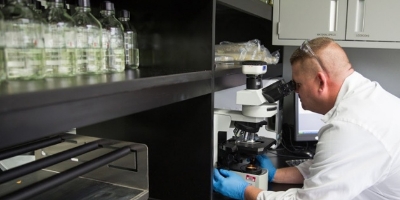
According to a report by the FDA (FY2010), the third most common reason for a 483 (violation) was because of inadequate content of investigations or not completing an investigation in a timely manner. One of the most common mistakes made by the write...
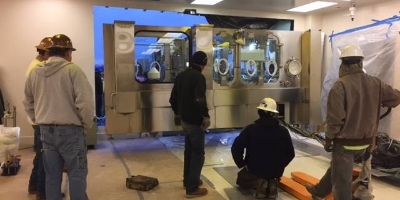
According to recent trends in the market, the global contract pharmaceutical manufacturing industry is increasing at an average annual rate of 7.5% and is predicted to reach $79.24 billion in revenue by the year 2019. The market research firm, Vision...
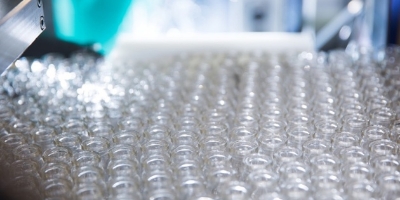
A goal of any pharmaceutical manufacturer is the pursuit of the most efficient equipment available. This equipment can increase output, reduce downtime, cut costs, and increase overall productivity while also adhering to strict cGMP requirements. The...

In Atlanta, Georgia, the Boys & Girls Club decided to do a Christmas experiment. 83% of the children that attend the B&G Club are low-income with some of the families not even being able to afford a Christmas tree. The children were asked what one th...
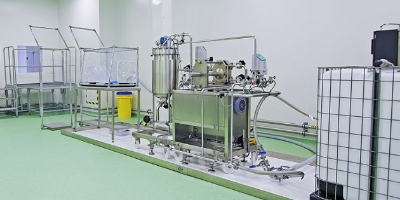
If you are a US-based company manufacturing in the US and you export your drug products in the EU, either by yourself or through a partner, you need to know EU requirements and you will face inspections based on those EU requirements.
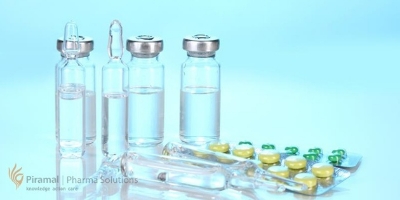
All too often the planning process for clinical supplies begins after the clinical program is set in stone and the clock is ticking. It is not uncommon to have less than 30 days from first discussions to having a requirement for supplies to be at cli...

Technical writing is not a new idea. Any type of communication written for and about industry and business with a focus on products and/or services is technical writing. Almost everyone within a company has written a form of technical document – from...

Cancer is a widely known disease involving abnormal and uncontrolled cell proliferation resulting in solid tumor development or blood cancer conditions. Therefore, when it comes to fighting cancer, the aim is to kill the cancerous cells and/or inhibi...

At Piramal Pharma Solutions customer satisfaction is of utmost importance and we strive to meet our customers’ needs in every way we can. Our main goal is to deliver quality products within scope while still keeping budgets and timelines under contro...